

JULY 2026


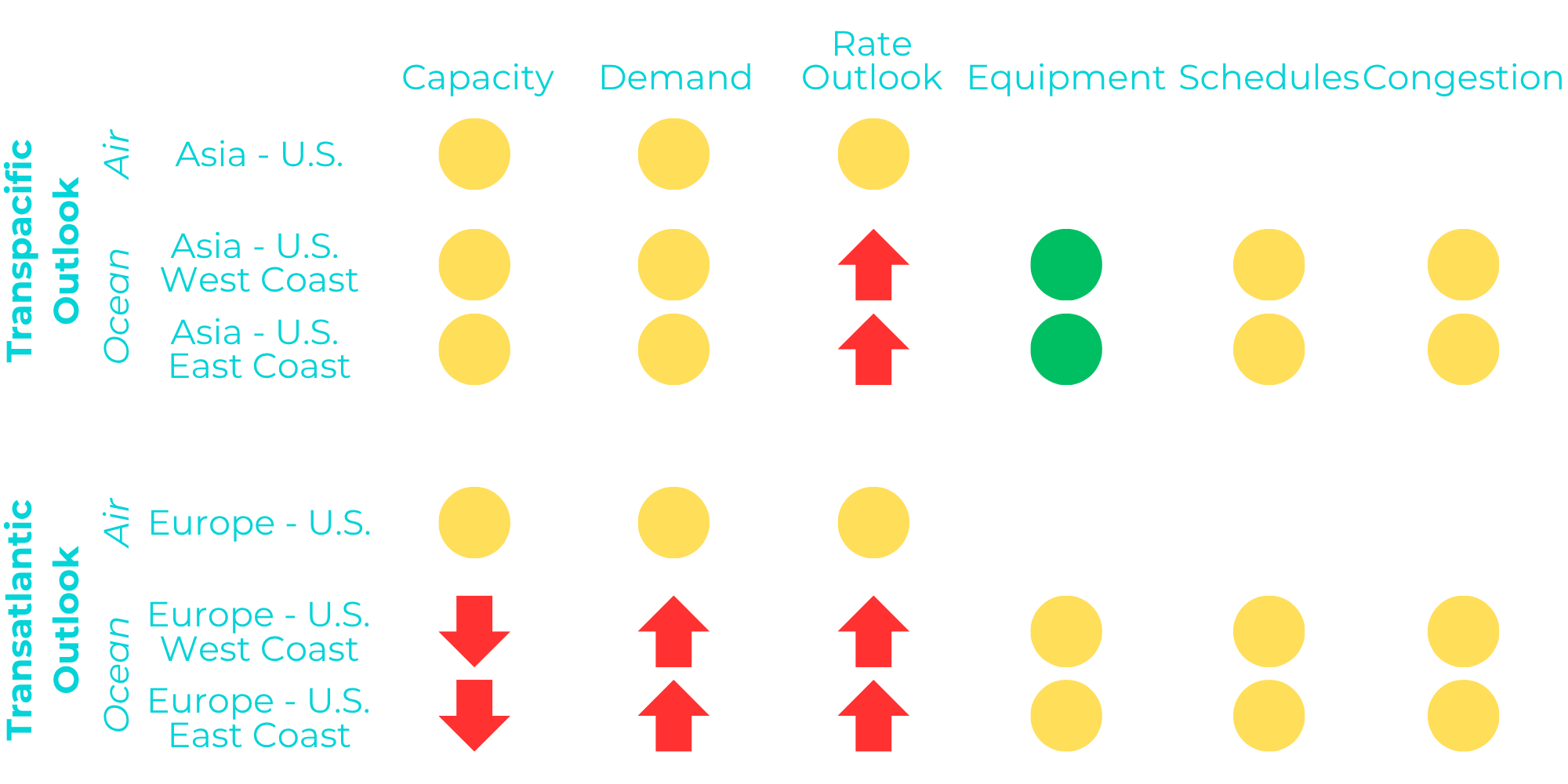
July was one of the most active months for global trade this year, shaped by escalating geopolitical tensions, sweeping tariff changes, and the start of Peak Season. The collapse of the U.S.-Iran ceasefire and continued instability surrounding the Strait of Hormuz drove higher fuel prices, increased transportation costs, and heightened uncertainty across global supply chains. At the same time, importers accelerated shipments ahead of multiple tariff deadlines, tightening vessel capacity, worsening port congestion, and placing additional strain on domestic trucking networks. With carriers implementing fuel, congestion, and war risk surcharges while global shipping routes remain fluid, businesses should continue preparing for elevated transportation costs and longer transit times through the coming months.

July also brought one of the busiest months for trade compliance in recent memory. Mandatory CPSC eFiling officially went into effect, requiring applicable importers to submit product certification data electronically before arrival in the U.S. The month also saw a new 25% Section 301 tariff imposed on Brazilian imports, the expiration of the Section 122 emergency tariffs, and the implementation of the new Forced Labor Import Prohibition (FLIP) Section 301 tariffs affecting approximately 60 global economies. Meanwhile, Customs continues emphasizing importer accountability through mandatory ACH refund enrollment in ACE, and additional guidance surrounding foreign importer requirements, powers of attorney, and importer verification is expected in the coming weeks. With several additional Section 301 investigations and trade actions still under consideration, importers should expect the regulatory landscape to remain highly dynamic throughout the remainder of the summer.
Stay connected with the latest from OCEANAIR. Sign up for our newsletter to receive The OCEANAIR Current, The Monthly Horizon, and OCEANAIR Tariff Talk — delivered straight to your inbox.