

AUGUST 2026

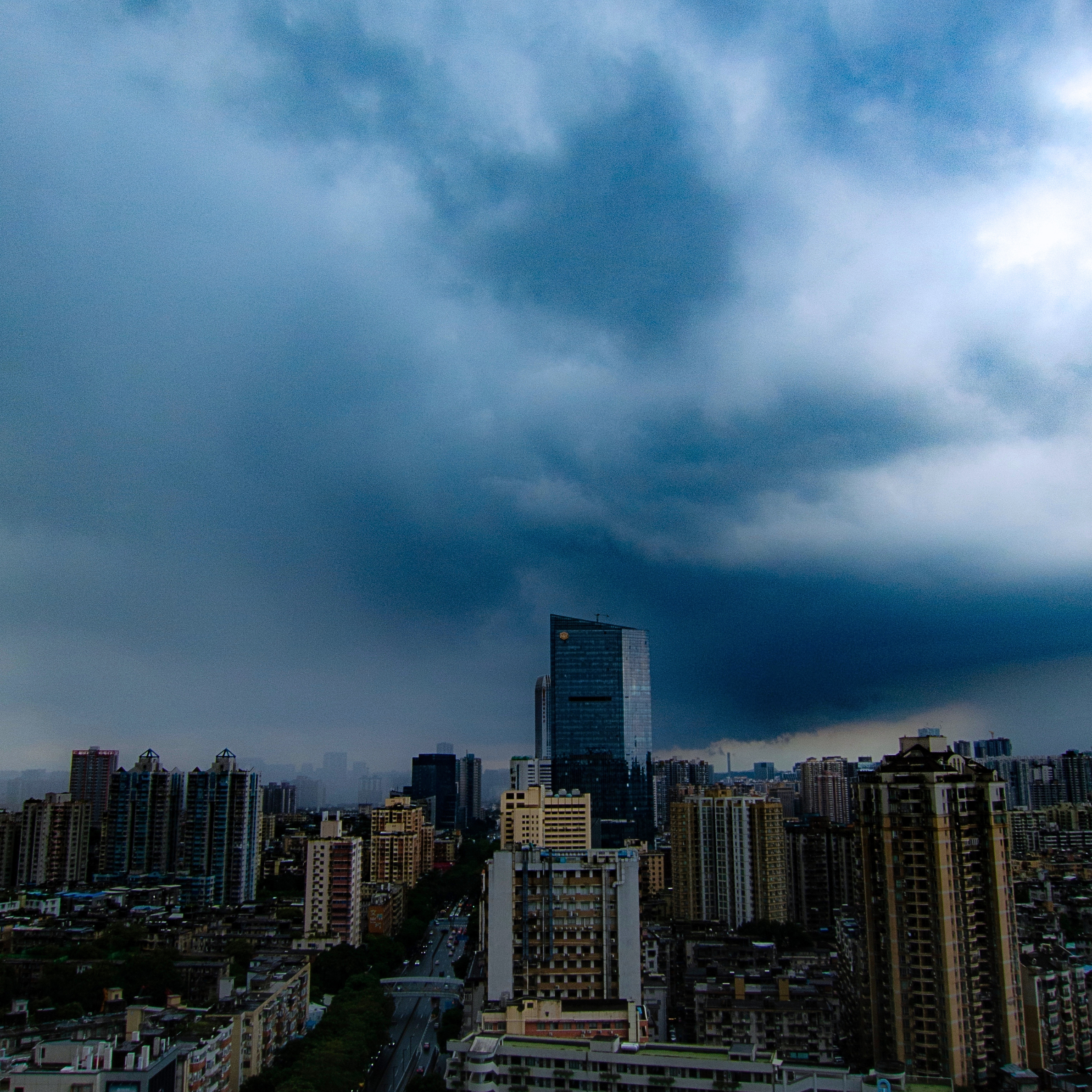
August brought widespread disruption across global shipping networks. In the Middle East, Strait of Hormuz traffic remained severely restricted, pushing cargo toward alternative gateways and contributing to import dwell times of more than 25 days in Navi Mumbai and 32 days in Mersin. Meanwhile, Suez Canal traffic reached its highest level in more than two years, with nearly 1,090 vessels transiting over a recent four-week period, although volumes remained about 41% below pre-crisis levels.
Ocean congestion intensified elsewhere, with more than 4.3 million TEUs of container capacity waiting to berth globally by late August—surpassing the nominal peak recorded during the COVID-era congestion of 2022. East Asia accounted for roughly half of the backlog as repeated typhoons disrupted Chinese ports, including a shutdown at Ningbo-Zhoushan and waits of up to 11 days around Shanghai. Additional pressure could emerge in September as reduced rainfall forces the Panama Canal to lower daily vessel transits.
Conditions improved somewhat in Europe, where Rhine River water levels recovered after critically low levels earlier in August forced some vessels to operate at only about 20% of normal capacity. While these higher water levels are allowing barges to carry more cargo again, freight costs remained nearly four times July levels, highlighting the lingering effects of a volatile month for global transportation.
August brought a steady stream of tariff and compliance changes as importers and brokers worked to keep pace with new requirements. Country-by-country Section 301 tariffs ranging from 10% to 12.5% took effect with varying exclusions, while new Section 232 pharmaceutical measures and CPSC e-filing requirements continued to take shape.
Canada was another major focus throughout the month. After a brief pause, a new 50% Section 338 tariff took effect August 22 on certain Canadian goods—the first use of Section 338 of the Tariff Act. CBP subsequently issued formal filing instructions establishing new Chapter 99 classifications and clarifying applicable exclusions.
Beyond tariffs, compliance enforcement remained front and center. CTPAT-validated customs brokers were reminded of upcoming requirements for foreign importers, including additional verification of identity, ownership, business affiliations, U.S. assets, ability to pay duties and taxes, HTS, valuation, and supply chain information. CTPAT-validated brokers will be the only brokers permitted to work with foreign importers once the new requirements take effect.
Stay connected with the latest from OCEANAIR. Sign up for our newsletter to receive The OCEANAIR Current, The Monthly Horizon, and OCEANAIR Tariff Talk — delivered straight to your inbox.