

FEBRUARY 17, 2025

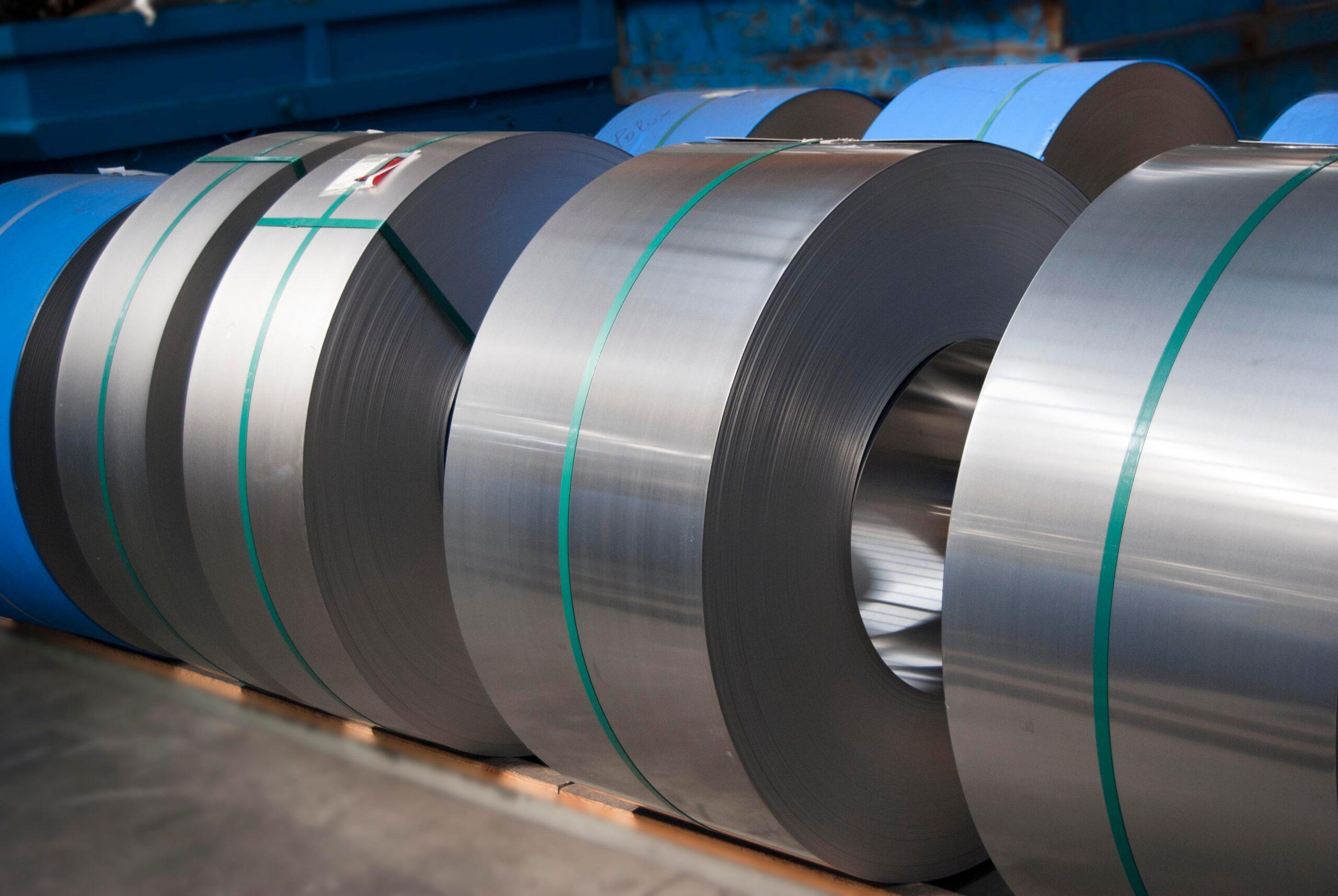
Details began to emerge this weekend regarding the Trump administration’s “new” tariffs on steel and aluminum, including the affected HTS numbers. While these tariffs are being presented as new, they are actually an expansion of the Section 232 tariffs first imposed in 2018 during the first Trump administration. These changes apply the tariffs more broadly across countries and expand the list of impacted items.
On March 12, 2025, a 25% tariff will apply to covered steel and steel articles from all countries, including those previously subject to exemptions, quotas, or alternative arrangements, with an expanded list of derivative articles. Meanwhile, the existing 10% Section 232 tariff on aluminum and aluminum articles will increase to 25%, with previous country-specific arrangements terminated and an expanded range of impacted HTS codes.
Section 232 of the Trade Expansion Act of 1962 (19 U.S.C. § 1862) authorizes the Secretary of Commerce to conduct investigations to determine whether imports of certain articles threaten to impair U.S. national security. Since returning to office, President Trump has reviewed findings from the Secretary of Commerce that steel and aluminum articles continue to be imported into the U.S. in quantities and under circumstances that threaten to impair national security. The Secretary of Commerce and U.S. Customs and Border Protection (CBP) are also tasked with monitoring steel and aluminum commodities not currently identified under the tariffs.
The proclamations cite concerns that imports of steel and aluminum could weaken domestic industries considered critical to infrastructure and national defense. The Secretary’s findings noted that the original Section 232 tariffs helped increase U.S. steel capacity utilization above 80%, but subsequent imports from countries with alternative arrangements increased, along with imports of derivative steel and aluminum products. The March 12 changes are intended to address these concerns, including transshipment and excess global steel and aluminum capacity.
Initially, the Section 232 tariffs focused on products such as flat-rolled steel, bars and rods, tubes, pipes, and ingots. The expanded list of HTS codes includes additional steel and steel derivative articles such as wire, cloth, netting, screws, bolts, cooking appliances, sinks, and parts of various machinery, including freight elevators, bulldozer blades, and agricultural equipment. It also covers certain metal furniture and parts of light fittings. The expanded aluminum list includes components of prefabricated buildings, kitchenware such as bakeware and cookware, mountings, fittings, and automatic door closers.
The proclamations also contain language allowing implementation of certain additional derivative tariffs to begin once adequate collection systems are in place. The orders state that these modifications will “be effective upon public notification by the Secretary of Commerce, that adequate systems are in place to fully, efficiently, and expediently process and collect tariff revenue for covered articles.” The proclamations also establish a process for potentially adding additional derivative articles in the future.
Key Details:
The revised Section 232 tariffs on covered steel and aluminum take effect on March 12, 2025.
The existing 25% tariff on covered steel and steel derivative articles will apply to countries previously subject to exemptions, quotas, or alternative arrangements.
The existing 10% tariff on covered aluminum and aluminum derivative articles will increase to 25%, with previous country-specific arrangements terminated.
Affected country arrangements include Argentina, Australia, Brazil, Canada, EU member states, Japan, Mexico, South Korea, Ukraine, and the United Kingdom for steel, with the applicable countries differing somewhat for aluminum.
Existing product exclusions will remain effective until their expiration date or until the excluded product volume is imported, whichever occurs first. The product exclusion request process has been terminated, and existing general approved exclusions will end March 12.
Additional derivative articles will be subject to tariffs, with a mechanism in place for future expansions.
Exceptions apply to certain derivative articles processed abroad from U.S.-sourced steel that was melted and poured in the U.S. or aluminum that was smelted and cast in the U.S.
The additional Section 232 duties are not eligible for duty drawback.
Link to steel order (with added HTS codes on final pages).
Link to aluminum order (with added HTS codes on final pages).
Stay connected with the latest from OCEANAIR. Sign up for our newsletter to receive The OCEANAIR Current, The Monthly Horizon, and OCEANAIR Tariff Talk — delivered straight to your inbox.