

MAY 7, 2026

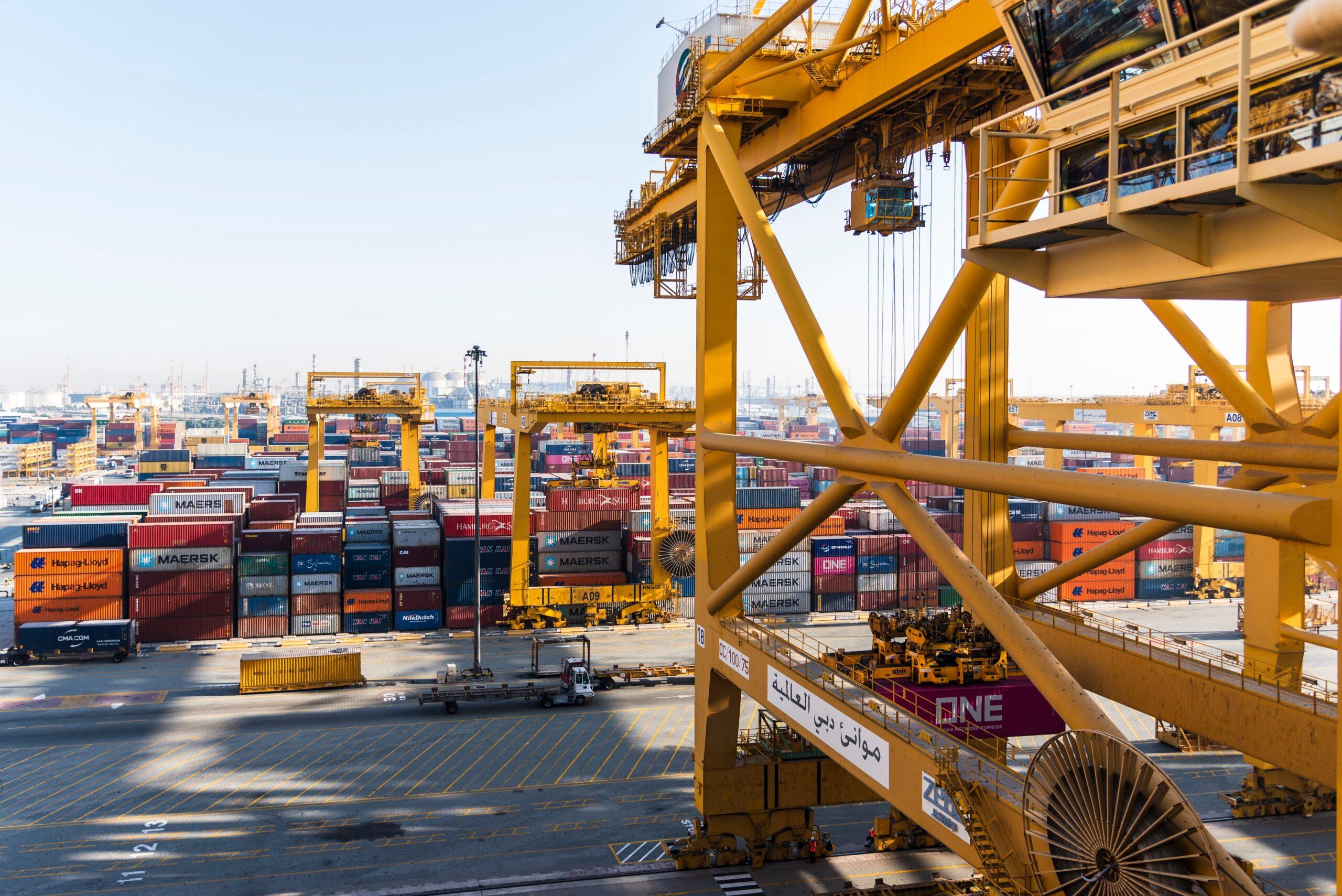
Global logistics markets continue to face elevated uncertainty as geopolitical tensions, trade policy reviews, and ongoing supply chain disruptions reshape transportation networks worldwide. In the Gulf region, industry concerns remain focused on the stability of critical trade routes following continued disruptions near the Strait of Hormuz, one of the world’s most strategically important maritime chokepoints. The situation has increased pressure on nearby UAE ports and forced many carriers and shippers to reassess routing strategies, fuel planning, and contingency operations as transit reliability declines across key east-west trade lanes.

CBP is requiring highly accurate submissions through the ACE Portal (CAPE system), with even minor discrepancies between refund claims and original entry filings potentially resulting in rejections, manual reviews, or lengthy processing delays.
Importers are required to ensure that all submitted data — including HTS classifications, entry values, and duty calculations — aligns precisely with original customs records, as the CAPE system does not automatically reconcile inconsistencies. The portal also requires formal attestations confirming that all information provided is accurate, complete, and fully supportable, effectively placing renewed compliance responsibility on importers for prior entries.
CBP is also emphasizing the importance of maintaining detailed supporting documentation, particularly for claims involving the 20% U.S. content rule and records demonstrating which party ultimately absorbed the economic burden of the tariffs. Supporting evidence may include invoices, contracts, supplier records, and internal cost allocation documentation.
With regulatory scrutiny intensifying, importers are encouraged to conduct thorough pre-submission audits, utilize Post-Summary Corrections for unliquidated entries where necessary. Additionally, businesses should confirm they are properly registered for ACH refunds through the ACE Portal, as system registration remains a critical first step in avoiding delays.
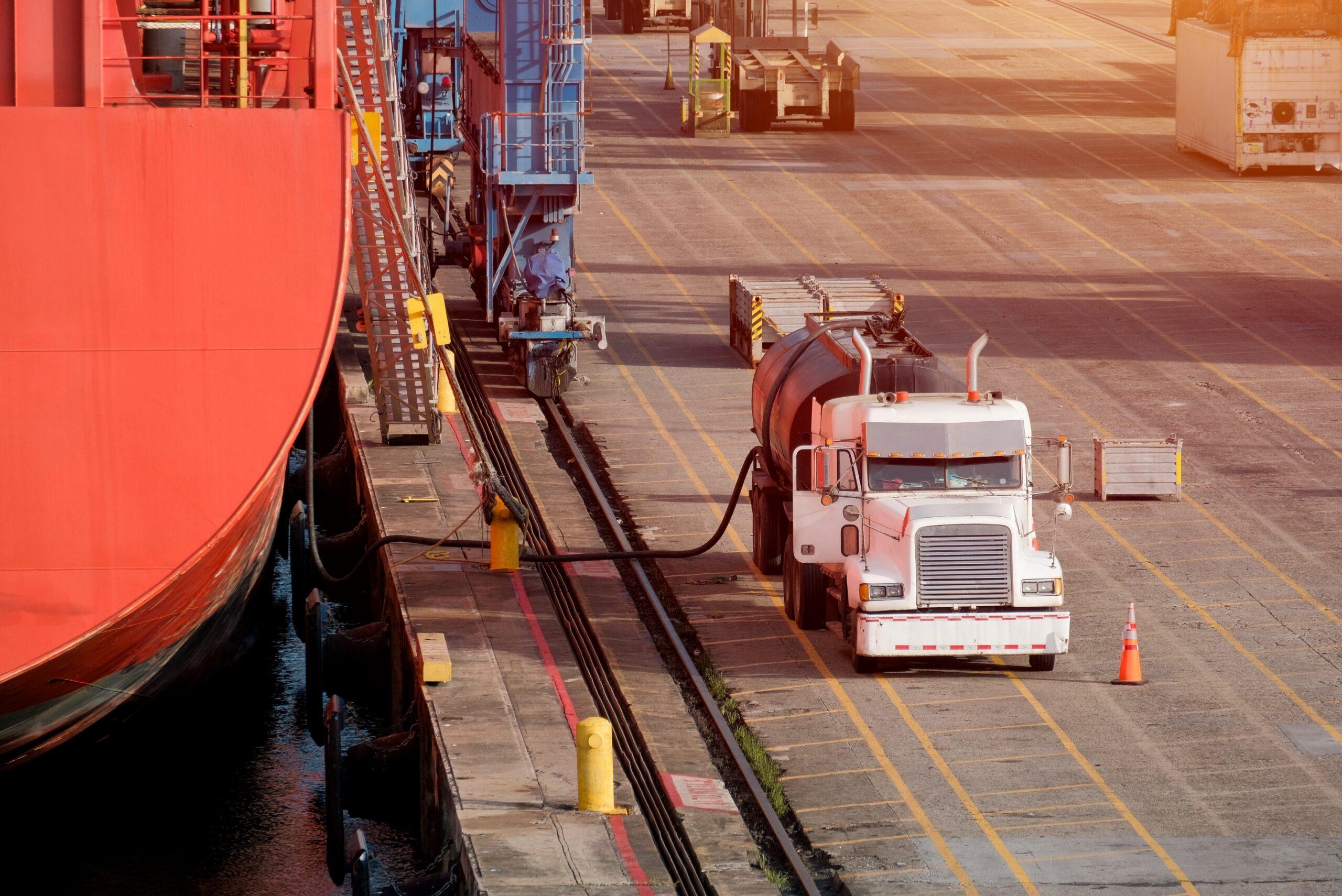
The prolonged closure of the Strait of Hormuz is disrupting global bunker fuel supplies, leading to refueling delays of up to two weeks at major Asian ports and potentially driving higher global prices for low-sulfur marine fuel as suppliers increasingly rely on more expensive shipments from the U.S. and Europe. Continued disruption could further worsen fuel shortages as refineries shift production toward higher-value products such as diesel and jet fuel.
With traditional bunkering hubs like Singapore under pressure, shipping lines are increasingly turning to alternative ports in China, Malaysia, and Mauritius, though congestion at those locations is also rising. Recent events have pushed bunker fuel prices to all-time highs while reducing schedule reliability. In mid-April, average fleet speed declined to 15.18 knots, the lowest level recorded since March 2023.
Stay connected with the latest from OCEANAIR. Sign up for our newsletter to receive The OCEANAIR Current, The Monthly Horizon, and OCEANAIR Tariff Talk — delivered straight to your inbox.