

APRIL 23, 2026


Escalating tensions in the Middle East—particularly in and around the Strait of Hormuz—are continuing to disrupt global shipping markets and create ripple effects across supply chains. Recent attacks on commercial vessels and the seizure of multiple ships by Iranian forces have heightened security concerns and limited safe transit through one of the world’s most critical maritime chokepoints.
With roughly 20% of global oil flows moving through the strait, ongoing conflict, vessel diversions, and restricted traffic are driving sustained increases in fuel prices and operational risk. These disruptions are already translating into higher ocean freight costs, longer transit times, and growing uncertainty for shippers worldwide.
Carriers are responding by implementing additional surcharges and tightening contract terms, particularly on key trade lanes, as volatility in fuel markets and routing continues to evolve. At the same time, geopolitical instability and limited visibility into safe passage conditions are complicating contract negotiations and forward planning.
Overall, the situation remains highly fluid, with ongoing military activity, stalled diplomatic efforts, and continued maritime incidents signaling that disruption in the region—and its downstream impact on global logistics—may persist in the near term.
OCEANAIR is hosting another Tariff Talk on Thursday, May 7 at 2 PM EST, presented by Kristen Morneau. This session will break down what we’ve learned since the launch of the Consolidated Administration and Processing of Entries (CAPE) system and what it means for importers pursuing IEEPA tariff refunds. The session will cover early insights from Phase 1 processing, including validation trends, common rejection risks, and expected refund timelines, along with how OCEANAIR is navigating initial system challenges, optimizing claim submissions, and supporting clients through CBP reviews. Be sure to reserve your spot soon!
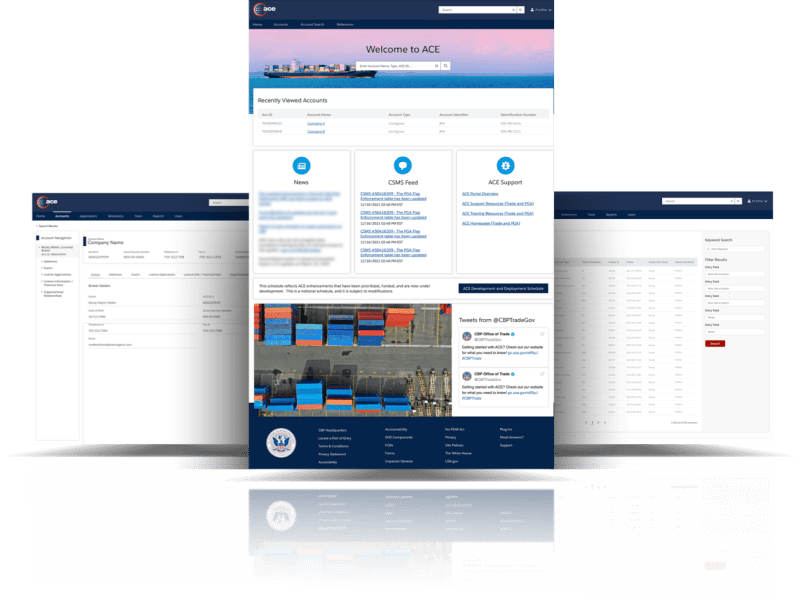
The CAPE (Consolidated Administration and Processing of Entries) portal officially launched on April 20, enabling importers and custom brokers to begin filing claims for refunds on tariffs invalidated by the Supreme Court earlier this year. The system, housed within CBP’s ACE platform, allows companies to submit bulk refund requests via structured CAPE declarations, streamlining what would otherwise be a complex, entry-by-entry process.
Initial activity has been high, with thousands of businesses submitting claims tied to an estimated $166 billion in duties. However, early rollout has included technical challenges such as portal access issues, data upload errors, and delays in account setup, which may slow processing timelines.
Refunds are expected to be issued in phases, with timing dependent on claim complexity, validation requirements, and overall system throughput.
OCEANAIR has been actively working on filing claims since the portal became live. If you have any questions or concerns about the CAPE filing process, please reach out to compliance@oceanair.net.

Rising jet fuel prices driven by the Middle East conflict have forced airlines to cut flights, increase fuel surcharges, and implement cost-saving measures as profitability comes under pressure. Some carriers have announced reduced capacity and the suspension of certain routes in an effort to scale back operations, as fuel costs—now around 30% of expenses—have more than doubled since late February. Disruptions to fuel supply from the Persian Gulf, worsened by reduced access through the Strait of Hormuz, have led to widespread flight cancellations and emergency measures. Meanwhile, air freight rates and surcharges have surged, with some routes seeing sharp increases, reflecting the dual impact of higher fuel costs and reduced cargo capacity.
Complex bunker fuel surcharge practices by ocean carriers are delaying 2026–27 trans-Pacific contract negotiations by making costs more difficult to compare. With oil prices elevated, some carriers are shifting to more frequent fuel price adjustments and introducing open-ended emergency surcharges without clear terms, creating uncertainty and increasing cost risks. This could force delays beyond typical May 1 contract start dates, pushing shippers onto more expensive spot rates. While there are signs of compromise, the widespread use of fluctuating and layered surcharges continues to complicate pricing transparency and make overall freight costs far less predictable.
Stay connected with the latest from OCEANAIR. Sign up for our newsletter to receive The OCEANAIR Current, The Monthly Horizon, and OCEANAIR Tariff Talk — delivered straight to your inbox.