

JULY 16, 2026


The U.S.-Iran ceasefire has seemingly collapsed as attacks within the region intensify. Control of the Strait of Hormuz and the safe passage of ships remain the catalyst. This re-escalation caused a slight surge in the price of crude oil to $87/barrel, though it remains below its recent high of $115/barrel just a few weeks ago.
The ongoing conflict continues to affect all sectors of the U.S. market, with businesses experiencing increased supply chain costs, rising fuel and oil prices, and shifting consumer buying habits. Although these impacts are beginning to trickle down to the final consumer, sales have surprisingly continued to climb nearly 1% in May and June.
Transportation costs continue to rise, and with Peak Season right around the corner, it is starting to look as if there may not be any relief in the near future.
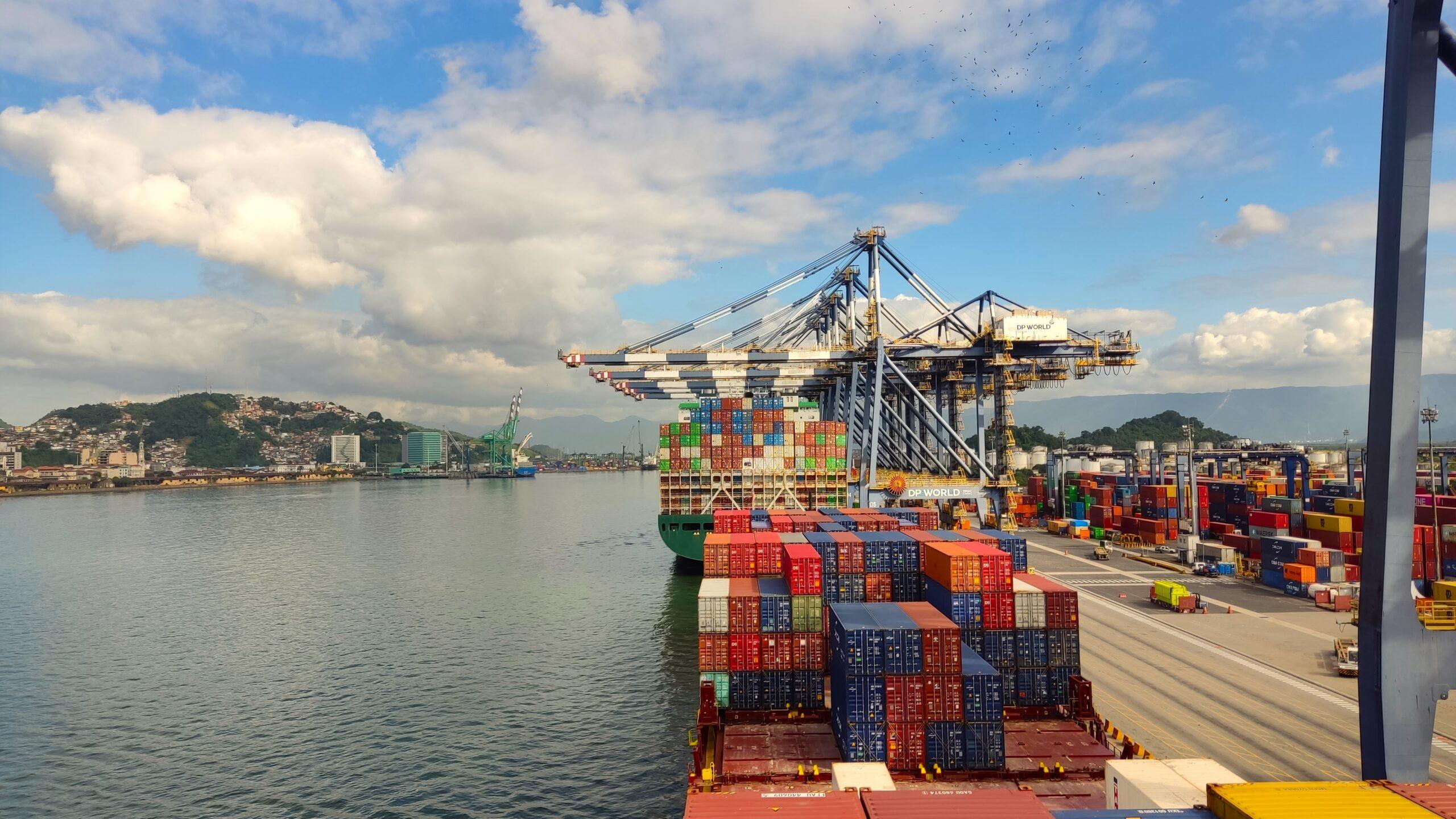
The season of new Section 301 tariffs has arrived, with goods from Brazil now subject to a new 25% tariff effective July 22. The new tariff includes an in-transit exclusion, along with the standard exemptions for informational materials and humanitarian aid. USTR received more than 360 written testimonies and heard from 77 witnesses during public hearings, resulting in an annex of excluded articles and ongoing commitments to review non-tariff measures. The annex is focused on items grown in the region or those instrumental to the pharmaceutical, power, and manufacturing sectors, as many of these articles were the subject of testimony regarding the detrimental impact the tariffs would have.
Rejection. The number one reason IEEPA tariff refund payments are being rejected is the lack of bank details in the ACE portal. In February, U.S. Customs stopped issuing paper checks, and all refund payments are now made via ACH to a U.S. bank account. However, those banking details must be entered in the ACH Refund Authorization section of the ACE portal, not under the banking details in the importer profile.
As ACH is now the only method for receiving refunds, it is essential that importers update this information and keep their ACE portal active. What was once considered a peripheral portal has now become a mandatory tool for importers doing business in the U.S.

Ocean carriers are tightening booking policies for Indian exports as demand to Europe and North America continues to increase. Carriers have significantly increased penalties for last-minute booking cancellations, rollovers, and no-shows, with charges now assessed on a per-container basis rather than per booking. Capacity on key India–U.S. East Coast services remains limited, and shipment reliability issues and delays are likely to disrupt supply chains. General Rate Increases driven by capacity constraints, along with war risk surcharges, have also been implemented due to rising fuel prices.

The U.S. trucking market is experiencing increasing capacity constraints driven by tightening driver availability, regulatory changes, elevated operating costs, and growing demand for intermodal transportation. Industry reports indicate that truck capacity tightened considerably during the first half of 2026, reducing equipment availability and extending lead times across several key inland markets. As trucking resources remain constrained, importers should also expect delays in rail ramp and cargo pickup appointments.
Stay connected with the latest from OCEANAIR. Sign up for our newsletter to receive The OCEANAIR Current, The Monthly Horizon, and OCEANAIR Tariff Talk — delivered straight to your inbox.