

JULY 9, 2026


After celebrating the 250th anniversary of the U.S., the world of international trade remains as complex and busy as ever, with no signs of slowing down. The 10% Section 122 tariffs are set to expire in a few weeks, on July 24, 2026, and we fully expect new Section 301 or other tariff measures to be implemented on or around that date. No official details regarding the replacement tariffs have been released or confirmed, but current expectations are that they will be country-specific Section 301 tariffs ranging from 10% to 15%.
The ceasefire between the U.S. and Iran has ended, and hostilities have resumed, which may impact both fuel prices and transportation capacity across all trade lanes. President Trump has also recently called for a halt to all trade with Spain; however, very few details have been released regarding how or whether this may be implemented.
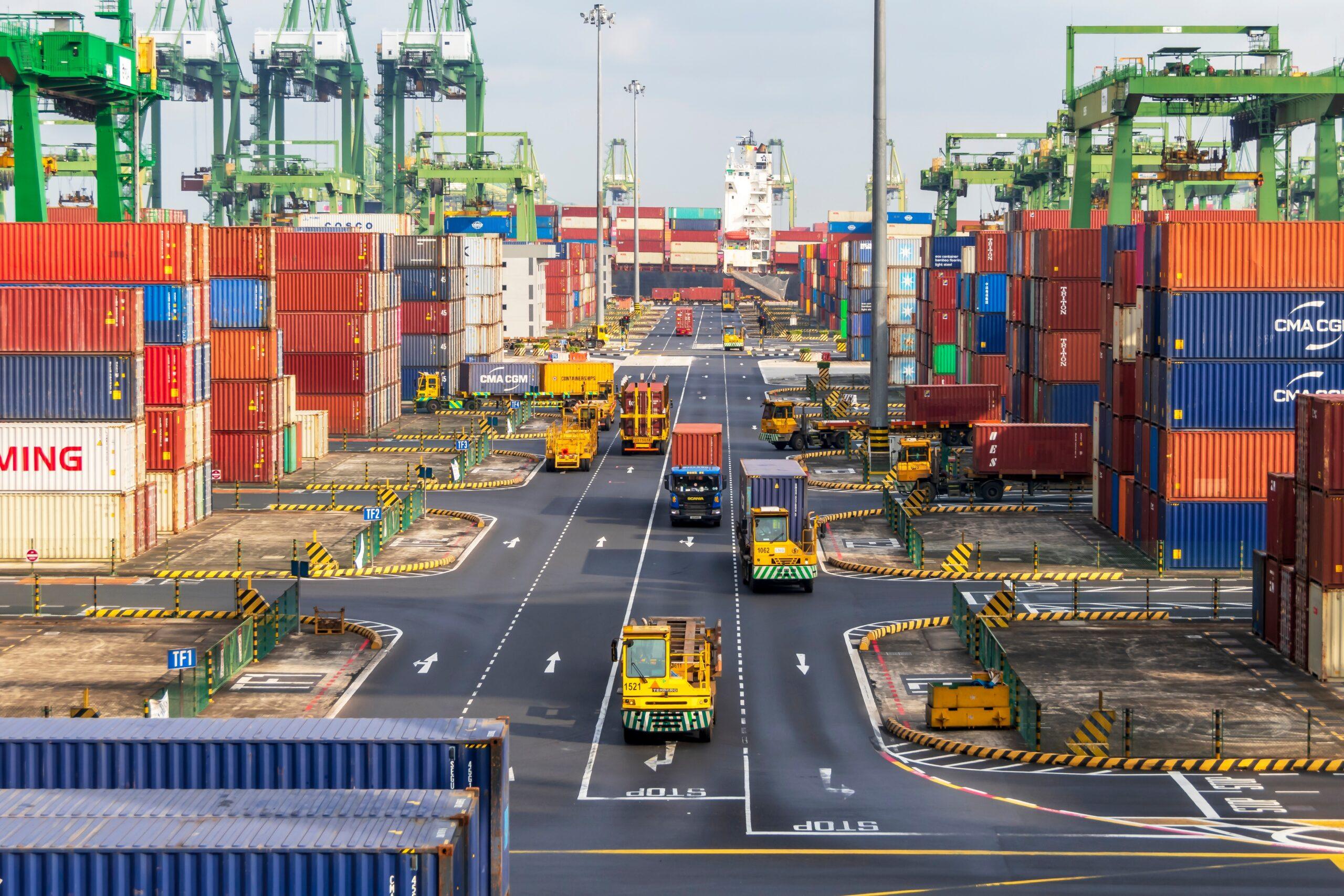
Port congestion across Asia is worsening due to bad weather, vessel bunching, and surging cargo volumes as shippers rush goods ahead of expected new U.S. tariffs. Major ports, including Shanghai, Ningbo, Yantian, Singapore, Busan, Colombo, Jakarta, and Surabaya, are experiencing significant delays, forcing ocean carriers to omit port calls, cancel sailings, roll cargo to later vessels, or reroute shipments through alternate transshipment hubs. These disruptions have pushed global port congestion to a four-year high. Carriers warn that congestion is likely to worsen in the coming weeks as schedule disruptions continue to compound across Asia.

A surge in freight volumes ahead of the July 4th holiday pushed truckload spot rates to levels not seen since the pandemic, when rates were as much as 10 cents per mile below current levels. The question for U.S. shippers is whether those rates will peak and decline during what is typically a slower summer trucking season or remain elevated. Historically, that has been driven by softening freight demand, but demand has not been the primary driver of rate inflation this year. The latest data shows truck and rail volumes were 1.2% lower in May than a year earlier, although the year-over-year gap continues to narrow.
Stay connected with the latest from OCEANAIR. Sign up for our newsletter to receive The OCEANAIR Current, The Monthly Horizon, and OCEANAIR Tariff Talk — delivered straight to your inbox.