

NOVEMBER 3, 2026

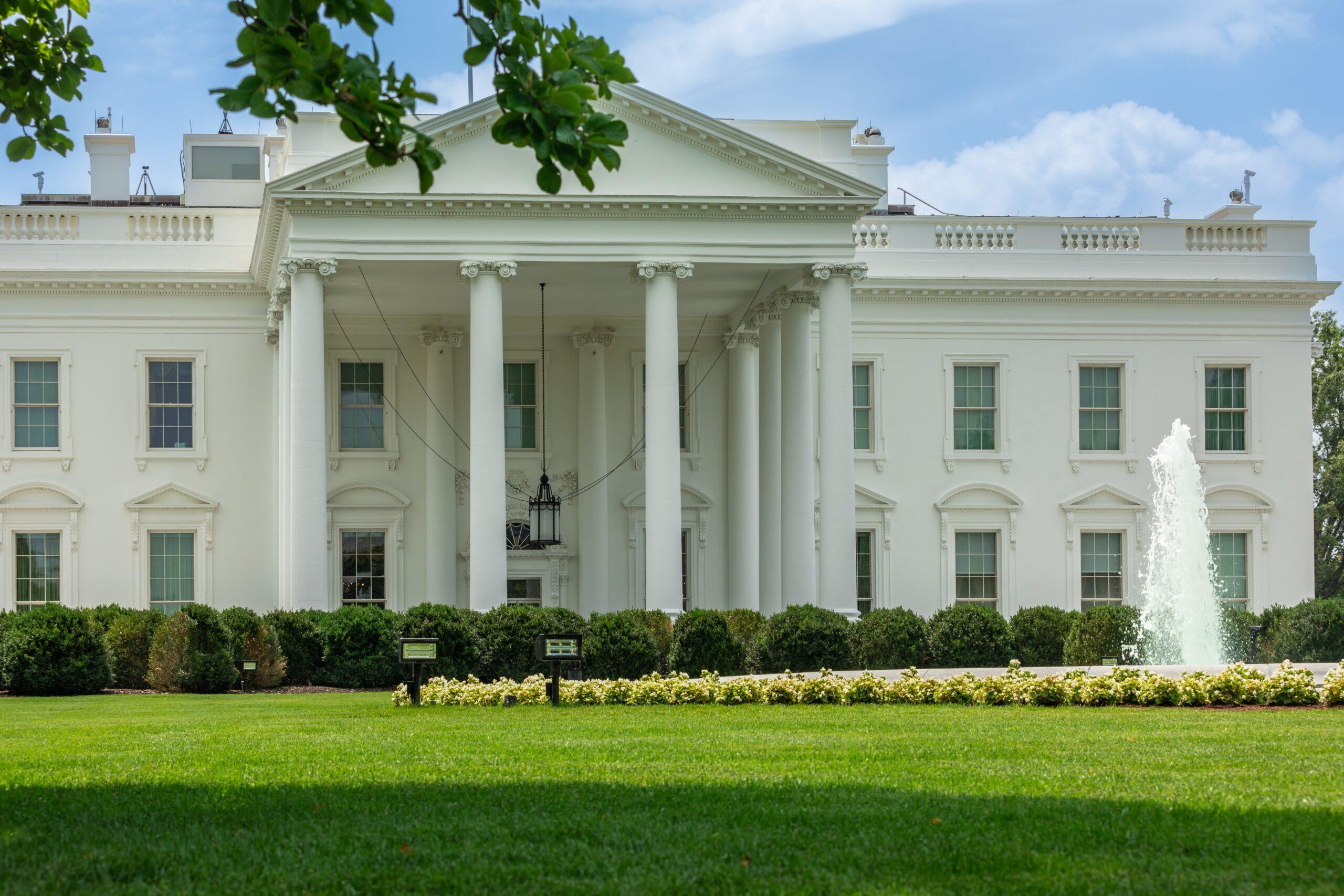
A 10% tariff change is scheduled to take effect on November 10, according to a White House fact sheet. The 20% IEEPA tariff imposed in response to China’s involvement in fentanyl (and its ingredients) entering the U.S. will be reduced to 10%. This lower rate will remain in effect for one year and is subject to annual negotiation. Specific details on when and how the change will be implemented have not yet been provided.
Importers benefiting from the limited Section 301 exclusions are receiving a one-year extension, and the ongoing investigation into Chinese shipbuilding is being suspended for a year. Additionally, a new rule on end-user controls—which enhances due diligence for affiliates—will also be suspended for one year.
China, in turn, will suspend its planned export controls on rare earth minerals essential for U.S. manufacturing growth. A general license will replace the current restrictions. Notably, China has also agreed to suspend tariffs on U.S. agricultural products, including soybeans, with a commitment to purchase 12 million metric tons before the end of the year and to more than double that amount over the next three years.
Beyond tariffs, China has agreed to remove entities added to its denied party lists, improve trade access for legacy integrated circuits, and end investigations into U.S. semiconductor companies related to antitrust, anti-monopoly, and anti-dumping claims.
Meanwhile, the November 1 threat of a 10% tariff on Canada has gone quiet—a hopeful sign for a calmer month in trade policy, as attention now shifts to the Supreme Court’s upcoming hearing on the legality of IEEPA-based tariffs.
Stay connected with the latest from OCEANAIR. Sign up for our newsletter to receive The OCEANAIR Current, The Monthly Horizon, and OCEANAIR Tariff Talk — delivered straight to your inbox.