

NOVEMBER 6, 2025


Yesterday, the Supreme Court heard oral arguments on the legality of President Trump’s use of the International Emergency Economic Powers Act (IEEPA) to issue numerous new tariffs over the past few months. The hearing lasted almost three hours, with both sides presenting their cases and responding to direct questions from the Supreme Court Justices.
The Court has assured an expedited ruling, though no firm timeline has been set for when it will be issued. This decision will have monumental ramifications for the current state of importing and the broader economy, regardless of the outcome. At this point, as we await the ruling, we can only prepare for both possibilities.
If the Court rules in favor of President Trump, all tariffs will remain in place, and more may be added at his discretion. If the Court rules against President Trump, the reactions and consequences will be far more complex, raising many unanswered questions: Will the IEEPA tariffs end immediately? Will the President seek other means to impose tariffs? What happens to the tariffs already collected? What will the refund process look like?
There are more questions than answers at this point. Either way, this is a historic moment for our industry, and we await the Supreme Court’s ruling.

The 20% IEEPA fentanyl tariff on goods of Chinese origin is still on track to decrease to 10% effective Monday. Current guidance indicates that the lower rate will apply to imports arriving on Monday and thereafter.
Importers remain on edge, awaiting updates from the Supreme Court, which recently heard oral arguments on the legitimacy of the IEEPA tariffs. While many maintain day-one optimism that the Court will rule in favor of the importers’ case, the final ruling may not be issued until the spring leaving plenty of time for speculation.
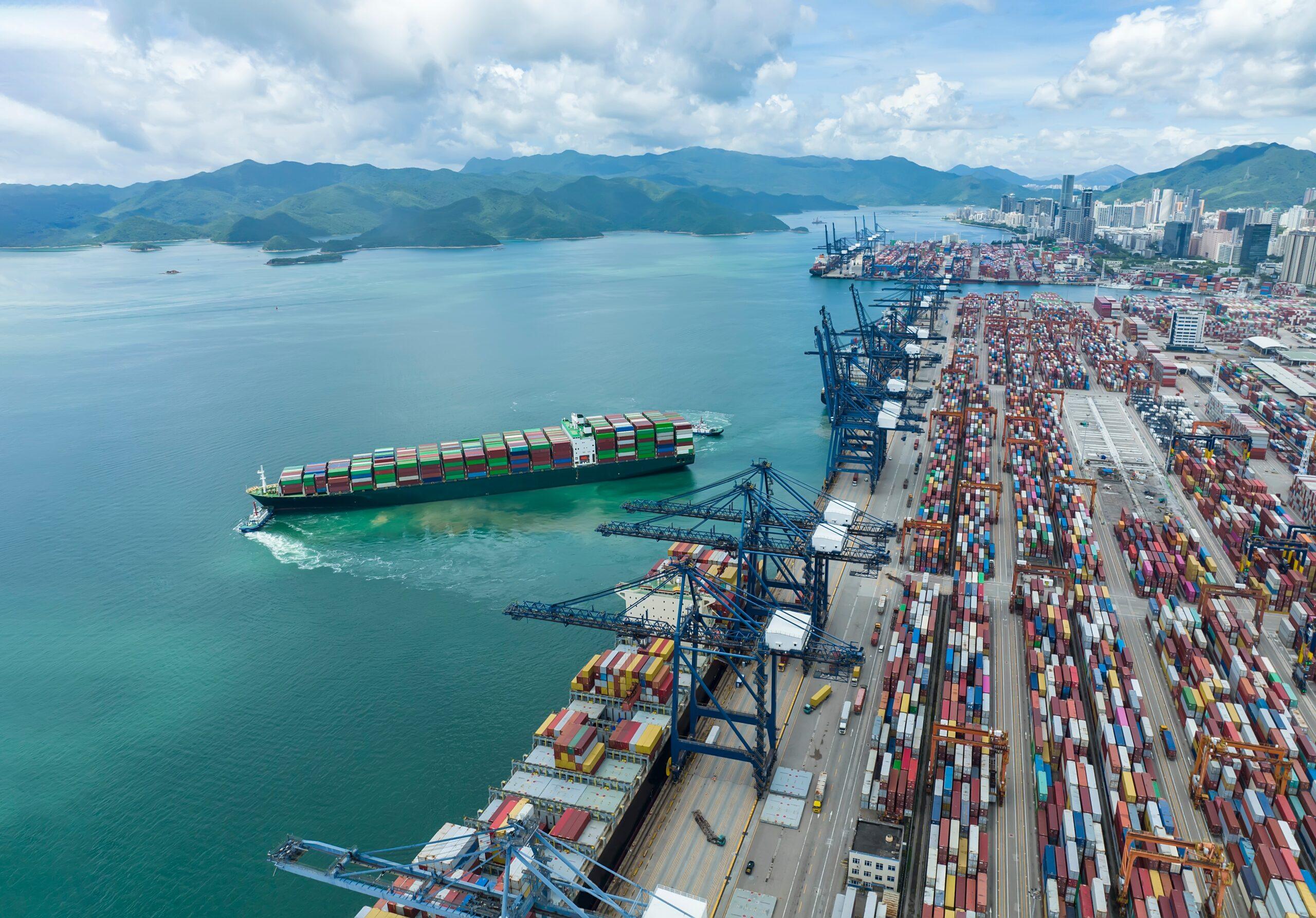
The White House announced that a year-long pause on U.S. port fees for Chinese-operated or -built ships will begin on November 10, following an agreement between U.S. and Chinese officials. The move is expected to prompt China to lift its own retaliatory port fees on U.S. vessels, though Beijing has not yet confirmed when that will occur. During the suspension, the U.S. will negotiate with China over concerns about Chinese dominance in the maritime and shipbuilding sectors, while continuing efforts to revitalize American shipbuilding.
Stay connected with the latest from OCEANAIR. Sign up for our newsletter to receive The OCEANAIR Current, The Monthly Horizon, and OCEANAIR Tariff Talk — delivered straight to your inbox.