

COMPLIANCE EXCLUSIVE

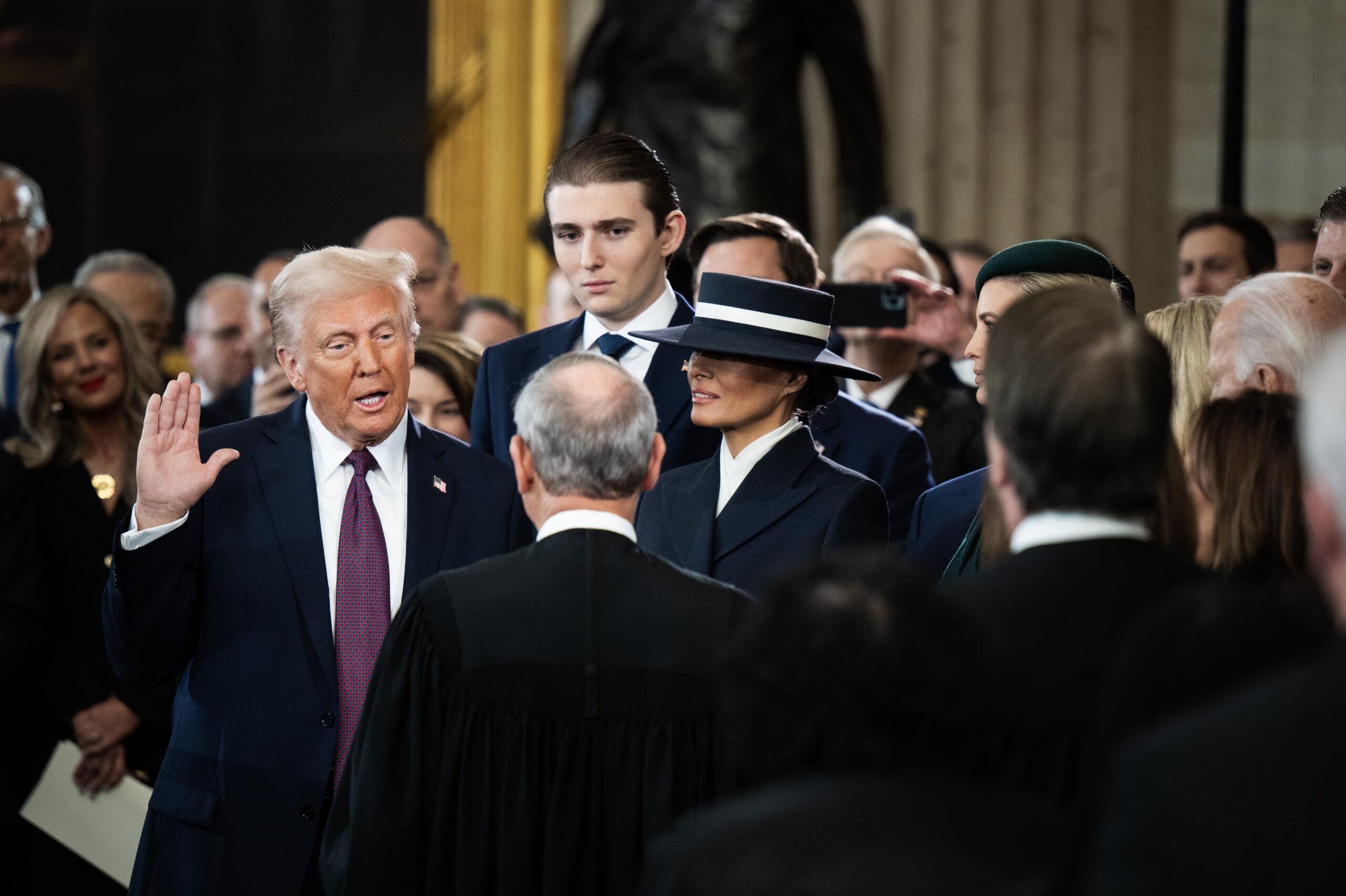
Americans ended the first day of President Donald Trump’s second administration with much to digest. The day included speeches, inaugural balls, fashion statements, politicians, business leaders, and a flurry of executive actions, many of which directly reflected promises made on the campaign trail.
As each topic came to fruition, trade policy had its moment under the pen with the issuance of the “America First Trade Policy.” The memorandum directed various departments and agencies to investigate the impact of current trade conditions on the U.S. economy and included a review of the feasibility of establishing an External Revenue Service (ERS) to collect tariffs, duties, and other foreign trade-related revenues.
In a subsequent Q&A session, the President indicated that new tariffs could take effect on February 1, though details were limited. He mentioned a possible 25% levy on imports from Mexico and Canada, leaving the coming days for further negotiations and details to emerge. Currently, there are no details on whether the February 1 date would apply broadly to imports from those countries or only to specific commodities, nor on how any tariffs would be implemented.
So, what does the “America First Trade Policy” actually mean? The memorandum highlights three major areas. The first is addressing unfair and unbalanced trade, including directives for agencies to investigate the root causes of the U.S. goods trade deficit, explore the establishment of an External Revenue Service to collect tariffs, duties, and other foreign trade-related revenues, and conduct reviews of existing trade agreements, antidumping and countervailing duty laws, and risks associated with counterfeit goods and the de minimis exemption. Details are still unavailable regarding how an ERS would function, what revenues it would collect, or how it would interact with the existing customs and duty collection system.
The second section focuses on China, directing reviews that include the potential implementation of new tariffs, an assessment of the four-year review of Section 301 actions, an evaluation of how intellectual property rights—such as patents, copyrights, and trademarks—are handled, and an assessment of legislative proposals related to Permanent Normal Trade Relations with the People’s Republic of China.
Stay connected with the latest from OCEANAIR. Sign up for our newsletter to receive The OCEANAIR Current, The Monthly Horizon, and OCEANAIR Tariff Talk — delivered straight to your inbox.