

JANUARY 23, 2025


Lunar New Year begins on January 29, marking the start of the Year of the Wood Snake. This year symbolizes wisdom, adaptability, growth, creativity, and change—qualities that resonate as we navigate a period of transition and uncertainty in the U.S.
At OCEANAIR, we remain focused on the evolving international transportation market and are closely monitoring developments in the weeks ahead. While tariffs remain a prominent topic in the import world, we are also approaching a critical time in the shipping calendar. Ocean carriers are beginning to lay the groundwork for rate contracts, setting the stage for the upcoming shipping season.
We look forward to gaining clearer insight into what lies ahead and will continue to keep you informed. Stay tuned for updates.
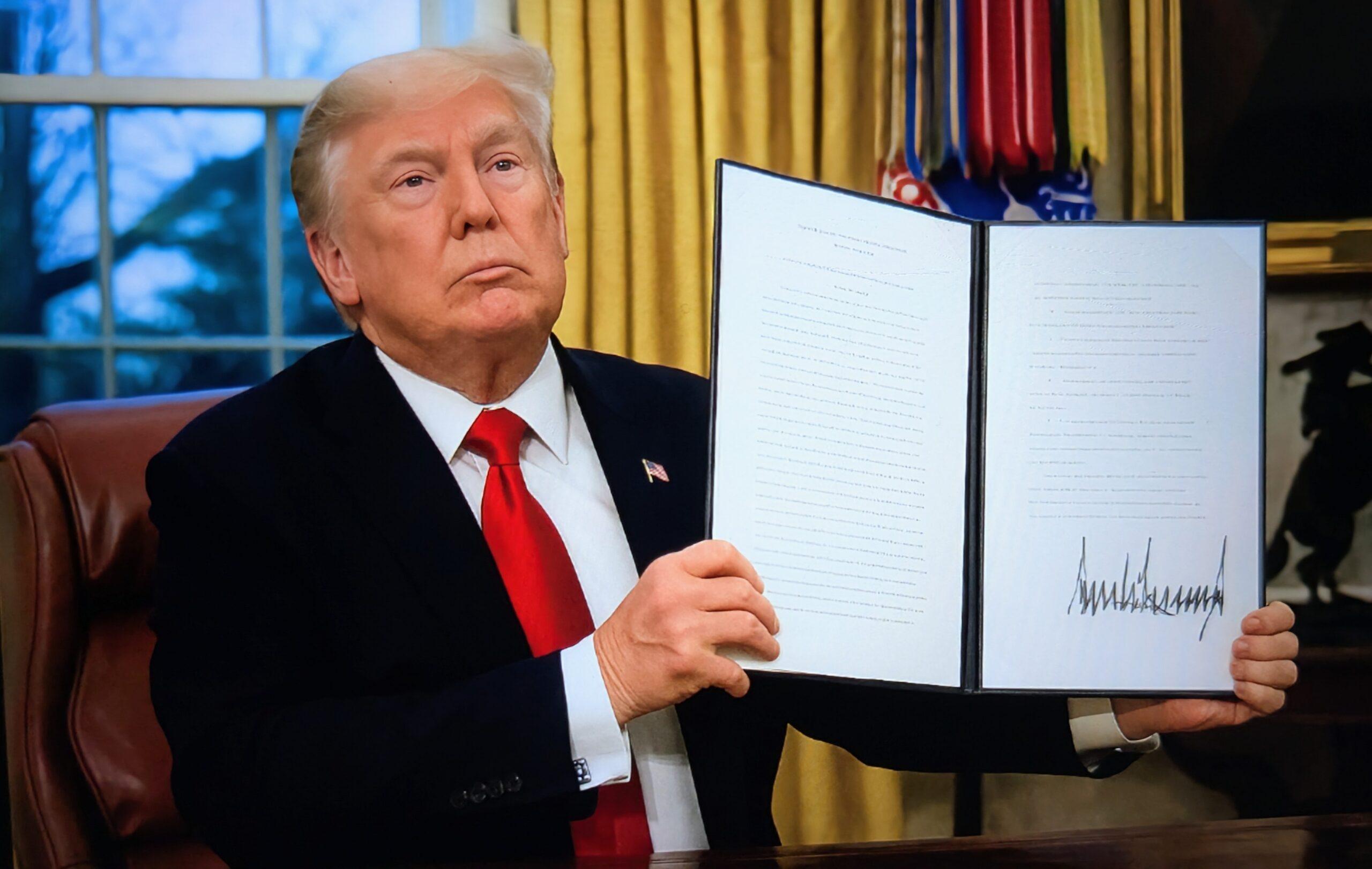
While duties dominated much of the Trump administration’s trade agenda, several executive actions had broader impacts on the global marketplace:
Export Control Review
The Secretaries of State and Commerce have been directed to review and assess U.S. export control systems. The focus includes identifying and eliminating regulatory loopholes, evaluating enforcement practices, and exploring mechanisms to incentivize compliance by foreign nations.
Designation of Cartels and Organizations
An executive order established a process for certain international cartels and other organizations to be designated as Foreign Terrorist Organizations (FTOs) or Specially Designated Global Terrorists (SDGTs). These designations could result in significant financial and trade restrictions, including the blocking of property and restrictions on transactions involving designated organizations.
Chinese Investigation into Semiconductor Trade
China has raised concerns regarding U.S. semiconductor exports, with Chinese industry representatives alleging that U.S. subsidies have contributed to unfair competition involving certain semiconductor products. The semiconductor market, critical to China’s high-tech goods sector, has become a focal point in ongoing trade tensions. The U.S. CHIPS and Science Act provides significant funding and incentives to strengthen domestic semiconductor manufacturing, research, and development, adding to the complexity of this issue.
Cuba
President Biden’s January 14 action initiating the process to remove Cuba’s designation as a State Sponsor of Terrorism was rescinded by President Trump on January 20. This action maintained Cuba’s previous status under U.S. policy.
West Bank
A Biden-era executive order that authorized sanctions against individuals and entities involved in certain activities threatening peace, security, or stability in the West Bank was also rescinded. The rescission ended the sanctions authority established under that executive order.

Starting February 1, ocean shipping alliances will undergo significant restructuring. Currently, the three major alliances comprise 10 leading shipping lines, but their structure will change beginning in February 2025.
The 2M Alliance will disband. Maersk will partner with Hapag-Lloyd to form the new Gemini Cooperation, while MSC will transition to operating an independent East/West network.
Ocean Alliance will remain unchanged, continuing with its existing members: CMA CGM, COSCO, OOCL, and Evergreen.
THE Alliance will see a change with the departure of Hapag-Lloyd. It will be rebranded as the Premier Alliance and consist of ONE, HMM, and Yang Ming.
The realignment coincides with Lunar New Year and will involve a transition period as carriers phase vessels into their new networks. As old partnerships dissolve and new networks take shape, shippers may experience temporary schedule delays, capacity disruptions, blank sailings, and increased uncertainty in the weeks ahead.
Adding to these challenges, severe winter weather across the southern U.S. has temporarily shut down key marine terminals along the Gulf Coast. These closures are placing additional strain on supply chain logistics during an already challenging period as the global shipping network adjusts to the alliance changes.

Transportation visibility vendors are evolving their value propositions, positioning themselves as more than providers of freight location data. In just the past few weeks, three vendors have launched new products aimed at delivering greater value to shippers.
As the pandemic-driven surge in investment in these vendors has slowed, customers have increasingly sought actionable applications rather than standalone data. In response, many providers have diversified their offerings, expanding into areas such as risk management solutions to remain competitive. This shift toward more execution-focused capabilities is reshaping the visibility market, which has traditionally relied heavily on partnerships and integrations with transportation and warehousing software providers.
Stay connected with the latest from OCEANAIR. Sign up for our newsletter to receive The OCEANAIR Current, The Monthly Horizon, and OCEANAIR Tariff Talk — delivered straight to your inbox.