

OCTOBER 22, 2025

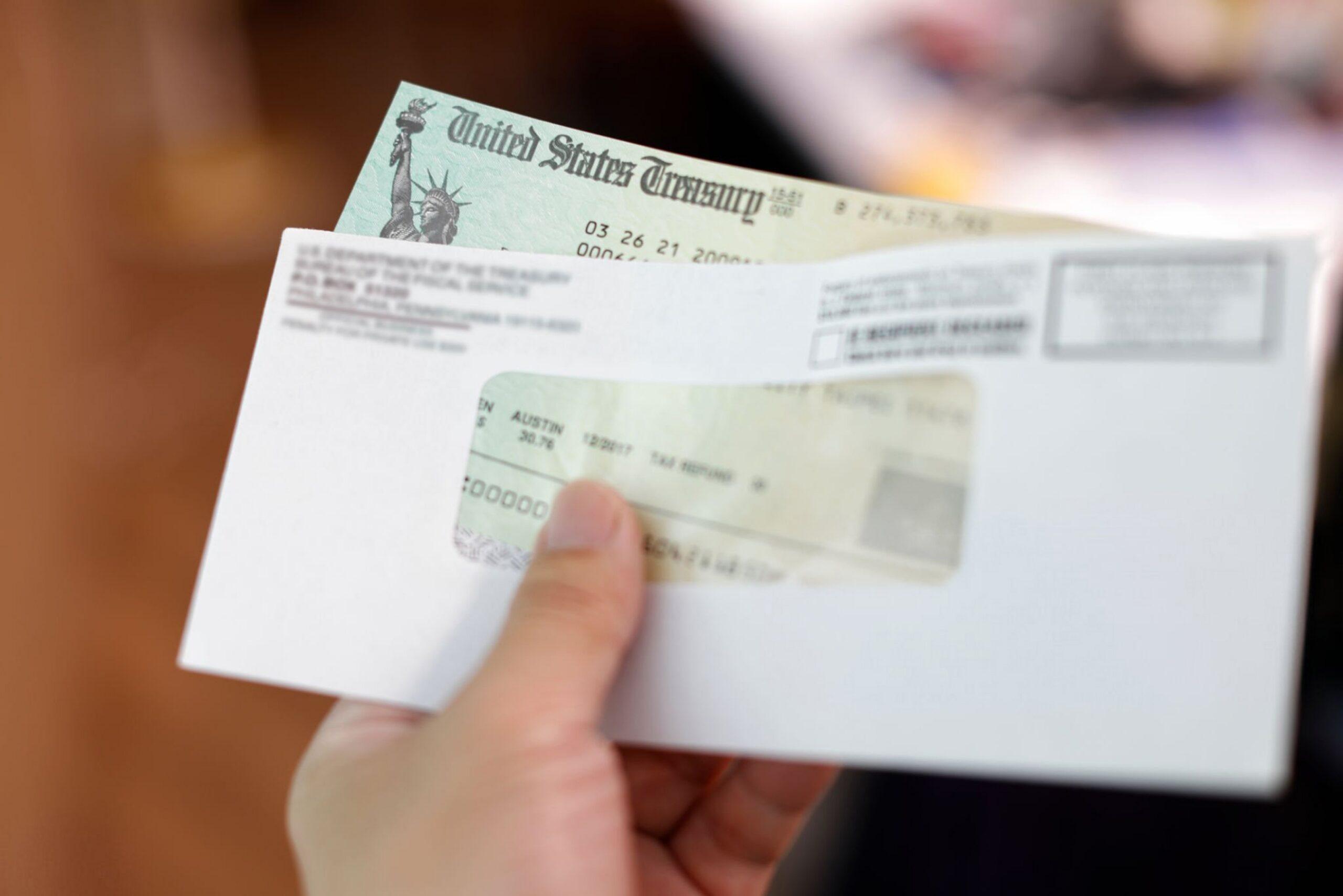
A government shutdown will not impact the government’s ability to collect duties and taxes; essential functions will continue as necessary. Tariffs are still being paid, and U.S. Customs is processing import entries and export filings “as normal” into this third week of the shutdown. Personnel remain in place at each step of the process to ensure tariffs are paid, processed, and that rules can still be modified when needed. However, the refund of any monies from U.S. Customs via the U.S. Treasury is affected, causing a pause on duty drawback claims and refunds through post-shipment corrections. Requests will continue to be processed, but checks will not be issued.
Slight delays in processing and response times are occurring, with occasional out-of-office replies from U.S. Customs and partner agencies such as the FDA. Responses and assistance are still taking place, just not at their usual pace. In a trade environment already laden with new tariffs—many with one-off conditions—the import community’s patience is being tested, especially amid the threat of rising prices. Another noticeable challenge is the longer recovery time following local or major internet outages, compounded by reduced communication channels. The primary channel—the Customs website—is not being updated during the shutdown. Headlines are increasingly highlighting the rising cost of coffee due to tariffs, making this a difficult period for anyone involved in international logistics, compliance, or customs brokerage.
The shutdown will not affect the planned November 1 (or early November) increases on buses, medium and heavy trucks and their parts, the 100% increase on ship-to-shore cranes of Chinese origin, or general rate increases on goods manufactured in China. Even that morning cup of coffee reflects the current trade environment with China. Social media posts from the President have referenced 100% increases, later confirmed by the press to be in addition to existing tariffs. With China’s reciprocal rate nearing the end of its 90-day pause, the most likely area of change will be the reciprocal 10% rate, which previously peaked at 125% before settling at 34% and then being lowered to its current 10%. These changes do not focus on Section 301 or IEEPA fentanyl (20%) tariffs.
Importers are facing significant challenges in forecasting, budgeting, and deciding whether to pause shipments. China is no longer purchasing U.S. soybeans and is limiting its export of rare minerals, while the U.S. has imposed new export restrictions on semiconductor technology shipments to China.
A potential factor that could influence tariff increases is the Supreme Court’s upcoming review of tariffs issued under IEEPA. The Court is set to hear arguments on November 5. At issue is the belief—held by multiple states and importers—that the national emergency declared for IEEPA tariffs exceeds presidential authority and that its broad, near-global implementation undermines the intent of addressing a specific national security, foreign policy, or economic threat to the U.S.
As October closes and pumpkin spice gives way to peppermint mocha, many changes are expected in November. OCEANAIR will continue to monitor developments and provide updates as tariffs and regulations evolve.
Stay connected with the latest from OCEANAIR. Sign up for our newsletter to receive The OCEANAIR Current, The Monthly Horizon, and OCEANAIR Tariff Talk — delivered straight to your inbox.