

SEPTEMBER 17, 2026

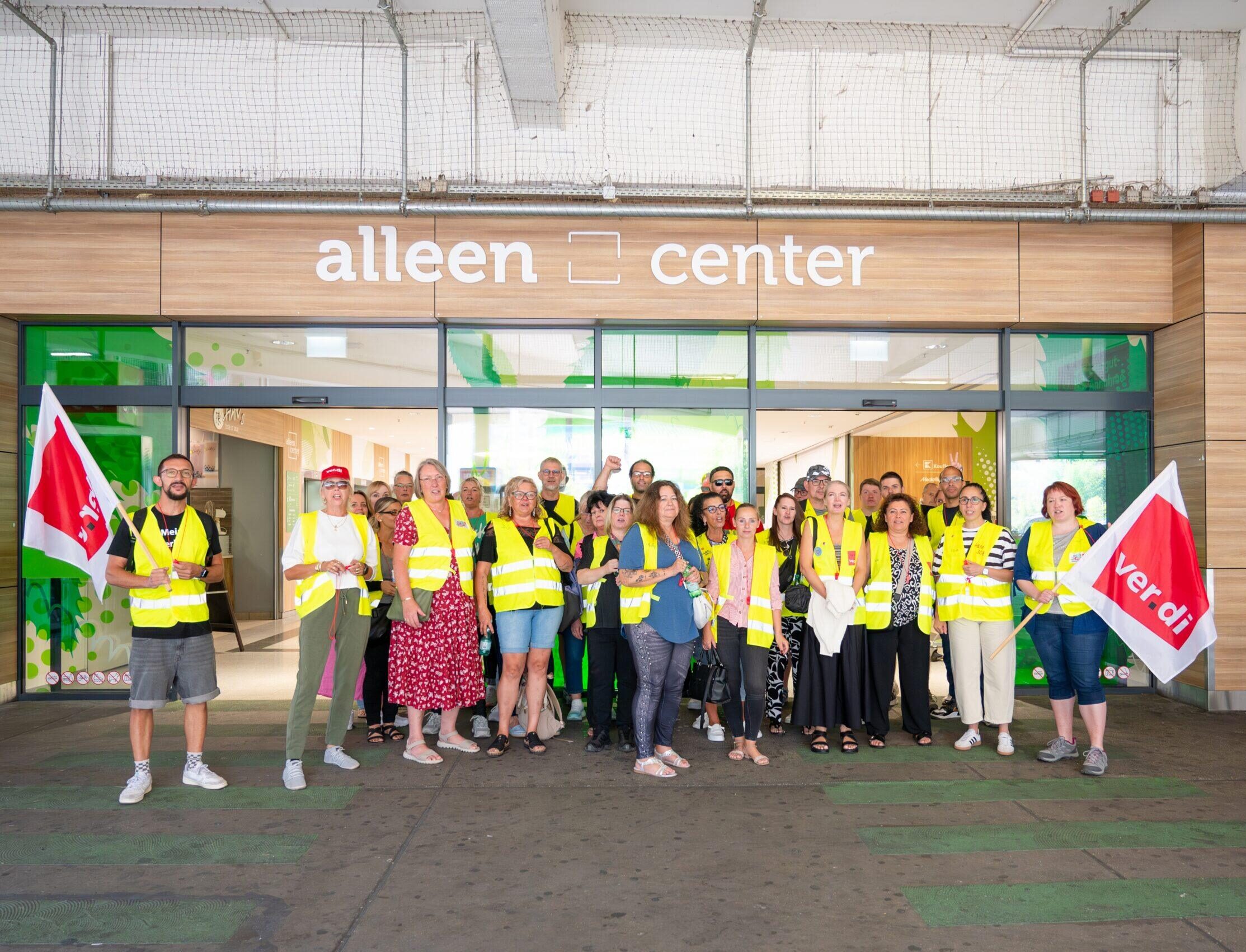
Labor tensions at six of Germany’s major ports, including Hamburg and Bremerhaven, remain unresolved after union members rejected the latest contract offer covering approximately 11,000 port workers. A vote is scheduled for September 18 through October 1, with 75% of members required to reject the offer before the union can move forward with indefinite strike action. No additional strikes have been announced at this time, but the vote creates the potential for renewed disruption at German ports in the weeks ahead.
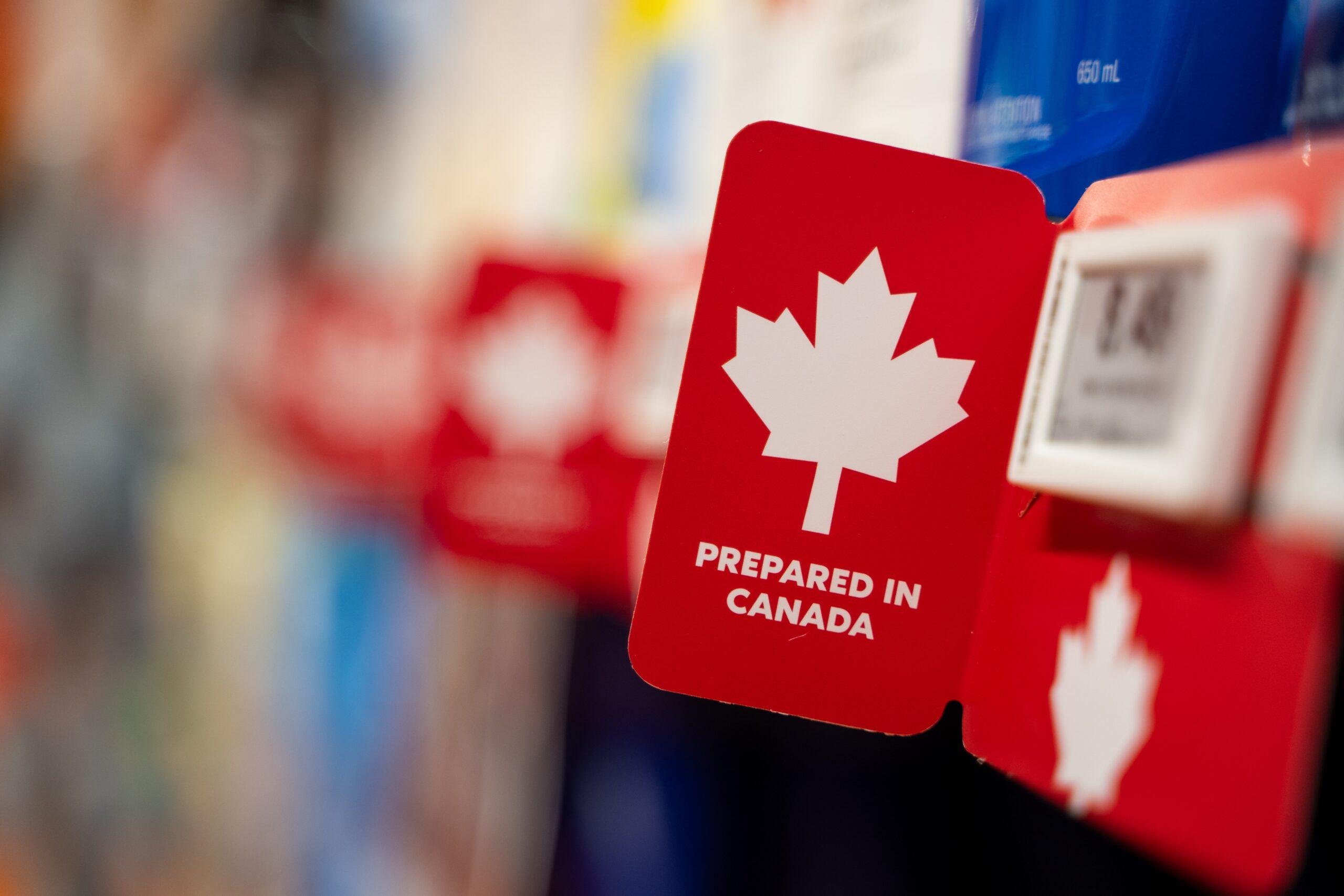
Effective September 15, U.S. Customs and Border Protection (CBP) modified the scope of the 50% Section 338 tariffs on certain Canadian-origin goods. The addition of 122 HTS classifications comes in response to Canada’s retaliation against the initial Section 338 tariffs. Canada imposed tariffs ranging from 15% to 50% on U.S. products, including dairy, steel, paper, and paper products. The September 15 update also removed several classifications from the additional duties. CBP issued updated filing guidance for importers and brokers, making accurate HTS classification particularly important when determining whether Canadian goods are subject to the additional tariff.
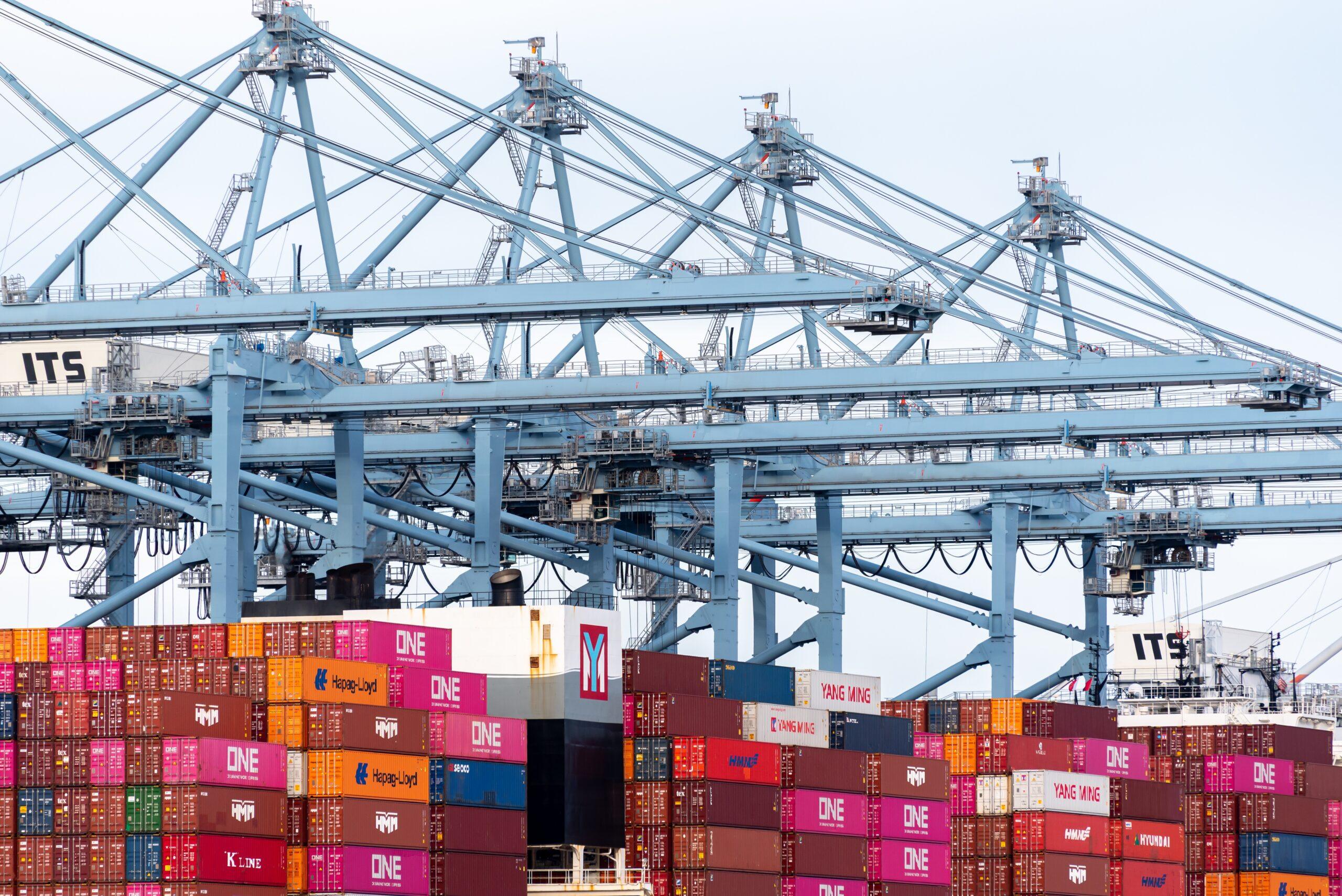
August container dwell times at the Los Angeles-Long Beach port complex show that rail-destined containers are experiencing longer delays. The ports handled nearly record volumes of 1.88 million TEUs in August, highlighting strong cargo demand despite ongoing rail and terminal constraints. Rising rail dwell times suggest that rail-related bottlenecks could remain a concern as more volume is routed through the U.S. West Coast.
Elsewhere, conditions at the Panama Canal remain under watch as reduced rainfall raises the possibility of additional transit restrictions. In the Red Sea, some container traffic is gradually returning to the Suez Canal, although security concerns continue to make routing unpredictable.
As a reminder, China’s Golden Week is approaching, running from October 1 through October 7. With factories and businesses closing for the holiday, shippers typically rush to move cargo ahead of the shutdown, while carriers adjust schedules and reduce capacity during and immediately following the holiday period. Blank sailings are expected around the Golden Week window, and existing vessel delays at Shanghai and Ningbo could add further pressure. Shippers moving cargo out of China should plan ahead for tighter space and potential schedule disruptions extending into October.
Stay connected with the latest from OCEANAIR. Sign up for our newsletter to receive The OCEANAIR Current, The Monthly Horizon, and OCEANAIR Tariff Talk — delivered straight to your inbox.