

EXECUTIVE EXCLUSIVE

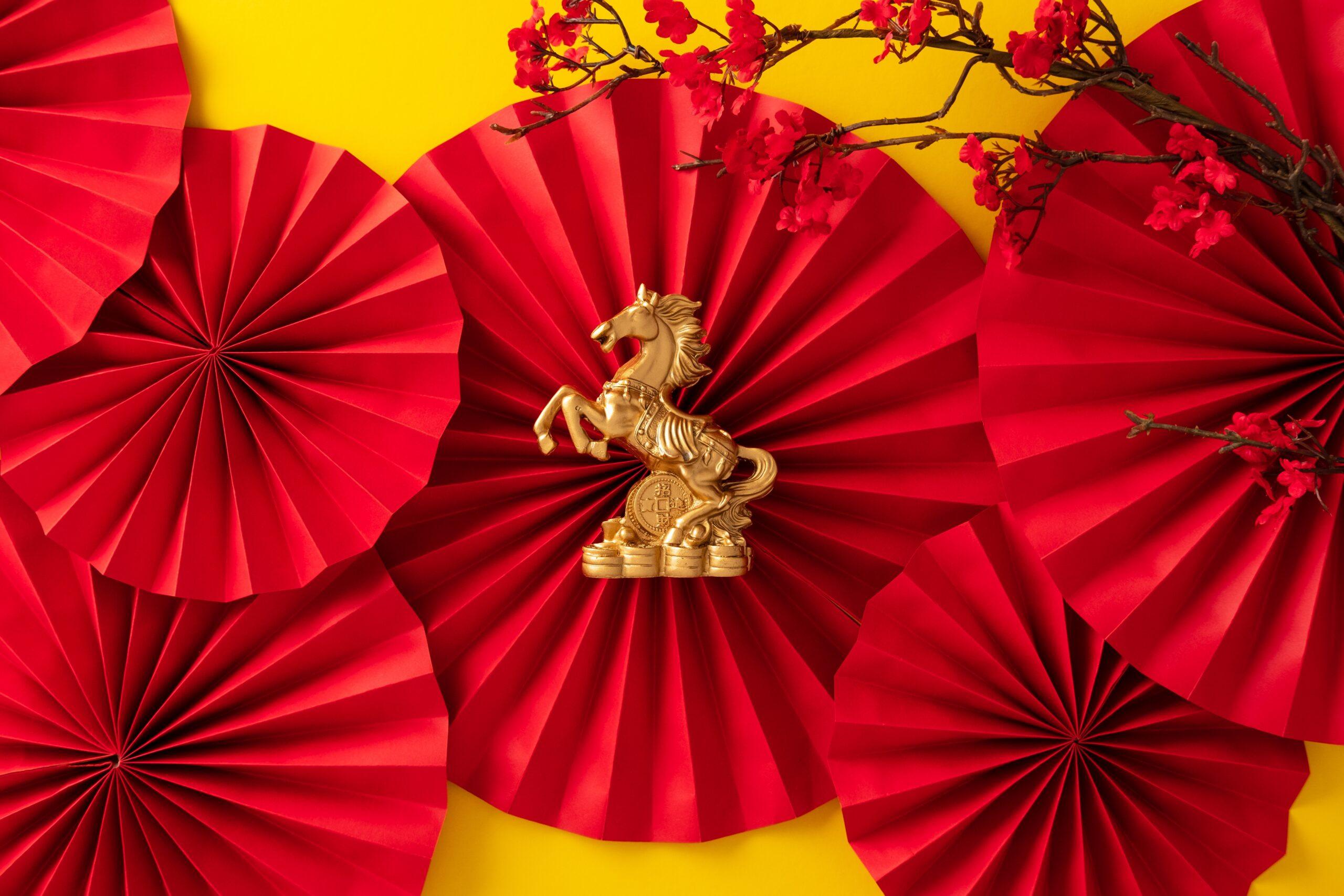
Here we are already – JANUARY 2026! A fresh start, if you will. Any trials and tribulations that you experienced over the past 12 months are over and done with. This moment offers an opportunity to reevaluate, set new personal goals, and strive for positive change.
In the world of international logistics, we are looking to 2026 for some stability. Our goals are centered on creating structure, maintaining balanced inventory levels, and leveraging the modifications made to our supply chain in 2025 to drive cost savings as a result of our strategic planning.
Before we fully enter the new shipping season, we are quickly approaching one of its most significant impacts…Chinese New Year, also known as Spring Festival, which begins on February 17th this year. This two-week celebration represents renewal, family togetherness, and the welcoming of good fortune for the new lunar year. It symbolizes the end of winter and the start of spring, a time to honor ancestors, sweep away old luck, and usher in prosperity, health, and happiness.
As logistics professionals, we recognize that CNY is a time for celebration, but it also serves as a test of our ability to plan ahead and minimize disruptions to your supply chain. Preparation for this period can begin as early as October, depending on the product being produced. Importers place orders well in advance to ensure manufacturers are aligned and goods are prepared for shipment, as factories and many logistics operations across Mainland China, Hong Kong, and Taiwan completely shut down during the two-week holiday.
The four to six weeks leading up to CNY are especially critical, as logistics companies experience a large spike in bookings: space becomes scarce, and rates begin to increase. With rates trending downward toward the end of 2025, some capacity has already been removed from rotation by ocean carriers, which may result in higher-than-usual demand due to reduced available space.
The effects on supply chains extend well beyond the holiday itself. Factories require time to return to full operating capacity, often creating significant production backlogs. Ports and air cargo networks will continue to face delays as accumulated cargo begins to move. Eventually, supply chains typically begin to normalize two to three weeks after operations resume. The industries most affected include electronics, textiles and apparel, toys, and automotive.
2026 marks the Year of the Fire Horse, symbolizing intense energy, action, and transformation. After a chaotic year shaped by tariffs in the U.S., it feels fitting that, in the tradition of the zodiac, the Fire Horse represents a time for bold steps and innovation…embodying perseverance, ambition, exploration, and a strong drive for success. This is a strong mantra we should all be able to get behind. Let it serve as a reminder that progress is shaped by courage and vision, turning disruption into opportunity and growth.
Stay connected with the latest from OCEANAIR. Sign up for our newsletter to receive The OCEANAIR Current, The Monthly Horizon, and OCEANAIR Tariff Talk — delivered straight to your inbox.