

JUNE 19, 2025


The July 9 deadline for finalizing U.S. trade agreements is quickly approaching, with much of the global tariff landscape still unresolved. Countries outside North America generally remain subject to the 10% baseline reciprocal tariff, while Canada and Mexico face a 25% tariff on non-USMCA goods. Imports from China remain subject to multiple layers of tariffs—including the 20% fentanyl tariff, the original 25% Section 301 tariff, and the 10% baseline reciprocal tariff—resulting in a combined rate of 55% on most goods. Additional tariffs remain in place for automotive, steel, and aluminum products, varying by country of origin.
Trade negotiations were a major focus at this week’s G7 Summit in Canada, where President Trump met with several world leaders ahead of the July 9 deadline. While additional agreements have yet to be announced, countries viewed by the administration as negotiating in good faith are expected to remain subject to the 10% baseline tariff, while others could face higher reciprocal rates, potentially reaching 50%.
One agreement moving forward is the United States–United Kingdom Economic Prosperity Deal, whose general terms were signed during the summit. Under the agreement, the 10% reciprocal tariff will remain in effect for UK goods, with certain commodities, including aerospace products, excluded from the tariff schedule.
The deal also outlines a potential reduction in steel tariffs. Notably, the UK was exempted from the recent 25% increase on specific steel and aluminum products and continues to negotiate tariff rates for pharmaceuticals under the Section 232 review. Additionally, the first 100,000 UK-manufactured vehicles exported to the U.S. annually will be subject to a 10% Section 232 tariff rather than the current global rate of 25%.
In return, the UK has committed to increasing imports of U.S. beef, ethanol, and other agricultural products while working to remove non-tariff barriers that have previously limited trade between the two countries.
We will continue to monitor negotiations as the July 9 deadline approaches and provide updates as additional trade agreements and tariff rates are finalized.
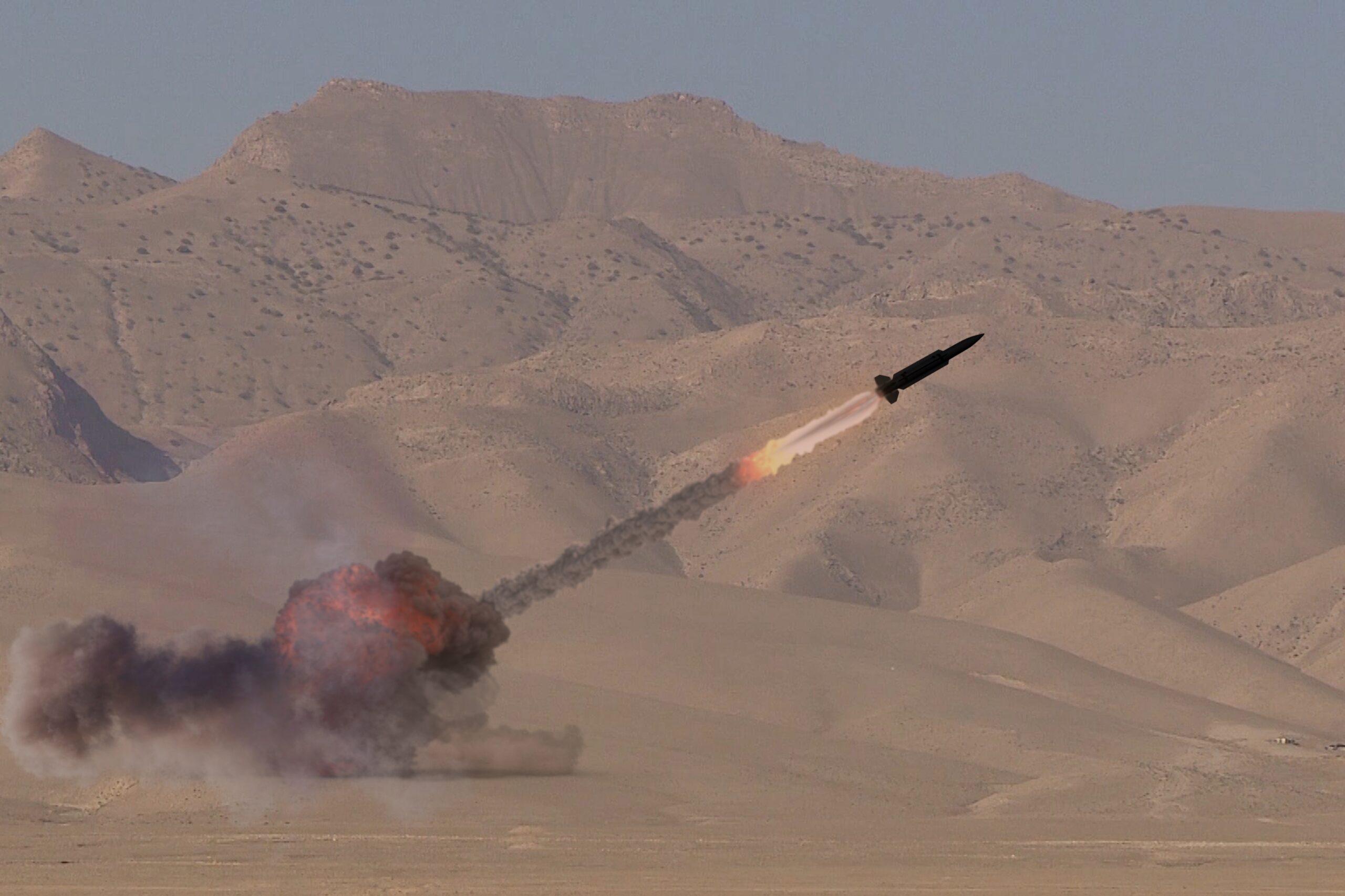
The ongoing conflict between Israel and Iran has led to widespread disruptions across Middle Eastern airspace. As a result, many airlines have suspended service to and from impacted destinations and are rerouting flights through alternative—and often more congested—air corridors over Turkey, Saudi Arabia, and Egypt. These adjustments have led to longer flight times and increased fuel consumption.
Major carriers have temporarily halted operations to destinations including Israel, Lebanon, Jordan, Bahrain, Syria, Iraq, and Iran, as regional instability continues to affect commercial aviation routes and schedules.
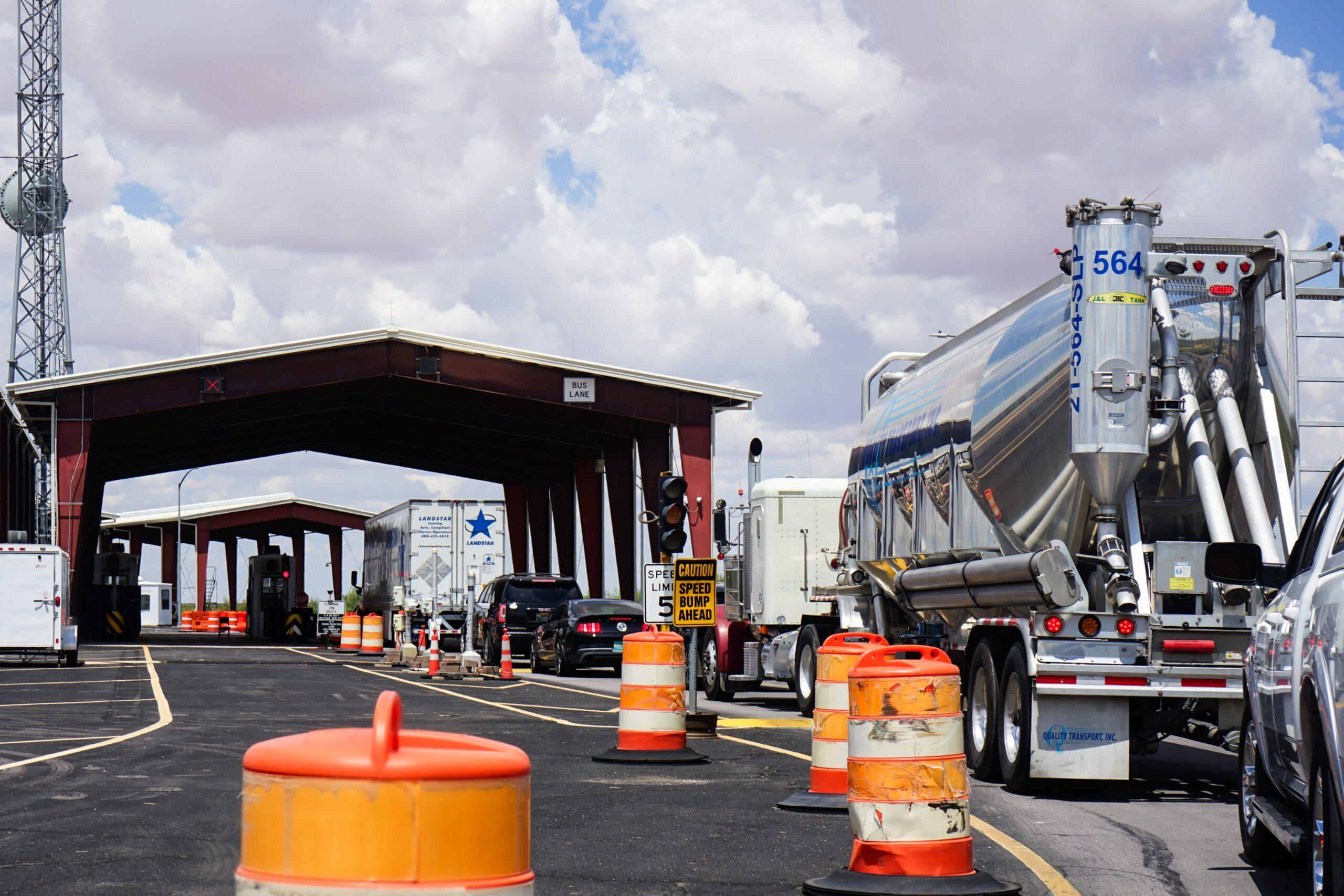
The U.S.–Mexico border is experiencing increasingly volatile freight volumes as shippers adjust to shifting U.S. tariff policies. These fluctuations—spikes and dips in shipments—reflect ongoing efforts by businesses to respond quickly to evolving trade conditions.
This pattern is clearly illustrated in monthly truck crossing data from the U.S. Bureau of Transportation Statistics (BTS). Northbound crossings rose 10.2% in January, declined by 6.3% in February, and surged again by 12% in March, highlighting the reactive nature of cross-border freight flows.
Stay connected with the latest from OCEANAIR. Sign up for our newsletter to receive The OCEANAIR Current, The Monthly Horizon, and OCEANAIR Tariff Talk — delivered straight to your inbox.