

JUNE 11, 2026

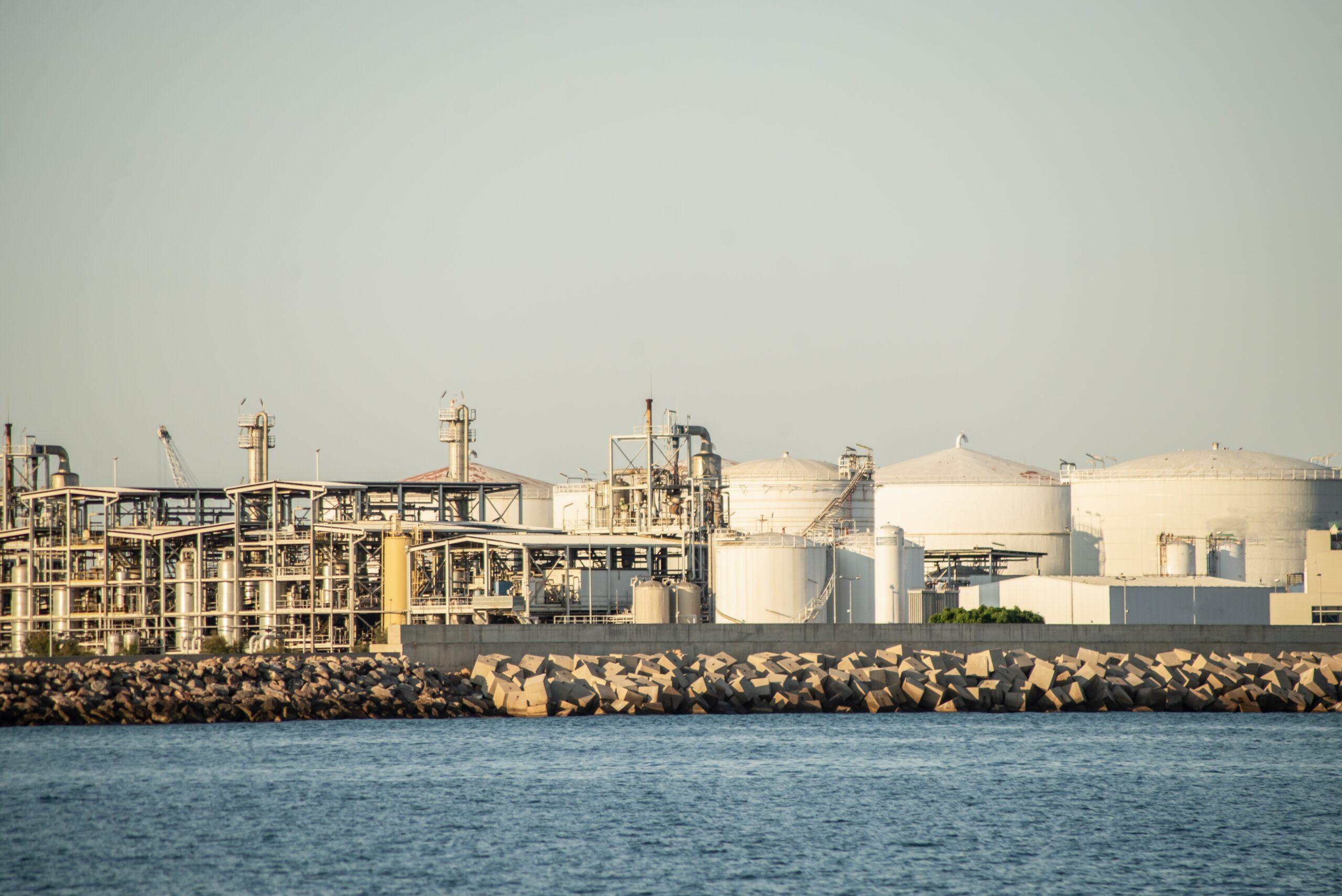
Iran recently announced the closure of the Strait of Hormuz following military escalation with the U.S. and Israel. The strait is one of the world’s most important maritime routes, carrying roughly 20% of global oil and natural gas shipments during normal operations. While Iran has threatened to close the strait numerous times in the past, a complete shutdown has never been fully enforced due to the economic and geopolitical consequences for both regional exporters and global markets.
While the announcement has generated global headlines, shipping through Hormuz had already become heavily restricted in recent months. Traffic has continued at reduced levels, although operators are facing heightened security risks, war-risk insurance premiums, and reports of transit fees reaching as high as $2 million per voyage for some ships. Reports also indicate that several vessels have been damaged or attacked since the conflict began.
The significance of the latest announcement is less about a sudden halt to all maritime traffic and more about Iran leveraging its control over one of the world’s most critical trade corridors. The waterway remains Iran’s most significant source of leverage in ongoing peace negotiations with the U.S., giving Tehran the ability to influence global energy markets and international shipping flows without fully stopping vessel movements.

Beginning July 3, the Panama Canal will reduce the maximum authorized draft for ships transiting its Neopanamax locks to 15.09 meters (49.5 feet). The decision, announced by the Panama Canal Authority (ACP), is part of a water-management strategy aimed at maintaining safe and reliable canal operations while preparing for the possible return of El Niño conditions.
The lower draft limits may require larger vessels—including container ships, LNG carriers, LPG carriers, and bulk carriers—to reduce cargo loads before transit, potentially affecting shipping efficiency and trade flows. The authority stated that it will continue monitoring reservoir levels and weather forecasts and may implement additional operational adjustments if conditions warrant.
Stay connected with the latest from OCEANAIR. Sign up for our newsletter to receive The OCEANAIR Current, The Monthly Horizon, and OCEANAIR Tariff Talk — delivered straight to your inbox.