

COMPLIANCE EXCLUSIVE

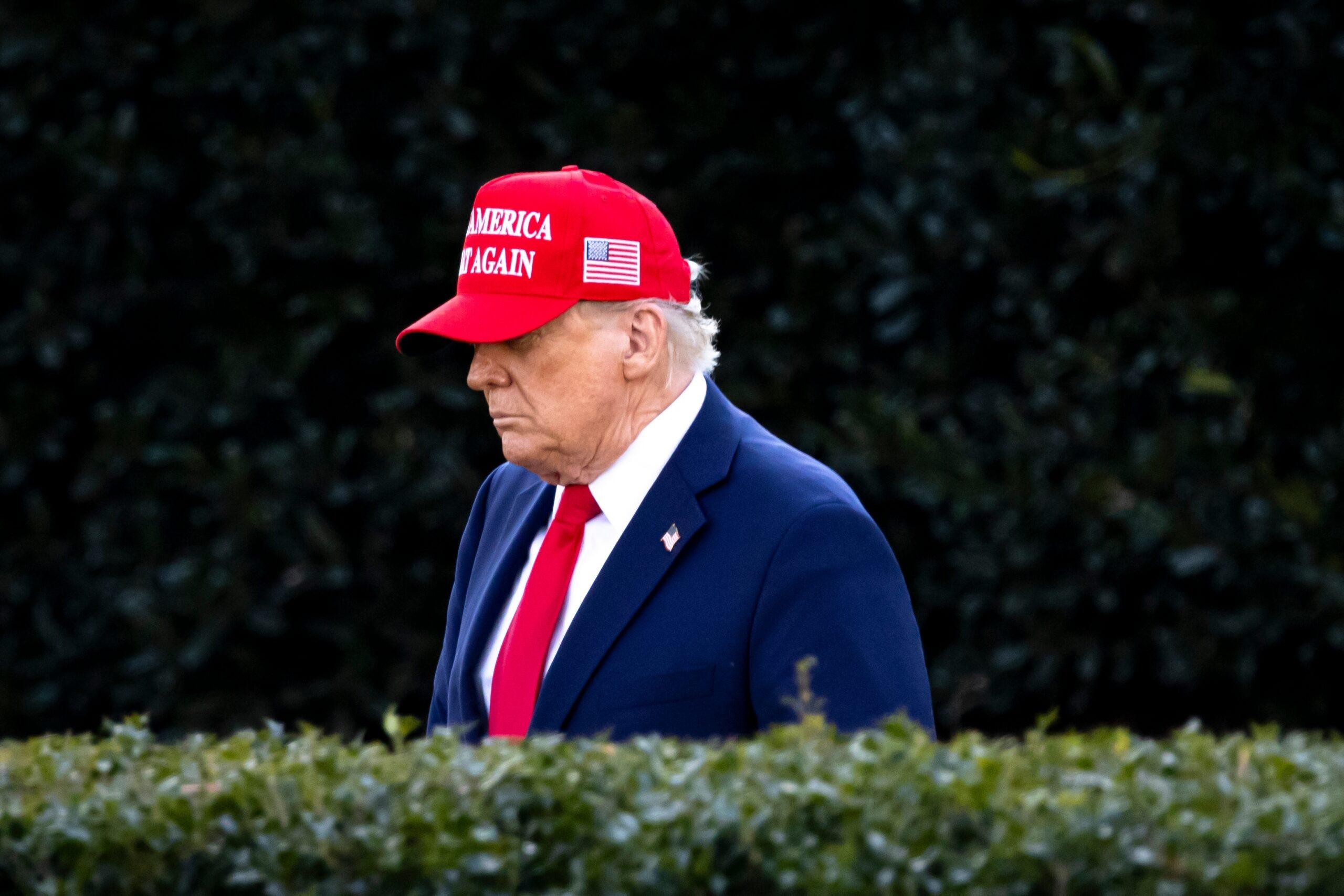
Tariffs became the device of choice for week two of President Trump’s second administration. Importers, trade professionals, and consumers watched as tariffs were nearly implemented with Colombia before a pivot to the North American border countries of Mexico and Canada. Just as tariffs on Canada and Mexico were about to take effect, with notices already being issued, they were paused in the final moments, shifting all focus back to where Trump’s tariff policies first began—China.
A common factor in Trump’s negotiations remains the fight against illegal immigration and fentanyl trafficking. In discussions with Colombia, Mexico, and Canada, several commitments were made: Colombia agreed to accept the return of certain migrants, Mexico committed 10,000 additional National Guard troops to border enforcement, and Canada appointed a fentanyl czar while strengthening its border commitments.
On February 4, the U.S. implemented an additional 10% tariff on nearly all imports of goods originating from China and Hong Kong. In response, China announced a 15% tariff on U.S. coal and liquefied natural gas, along with a 10% tariff on crude oil, agricultural machinery, and certain cars and trucks. Additionally, China announced new export controls on certain strategic minerals, filed a complaint against the U.S. with the World Trade Organization, and initiated an anti-monopoly investigation into Google.
This new tariff is in addition to other existing duties and taxes, including Sections 301 and 232. While there was speculation that President Trump might target specific commodities, the new tariff applies broadly, with limited exceptions and strict deadlines for qualifying in-transit goods to be entered through U.S. Customs.
There are also broader implications in how the Trump administration is using these actions beyond just the additional 10% tariff. One key move was the inclusion of Hong Kong, with the additional tariffs and related restrictions applying to both China and Hong Kong. Another significant area of focus was de minimis treatment.
In recent months, there has been growing concern over the de minimis rule, which allows eligible goods valued at $800 or less to enter the U.S. free of duties and taxes. De minimis has become a significant part of the direct-to-consumer supply chain, particularly for Chinese-origin e-commerce shipments. The February 1 order initially eliminated duty-free de minimis treatment for covered goods from China and Hong Kong. However, on February 5, the administration temporarily restored de minimis treatment for otherwise eligible shipments until adequate systems are in place to fully and expediently process and collect the applicable tariff revenue.
The primary exemptions from the new tariff include certain donations intended to relieve human suffering and informational materials such as publications, films, artworks, and news reports. As expected, these additional duties are not eligible for duty drawback.
The possibility of additional tariffs remains, as President Trump has indicated that tariffs will continue to play a role in trade negotiations. Whether additional countries or commodities will be targeted remains to be seen, though discussions have included European trading partners. The extent to which exclusions or modifications may be introduced is also unclear.
OCEANAIR will continue to monitor and update its clients as these tariff challenges evolve.
Stay connected with the latest from OCEANAIR. Sign up for our newsletter to receive The OCEANAIR Current, The Monthly Horizon, and OCEANAIR Tariff Talk — delivered straight to your inbox.