

OCTOBER 8, 2026


The World Trade Organization (WTO) has raised its 2026 global merchandise trade growth forecast from 1.9% to 3.9%, driven largely by strong demand for artificial intelligence (AI)-related products. Trade in AI-enabling goods, including semiconductors and servers, increased 67% year over year during the first half of 2026, accounting for 47% of global merchandise trade growth. Despite ongoing geopolitical tensions and supply chain disruptions, the revised forecast reflects stronger-than-expected global trade activity.
U.S. Customs and Border Protection’s (CBP) Consolidated Administration and Processing of Entries (CAPE) system continues to advance, with Phase 3 having opened on October 6 to expand the processing of IEEPA tariff refunds for eligible Court of International Trade plaintiffs. While additional categories of entries, including certain liquidated entries and those involving special circumstances, remain pending, future phases are expected to further expand eligibility and streamline the refund process. Importers and customs brokers should continue monitoring CBP guidance for updates on eligibility, documentation requirements, and implementation timelines.
Meanwhile, CBP announced a voluntary test of a new electronic informal entry process through the Automated Commercial Environment (ACE). The proposed Entry Type 13 would allow eligible international mail shipments valued at $2,500 or less to be filed electronically. CBP also implemented its FY2027 customs user fee adjustments on October 1, maintaining the Merchandise Processing Fee (MPF) rate at 0.3464% while increasing the minimum and maximum fee thresholds. Additionally, the Office of the U.S. Trade Representative (USTR) updated a Section 301 tariff exclusion for certain Chinese goods to align with revised Harmonized Tariff Schedule (HTS) classifications.
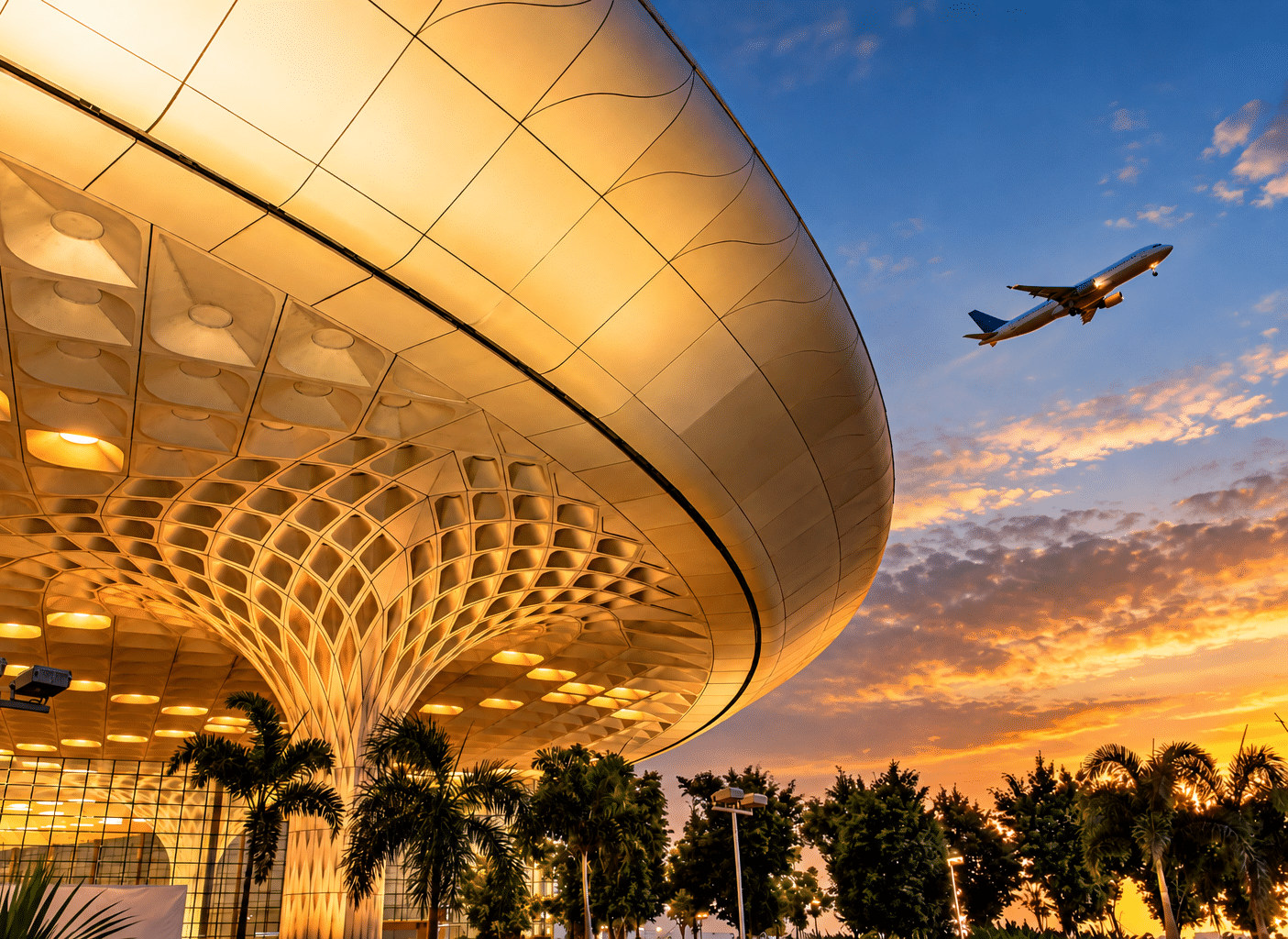
Mumbai is facing severe air cargo congestion as the shift of freighter operations to Navi Mumbai International Airport coincides with peak-season demand and a shift from ocean to air freight. Trucks have reportedly waited up to 72 hours, while shortages of personnel, forklifts, dollies, ground equipment, and warehouse capacity have caused significant delays, with some freighters departing partially loaded or even empty. Airfreight rates have increased, with U.S.-bound capacity being booked approximately five days in advance. In response to complaints from airlines and logistics providers, Navi Mumbai International Airport Limited is adding experienced staff, improving communication and system support, establishing a 24/7 customer help desk, and waiving additional demurrage charges through October 15. Despite these measures, the disruptions have already prompted at least one carrier, Challenge Group, to temporarily suspend freighter operations in Mumbai, while some shipments are being considered for diversion to other airports.
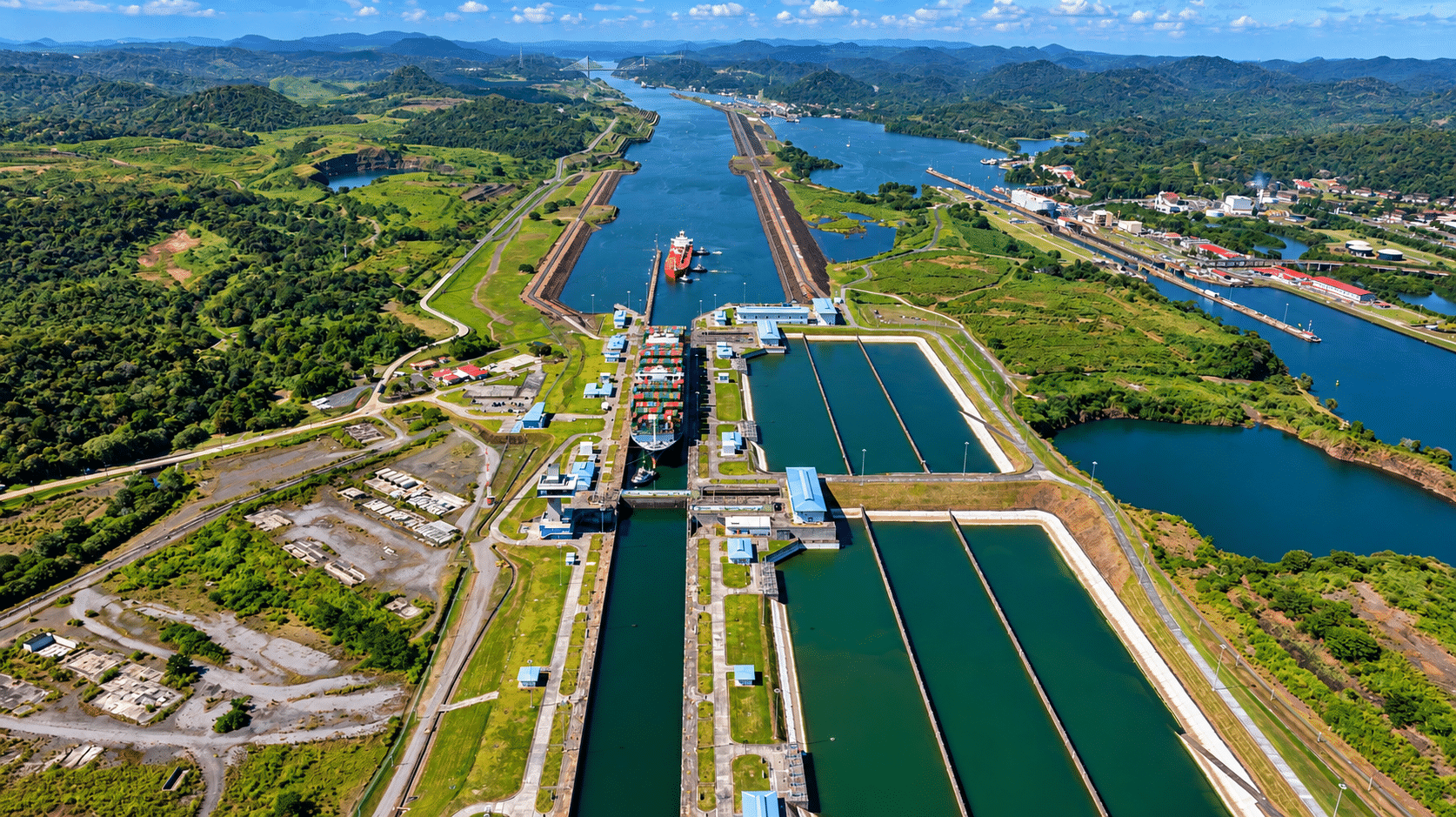
The Panama Canal Authority is easing some drought-related restrictions as rainfall has returned to near-average levels. Beginning October 15, daily transits through the Neopanamax locks will increase from nine to 10, while the maximum allowable draft for large vessels will immediately rise from 48 to 49 feet, benefiting LNG carriers and large containerships. Total daily canal traffic will increase to 33 transits, with Panamax locks remaining at 23 daily transits and a 39.5-foot draft limit. However, reservations remain essential, as vessels without booked slots may face delays, potentially contributing to backlogs and diversions to alternative routes.
Meanwhile, the Port of Savannah recorded its busiest September on record, handling 504,015 TEUs, a 3.7% increase year over year. Loaded imports rose 5.5%, driven by strong consumer spending, an extended peak shipping season, and cargo delays caused by typhoons in Asia.
A potential strike at Germany’s major seaports was averted after union representatives accepted a new labor agreement on October 6. The agreement covers approximately 11,000 workers across Hamburg, Bremen, Bremerhaven, and other ports, easing concerns over widespread shipping disruptions. Formal employer approval remains pending.
Stay connected with the latest from OCEANAIR. Sign up for our newsletter to receive The OCEANAIR Current, The Monthly Horizon, and OCEANAIR Tariff Talk — delivered straight to your inbox.