

NOVEMBER 12, 2026


The holiday shipping season is already underway! With retailers launching early Black Friday sales ahead of November 27 and Cyber Monday on November 30, consumers are getting a head start on holiday shopping, with 87% of U.S. adults planning to purchase tech-related gifts. The rapid expansion of artificial intelligence is fueling demand for technology shipments. In fact, AI-related goods accounted for nearly 30% of U.S. air imports by weight in Q2 2026. Adding to holiday excitement, Apple recently released its first foldable smartphone, the iPhone Duo, featuring AI-powered capabilities and a book-style design. With new consumer electronics hitting the market and holiday orders picking up, parcel volumes are projected to rise 4%, while ground shipping prices are expected to increase 5.8% and express shipment prices 13.8%.

The Office of the United States Trade Representative (USTR) has extended all 178 existing Section 301 tariff exclusions on certain Chinese imports through January 9, 2027, as trade discussions between the U.S. and China continue. The extension applies to eligible goods entered for consumption or withdrawn from a warehouse for consumption from November 10, 2026, through January 9, 2027. Importers may continue to claim qualifying exclusions under HTSUS headings 9903.88.69 or 9903.88.70, as applicable. For specific product descriptions, eligibility requirements, and additional details, see the Federal Register notice.
In other news, U.S. Customs and Border Protection (CBP) has introduced new importer requirements taking effect in January 2027, establishing clearer distinctions between U.S. and foreign importers of record and additional verification responsibilities for customs brokers. As importers prepare for these changes, understanding their obligations is becoming increasingly important. Learn more about the upcoming requirements and what they mean for your business in OCEANAIR’s latest article, Defining the U.S. Importer: New Rules, New Responsibilities.
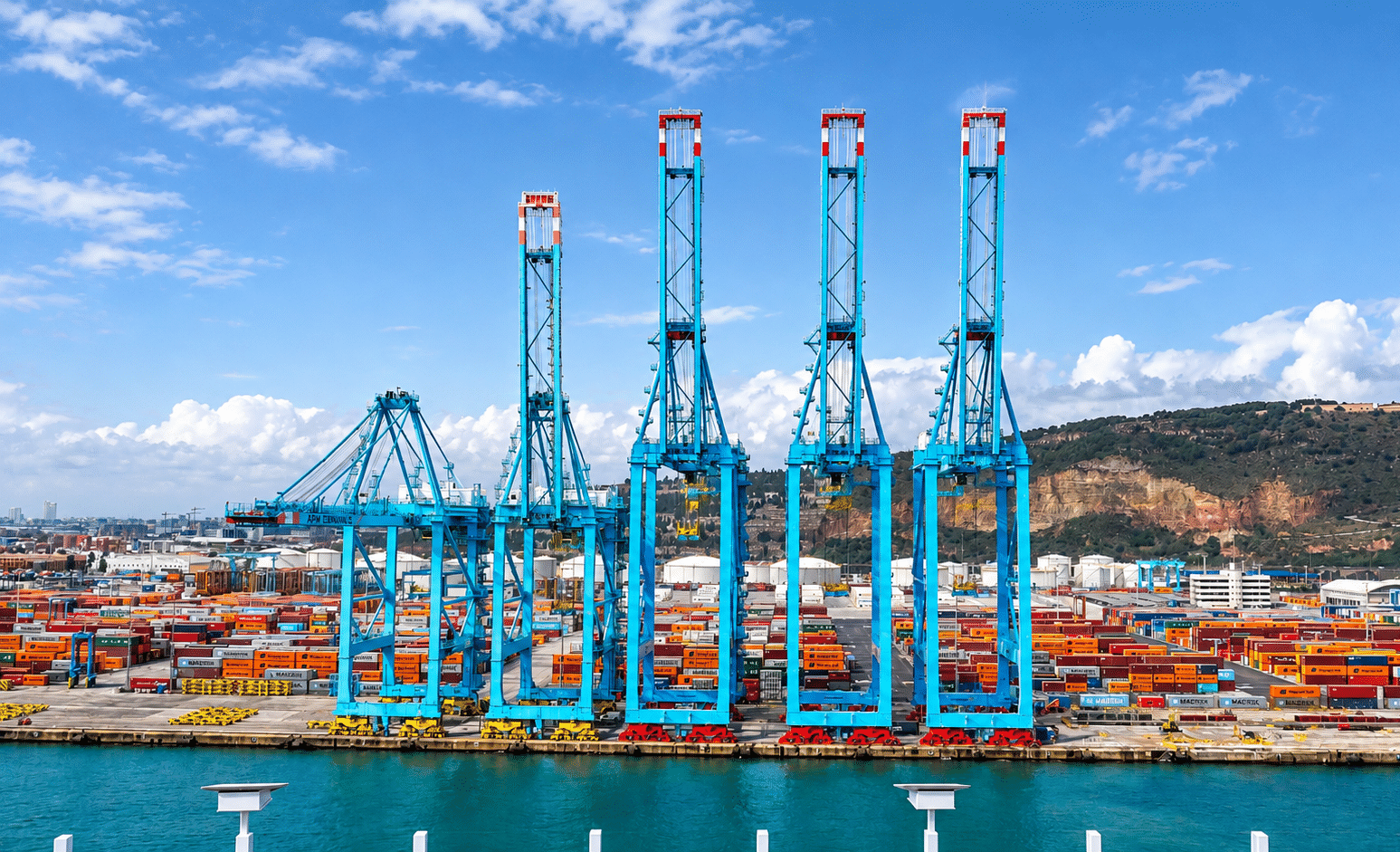
A 24-hour general strike in Spain on November 11 disrupted cargo operations at several major ports, including Algeciras, Valencia, and Barcelona. Although the strike was temporary, the disruption could result in lingering cargo backlogs, missed feeder connections, and delays as terminals work to resume normal operations.
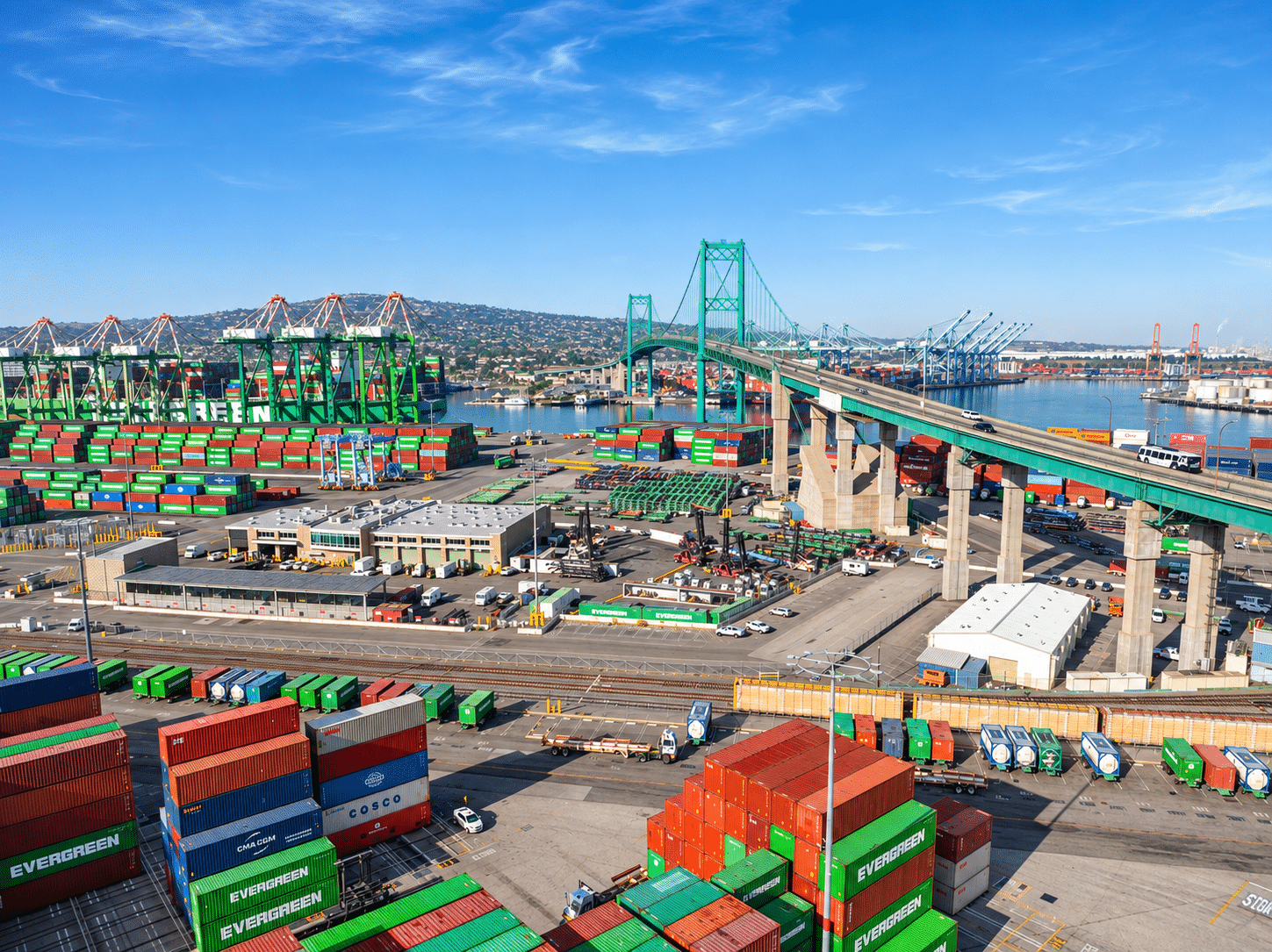
The Vincent Thomas Bridge in Los Angeles closed on Saturday, November 7, 2026, for an approximately 16-month bridge deck replacement project, with reopening targeted for early March 2028. While the Port of Los Angeles has confirmed that terminals will remain open and rail cargo operations are not expected to be affected, trucks that typically use the bridge must take alternate routes. Increased congestion on surrounding roads could result in longer transit times, less predictable pickup and delivery windows, and potential delays to terminal appointments, empty-container returns, and export deliveries.
Stay connected with the latest from OCEANAIR. Sign up for our newsletter to receive The Weekly Current, The Monthly Horizon, and OCEANAIR Tariff Talk — delivered straight to your inbox.