

APRIL 3, 2025

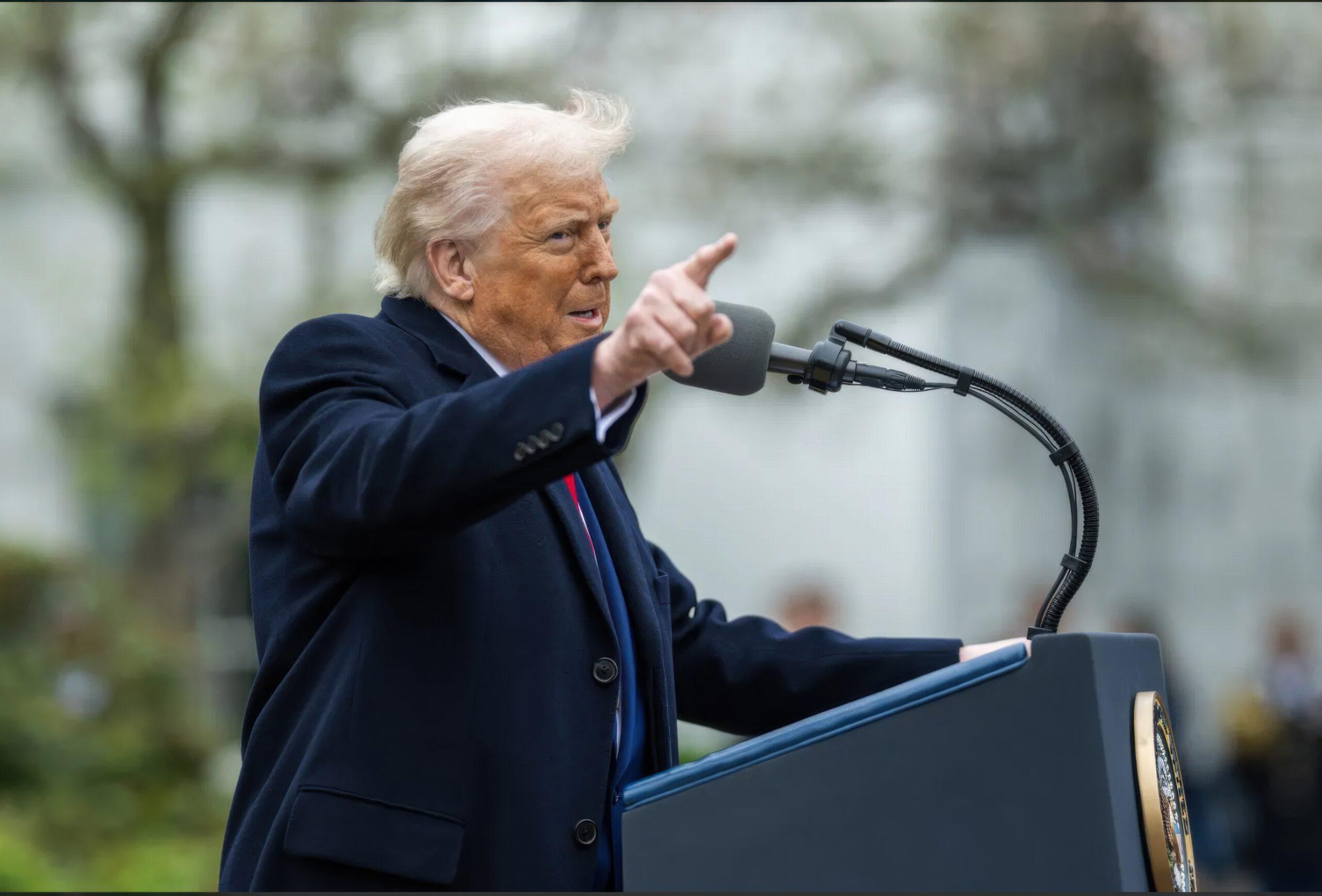
By now, we’ve all seen the press conference, news snippets, and charts listing countries and percentage rates. Following the conference, the White House released two new Executive Orders outlining the details of the global tariffs, which take effect at a starting rate of 10%. While there’s a lot to unpack, and official guidance from agencies is still pending—including tariff classifications and rules of application—these Executive Orders provide valuable insight into what lies ahead. The tariffs, aimed at addressing national security risks and trade imbalances in the implementation of Most Favored Nation (MFN) rates, are part of an effort to rebalance trade and encourage domestic manufacturing.
When
The 10% reciprocal tariff takes effect at 12:01 AM on April 5. Similar to the first round of tariffs under the Trump Administration, there is an exemption for goods already in transit. The tariff does not apply to goods loaded on their final vessel for international transit before April 5, protecting most shipments already on the water. Additionally, increased country-specific rates will take effect on April 9.
Who
The 10% reciprocal tariff applies globally beginning April 5. However, higher country-specific rates will be imposed on major trading partners starting April 9, including:
China – 34%
European Union – 20%
Japan – 24%
South Korea – 25%
Switzerland – 31%
Any country not on this list is subject to the 10% tariff, with Canada and Mexico as outliers.
What Is and Isn’t Included
The new tariffs apply broadly but exclude items already subject to Section 232 tariffs, such as steel and aluminum. Additionally, newly issued Section 232 tariffs on automobiles and auto parts remain exempt. The full list of excluded items includes copper, pharmaceuticals, semiconductors, lumber articles, certain critical minerals, and energy products—many of which are undergoing existing or newly launched Section 232 investigations.
Canada and Mexico are also exempt, provided the current pause on 25% IEEPA tariffs remains in place. If the pause is lifted, USMCA-qualified goods will still be exempt, along with energy products and potash. However, non-qualified goods will face a 12% tariff based on their non-U.S. content. Outside of USMCA, U.S.-origin content plays a role—any foreign-made item with over 20% U.S. content can deduct that percentage from the tariff calculation.
Additional Considerations
In line with recent Executive Orders, these tariffs are not eligible for duty drawback and apply in addition to any existing duties and tariffs—except for items under duty-free de minimis treatment. However, this preference will expire once systems are in place to manage e-commerce volumes and infrastructure for goods valued under $800. The second Executive Order issued yesterday specifically addresses China and de minimis treatment, signaling potential future changes.
What’s Next?
News outlets and social media are actively covering ongoing negotiations and potential retaliatory measures from other countries. OCEANAIR is closely monitoring any updates to the country list, tariff rates, or conditions. We will continue to keep clients informed via email and LinkedIn.
Stay connected with the latest from OCEANAIR. Sign up for our newsletter to receive The OCEANAIR Current, The Monthly Horizon, and OCEANAIR Tariff Talk — delivered straight to your inbox.