

MAY 8, 2025

It has been another relatively calm week in terms of new tariff developments. However, importers—regardless of size—are continuing to feel the effects of the increased tariff rates, particularly on goods originating from China.
Responses vary depending on the commodity, with some importers choosing to delay shipments at origin, others opting to re-export goods upon arrival, and in more severe cases, abandoning shipments at the port of entry altogether.
Booking volumes from China to the U.S. continue to decline, while blank sailings become increasingly common. Capacity on the Asia–U.S. trade lane is tightening rapidly.
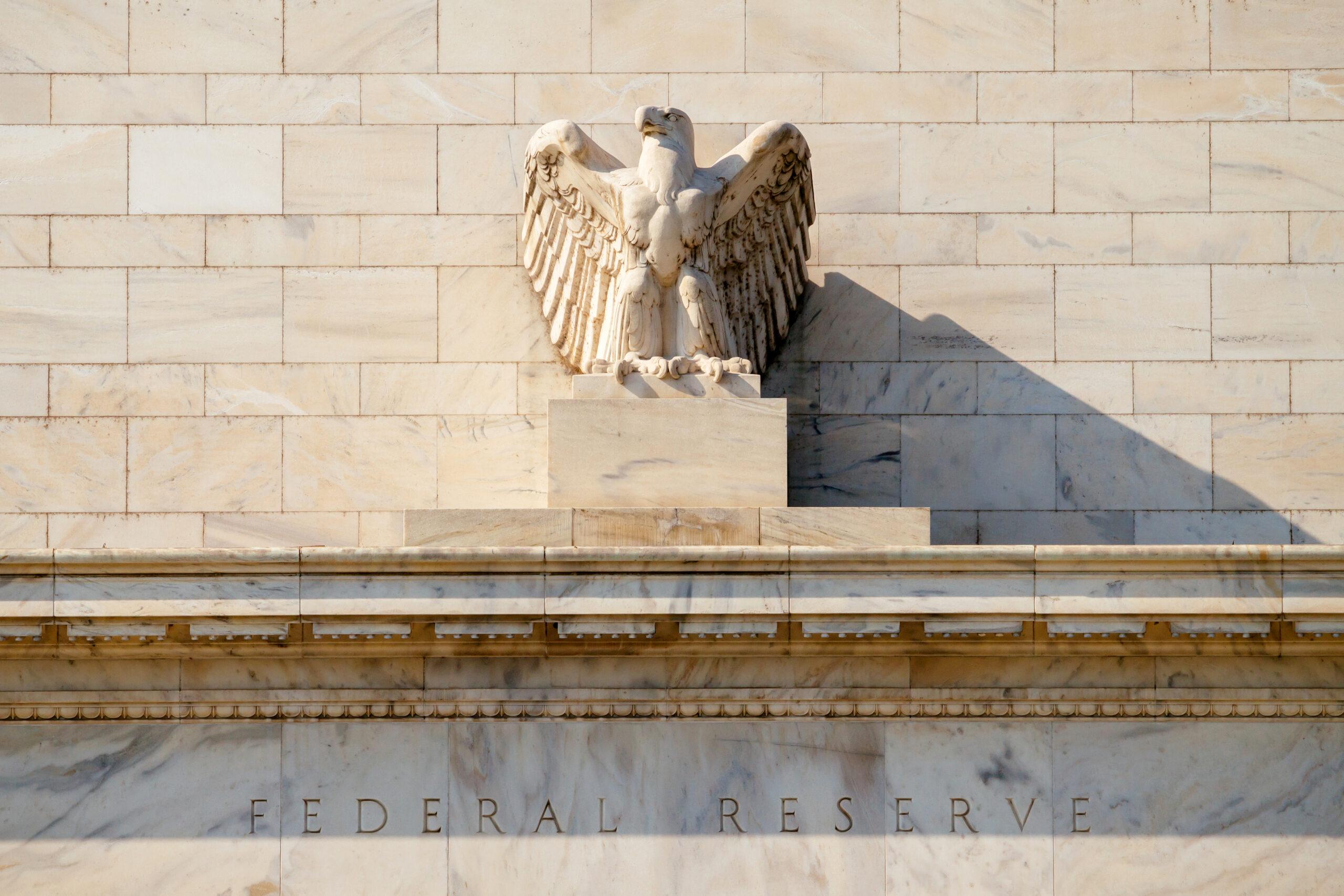
Amidst these ongoing challenges, the Federal Reserve held interest rates steady yesterday, defying the administration’s calls for a reduction—signaling continued caution. Meanwhile, the National Retail Federation has tempered its optimism from the previous month, noting that the “U.S. economy is solid for now.”
On a more hopeful note, there are indications that trade talks between the U.S. and China may resume in the coming days. The administration also reports progress on trade agreements with other nations. As always, the situation remains fluid—and only time will tell how it unfolds.

President Trump announced a new trade agreement with the UK today. A key highlight for U.S. importers is the easing of restrictions on steel and aluminum, as both nations agreed to an alternative arrangement that facilitates freer trade. However, the 10% reciprocal tariff implemented in April remains in place.
While tariff relief is limited, much of the agreement focuses on non-tariff measures—opening new opportunities for U.S. agriculture, industrial goods, and aerospace sectors in the UK market.
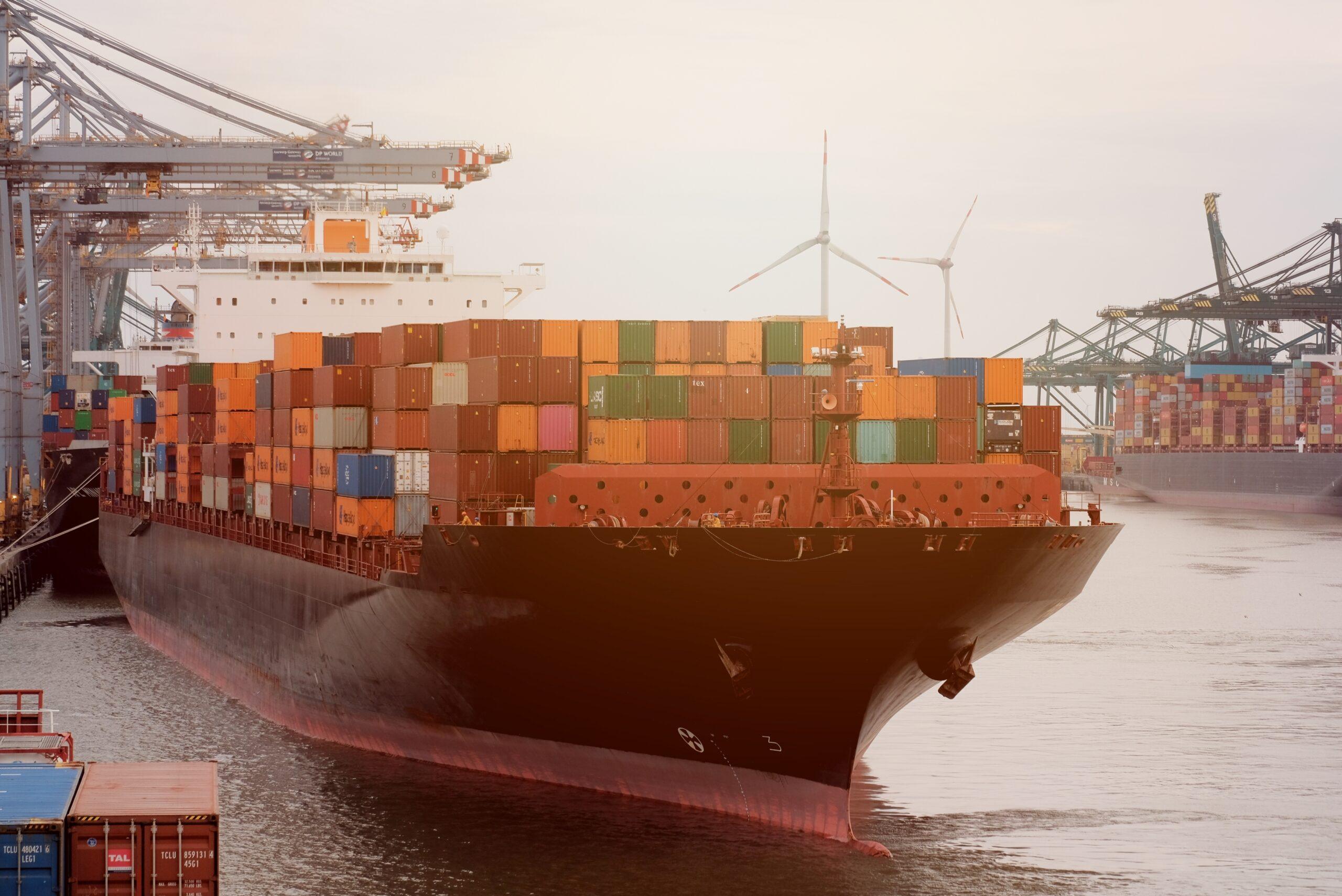
Ports across Northern Europe are experiencing severe congestion, with Antwerp operating at 96% yard capacity and reefer plugs exceeding 112%, leaving nearly half of incoming vessels waiting for berths. Similar disruptions are being reported in Bremerhaven, while Rotterdam, Felixstowe, London Gateway, and Southampton are facing significant delays due to vessel diversions.
The congestion stems from a combination of factors, including ongoing labor strikes in France and Belgium, scheduled seasonal maintenance, and a surge in Asian imports earlier this year. Industry experts anticipate these challenges will continue for another three to four months, as shipping alliances work to rebalance their networks.
Adding further strain, a record influx of redirected U.S.-bound cargo from China is currently in transit and is expected to exacerbate port conditions in the coming weeks.

A bipartisan group of federal lawmakers has introduced the Combating Organized Retail Crime Act of 2025 (CORCA) in response to the rising frequency and sophistication of theft targeting trailers and shipping containers.
Sponsored by Senators Chuck Grassley (R-Iowa) and Catherine Cortez Masto (D-Nevada), along with several House members, the legislation aims to strengthen existing laws and improve collaboration between law enforcement agencies, shippers, and carriers.
A key component of the bill is the creation of an Organized Retail and Supply Chain Crime Coordination Center within the Department of Homeland Security. This new center would serve as a national hub for sharing intelligence and supporting federal investigations into organized cargo theft.
Stay connected with the latest from OCEANAIR. Sign up for our newsletter to receive The OCEANAIR Current, The Monthly Horizon, and OCEANAIR Tariff Talk — delivered straight to your inbox.