

MAY 22, 2025

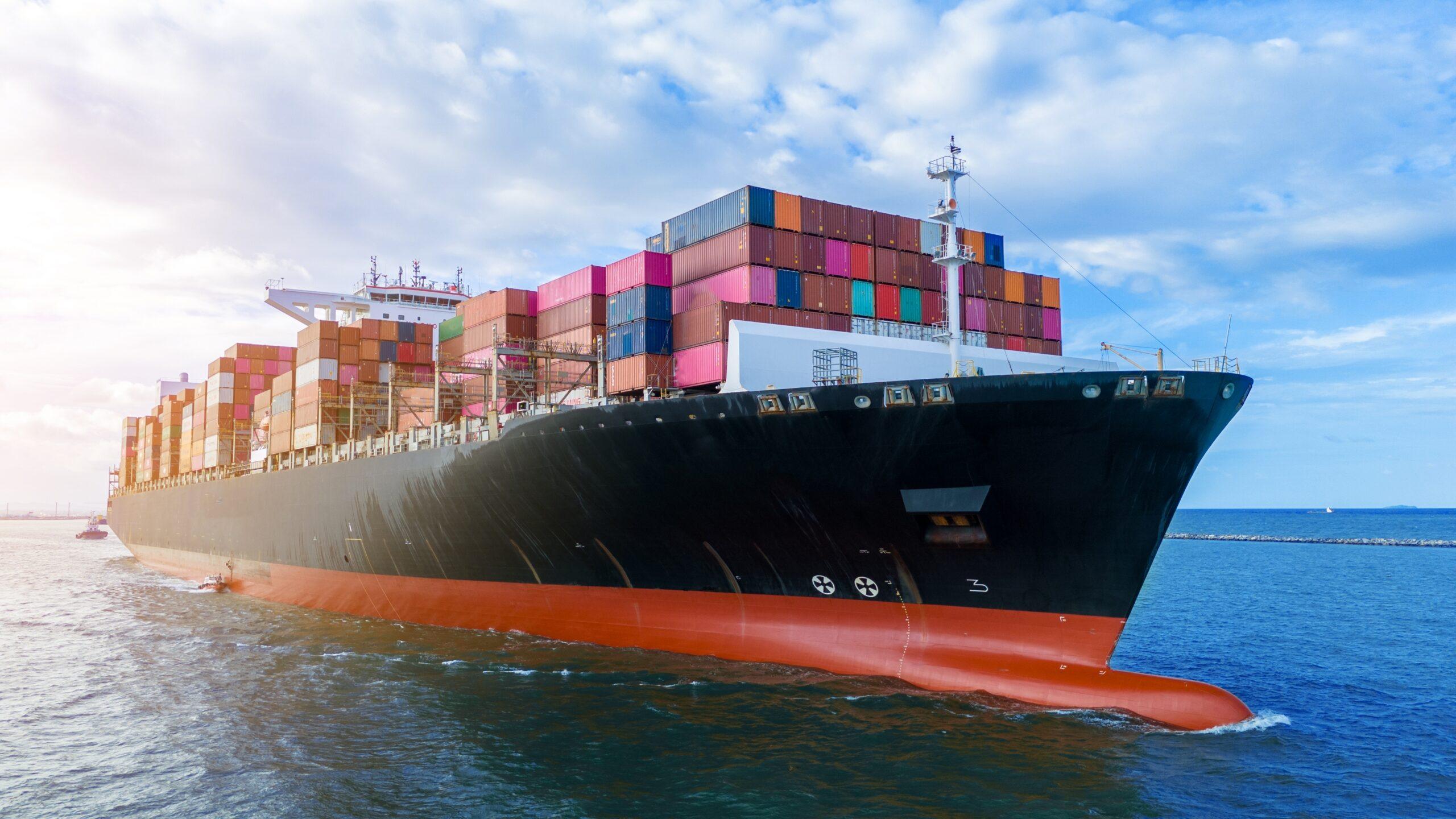
The transpacific shipping lane continues to heat up following the recent pause on tariffs, which has coincided with the traditional peak season. Some sources now suggest that current volume levels could potentially surpass the highs seen during the COVID-era shipping boom.
In response, steamship lines from East Asia have added significant capacity to accommodate the surge in bookings. This sharp increase in demand has already begun tightening available space and driving up freight rates.
While the focus is often on ocean carriers, it’s important to note that airfreight capacity has also been heavily impacted, as shippers rush to move product into the U.S. Carriers across both modes are announcing substantial rate hikes set to take effect on June 1, 2025.
Looking ahead, the next major concern is congestion. A growing influx of container ships and elevated volumes at U.S. terminals could lead to significant delays in cargo recovery and inland transfers. Shippers should prepare for longer dwell times and increased driver wait times as freight begins arriving at U.S. ports.
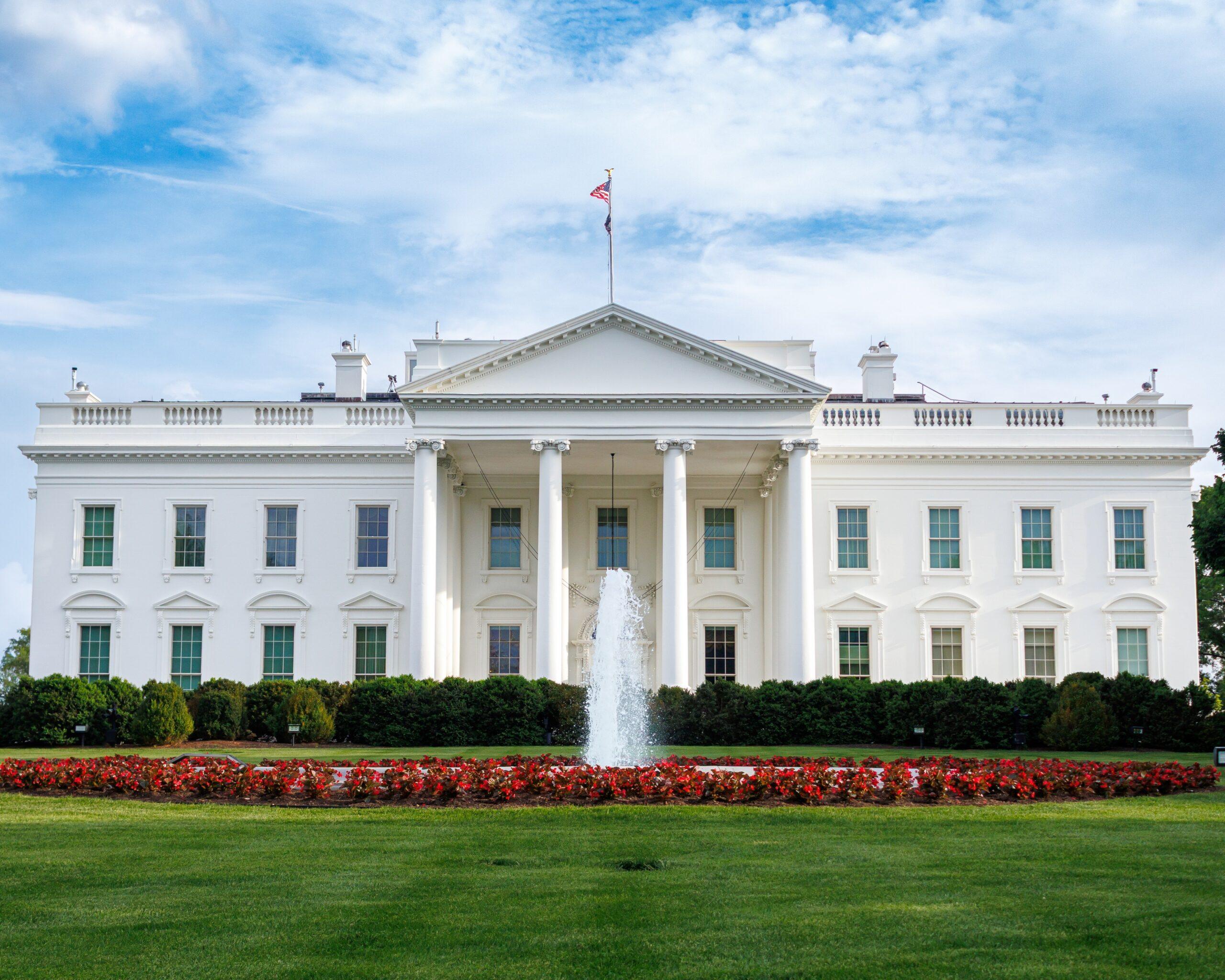
With the 90-day reciprocal tariff pause now just past its midpoint, only one country has established a clear path forward with the U.S., agreeing to maintain a 10% rate—matching the current paused rate.
The White House has confirmed that countries not engaging in good faith negotiations will see tariffs revert to pre-pause reciprocal rates.
As the industry heads into the critical Q3/Q4 period and the holiday shipping season, attention is also focused on the status of the China tariff pause. Both sides have expressed concerns, and reports suggest that not all categories of goods may have been paused, raising further uncertainty about the durability of the agreement.

Recent regulatory actions by the governments of India and Pakistan have significantly disrupted trade across South Asia. Both nations have implemented strict restrictions on cargo movement, including bans on direct vessel calls and transit shipments involving one another.
India has prohibited all Pakistan-origin containers—including those in transit or marked for transshipment—from entering its ports. Vessels carrying such cargo are barred from berthing unless the Pakistan-origin goods are offloaded elsewhere. In response, Pakistan has banned the import and transit of Indian-origin goods, even if routed through third countries, and has further restricted exports transiting its territory to India.
These developments have caused major disruptions in ocean service, leading to delayed sailings, rising port congestion, equipment shortages, and a growing backlog of bookings. Carriers are facing space shortages across all Indian trade lanes, with emergency surcharges expected to take effect starting June 1.

The U.S. Department of Transportation (DOT) has launched a crackdown on truck drivers who lack English-language proficiency (ELP), warning that employing such drivers will become “very costly” for carriers.
Drivers who cannot speak English face immediate removal from the road, as the DOT moves to enforce federal regulations requiring commercial drivers to be proficient in English. Starting June 25, any driver unable to communicate with law enforcement during roadside inspections or at weigh stations will be placed out of service on the spot.
The policy shift is expected to create significant challenges across the freight industry. Shippers, carriers, and drivers may face delayed loads, tighter truck capacity, and disruptions to driver hours of service.
Supporters argue that the measure will improve highway safety and emphasize that English proficiency is already a legal requirement for commercial drivers.
Stay connected with the latest from OCEANAIR. Sign up for our newsletter to receive The OCEANAIR Current, The Monthly Horizon, and OCEANAIR Tariff Talk — delivered straight to your inbox.