

JULY 10, 2025


Negotiations around tariffs are expected to stretch over the coming weeks. While there has been some progress with select trade partners, many key issues remain unresolved. The extension of the tariff pause to August 1 has provided temporary relief, but it also prolongs uncertainty for the importing community.
Despite these trade tensions, the U.S. inflation rate remains steady at 2.4%, and markets continue to show resilience—returning to levels seen in February 2025. We are closely monitoring container rates and shipping volumes, as early signs suggest peak season may arrive ahead of schedule.

In 2024, U.S. Customs and Border Protection (CBP) intercepted approximately $762 million worth of counterfeit goods at the time of import. The most commonly seized item by quantity was handbags (5.1 million units)—driven in part by the ongoing Birkin craze, which has fueled a surge in knockoffs. By manufacturer’s suggested retail price (MSRP), sunglasses topped the list at $414 million.
The pharmaceutical sector ranked second in both volume and value, with $130 million in seizures—down from 2023, when pharmaceuticals made up nearly 50% of all counterfeit interceptions. Notably, over 90% of all 2024 seizures by volume were e-commerce-based, low-value small package shipments, with China accounting for 79% of the origin.
The risk to trade lies in intellectual property infringement, but the deeper danger is to consumers: counterfeit products often lack proper testing and can contain hazardous materials, including forever chemicals or unsafe components. CBP highlights examples such as pharmaceuticals and personal care products (e.g., perfumes, makeup) that include harmful or unnecessary additives, as well as automotive parts like airbags that have not undergone safety testing.
Consumers should be aware that purchasing counterfeit goods is illegal, and bringing them into the U.S. may lead to civil or criminal penalties, including fines of up to $2 million, 10 years in prison, or both. CBP encourages the public to report counterfeit, forced labor, or duty evasion concerns via its online e-Allegations reporting tool.
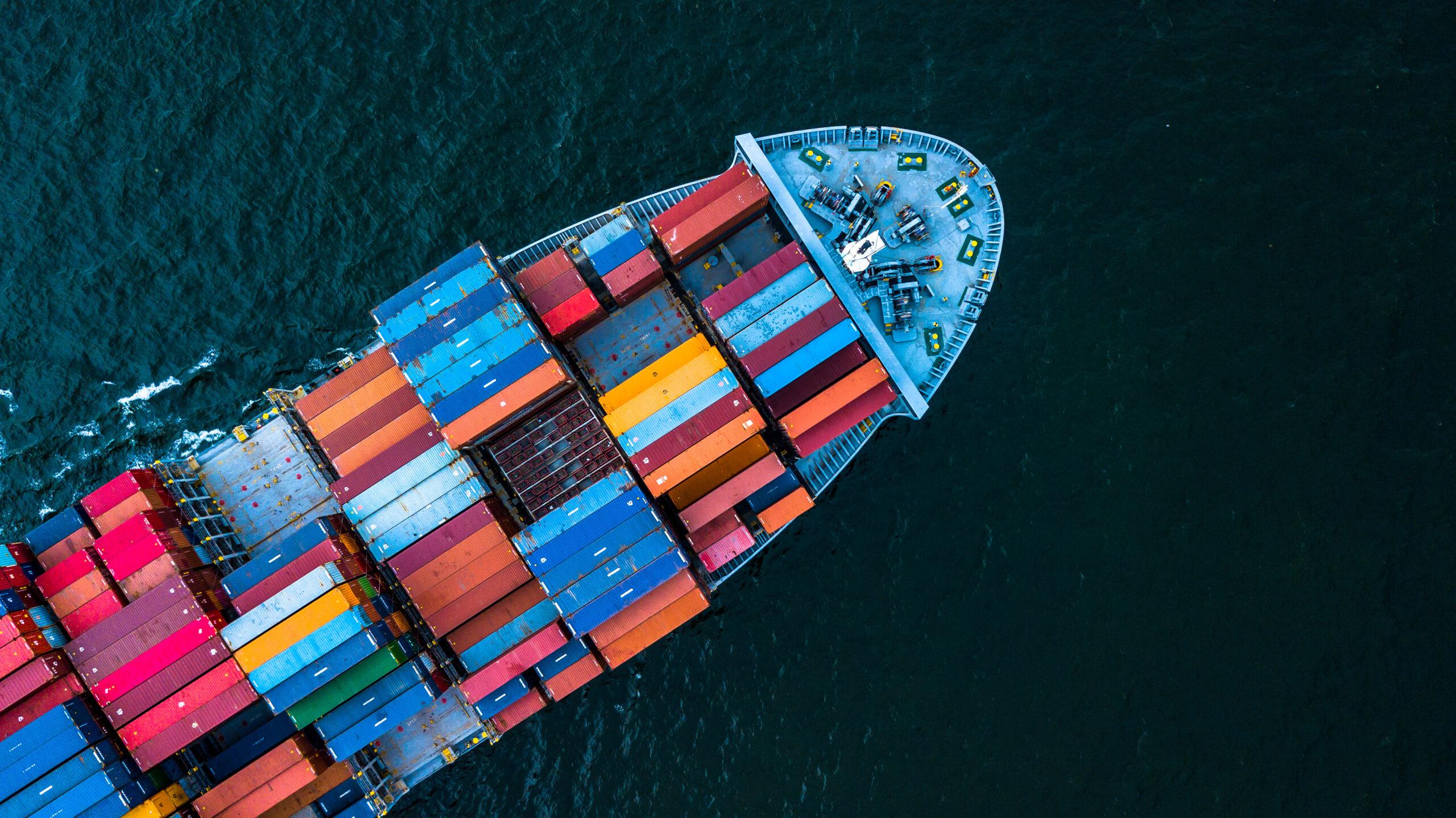
Several container shipping lines are set to reduce trans-Pacific capacity in August in response to declining freight rates and softer U.S. import demand from retailers. This strategic move is intended to counteract an oversupply of vessel space brought on by weakening market conditions.
By scaling back capacity, carriers aim to stabilize rates and better align supply with current demand. However, the cutbacks could result in tighter space availability for shippers, particularly as the industry approaches what is traditionally considered peak season.
Stay connected with the latest from OCEANAIR. Sign up for our newsletter to receive The OCEANAIR Current, The Monthly Horizon, and OCEANAIR Tariff Talk — delivered straight to your inbox.