

DECEMBER 3, 2025

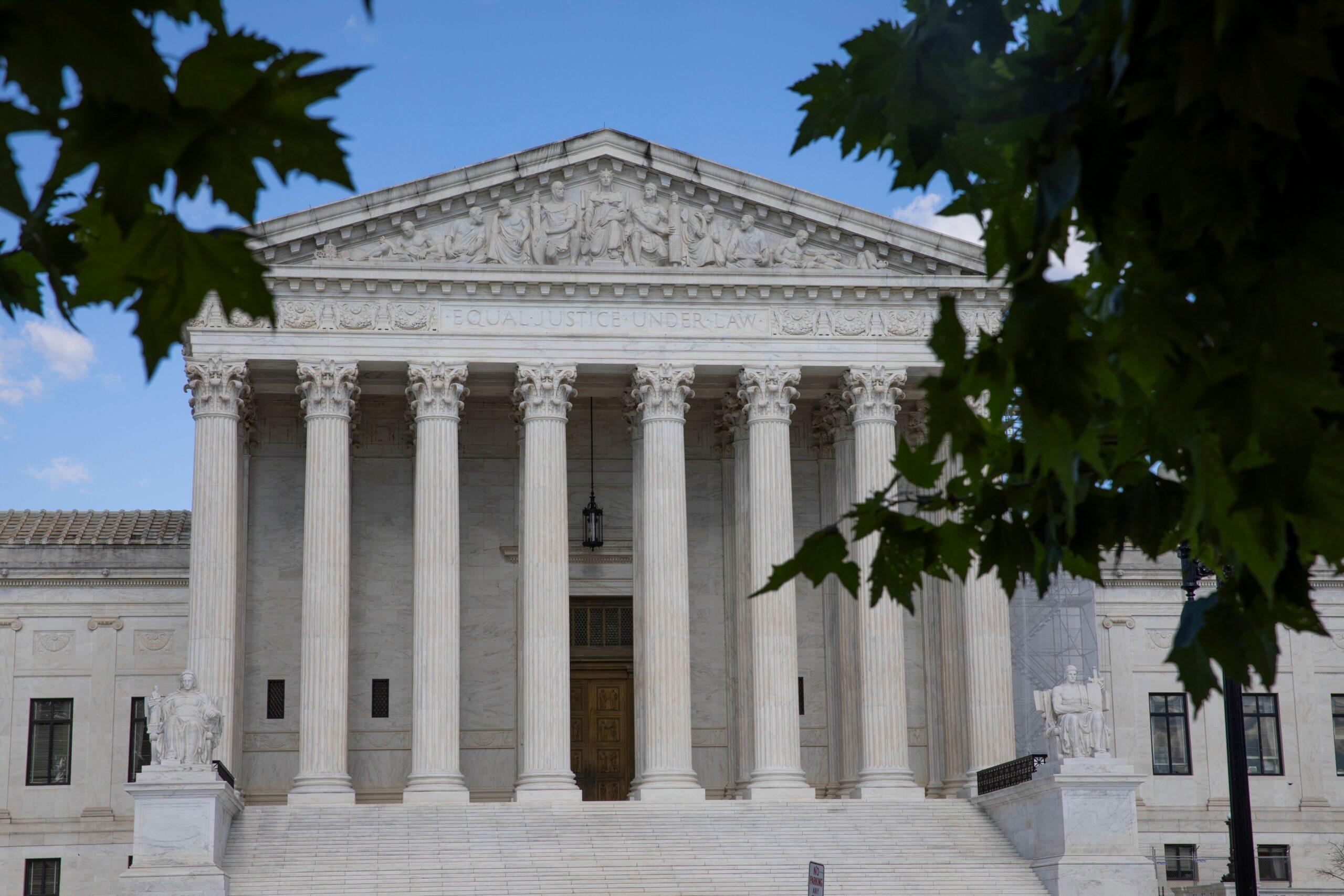
The subject of tariffs isn’t going away. However, the chaos brought on by the introduction of reciprocal and IEEPA tariffs has calmed, with attention now turning to the Supreme Court for potential reprieve—and potential refunds—of these new tariffs.
Importer focus has shifted to planning costs under these tariffs, treating today’s rates as the “worst-case scenario.” While the timetable remains unclear, importers are hoping the high court will rule that imposing IEEPA tariffs under the guise of national security falls outside presidential authority. With news coverage highlighting lawsuits filed by major importers, there is growing clamor to secure refunds.
Many are concerned that once their entries liquidate—finalizing the calculation of duties—they won’t be able to recover tariffs paid if the Court later rules against them. Recent articles and blogs have cited December 15 as an estimated timeline for the first liquidations of entries subject to the China IEEPA (fentanyl) tariffs. Because there are no court findings yet, all imports subject to the tariffs must continue to pay. Entries will process and liquidate according to standard regulations. Import regulations allow for multiple avenues to recover overpaid duties depending on how much time has passed since entry; prior to liquidation, the simplest method is a Post Summary Correction (PSC), with protests available for up to six months after liquidation.
Should a ruling determine that importers are due refunds, the process may fall outside routine customs procedures; the only way to know for sure is to wait. There is potential for special timelines or new filing requirements to be introduced.
While we wait, importers should review their entry data and documentation for accuracy. In seeking refunds, they open themselves up to potential review by U.S. Customs. Importers should ensure their classifications, valuation, rules of origin, and related documentation—both their own and what is prepared by their shippers—are accurate. They should also reach out to their brokers to ensure they are staying current and preparing for possible changes. It will be in CBP’s interest to ensure all rightful duties are paid, including 232 duties missed due to misclassification or improper valuation deductions. Now is the time to review best practices for documentation, revisit HTS classifications, and read informed compliance materials related to your commodities.
Whether you follow Jackie Chan or Maya Angelou, the message on tariffs is clear heading into 2026: prepare for the worst and hope for the best.
Stay connected with the latest from OCEANAIR. Sign up for our newsletter to receive The OCEANAIR Current, The Monthly Horizon, and OCEANAIR Tariff Talk — delivered straight to your inbox.