

APRIL 10, 2025


In what may be one of the most hectic and challenging weeks in U.S. supply chain history—with tariffs appearing and disappearing and duty rates fluctuating daily—importers and Customs Brokers have been under immense pressure. OCEANAIR’s entry writers and compliance team have been working closely with U.S. Customs and Border Protection (CBP) and our importers to ensure that customs entries are processed correctly and as quickly as possible. While some uncertainties remain, cargo is moving. If you have any questions, please don’t hesitate to contact our compliance team.
One of the key points noted under the Maritime Action Plan (MAP) Executive Order is CBP’s intent to begin collecting the Harbor Maintenance Fee (HMF) on shipments entering the U.S. by rail or truck from Canada or Mexico, if those shipments initially arrived in those countries via ocean freight. Full details on the implementation timeline and process have yet to be released.
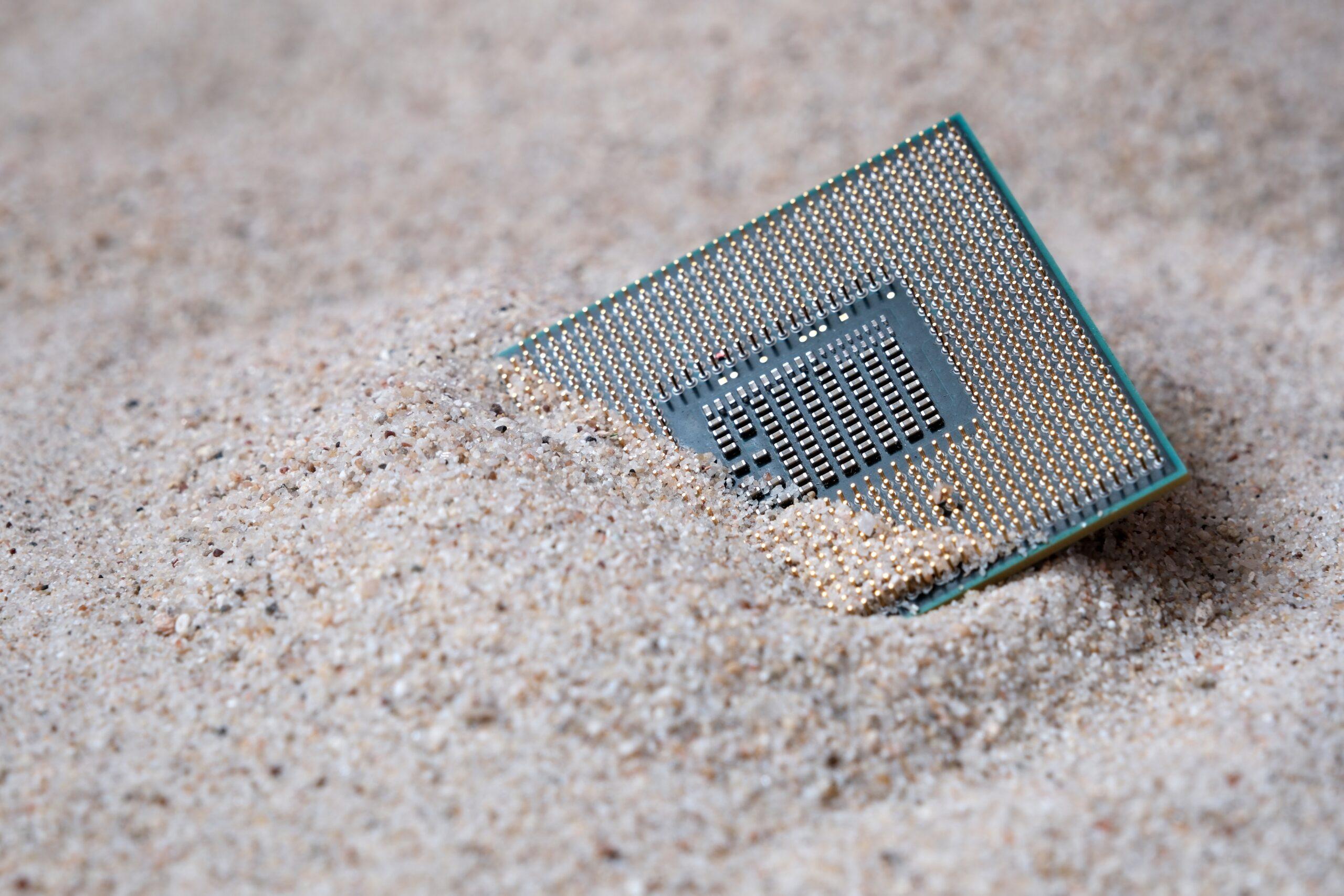
In response to recent U.S. trade actions, China has retaliated with a steep 84% tariff and a halt on exports of critical minerals such as gallium, germanium, and antimony—materials essential to a range of high-tech and defense applications. Meanwhile, the EU has temporarily suspended its own 25% retaliatory tariffs on U.S. agricultural and industrial goods for 90 days, following a pause initiated by the Trump administration.

Cargo bookings on vessels from Asia to the U.S. have dropped by 20% to 30%, as importers delay the receipt of non-essential freight in response to global tariffs imposed by the Trump administration. Rather than canceling shipments outright, many importers are opting to suspend them, contributing to a climate of uncertainty that is disrupting import forecasts. U.S. retailers have begun downgrading their projections for the coming months as they navigate the shifting trade landscape. Despite the decline in bookings, ocean carriers have yet to significantly reduce capacity, though some sailings to Southern California and Pacific Northwest ports have been canceled.
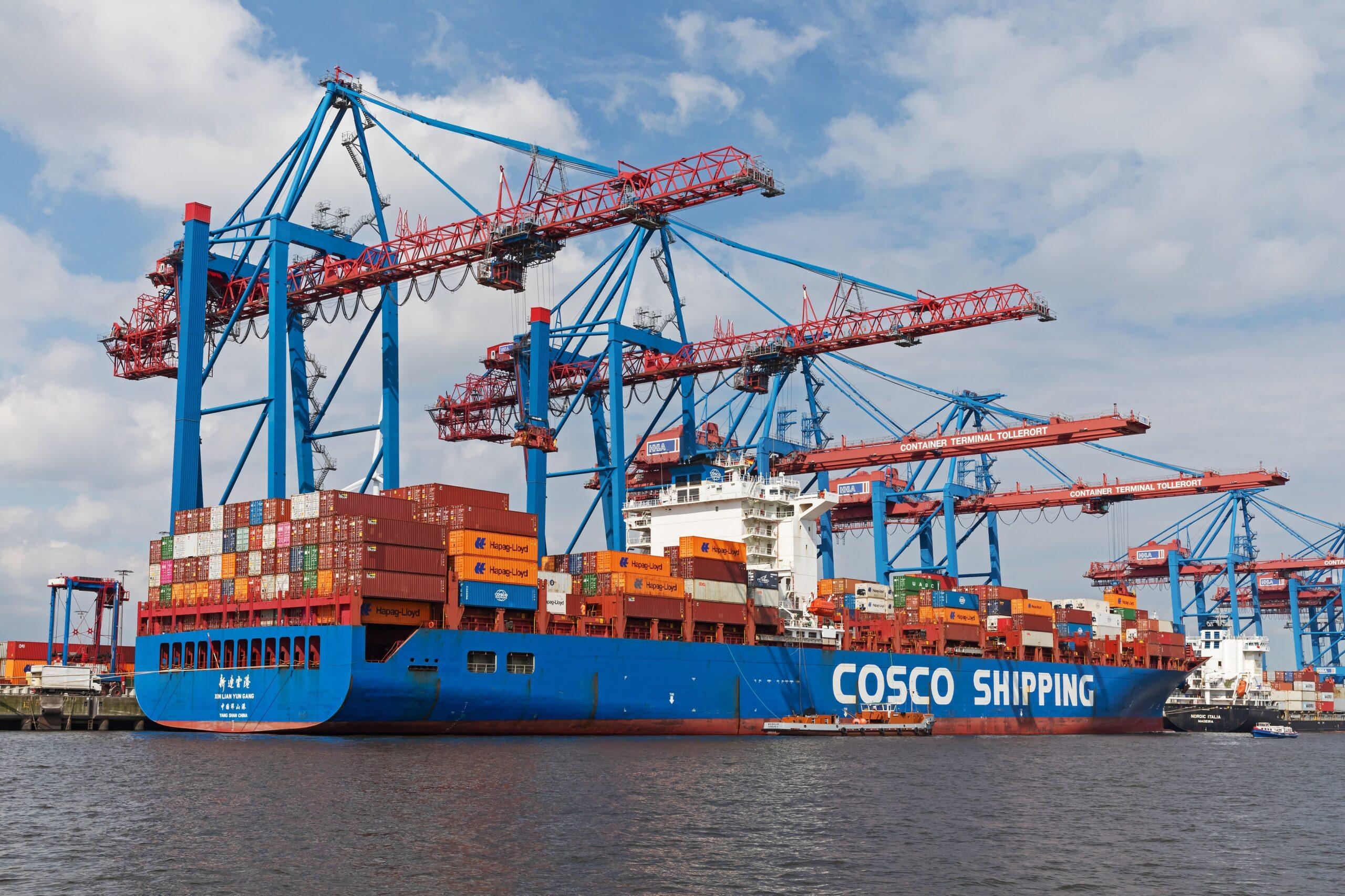
The U.S. government is reconsidering its proposed fees on Chinese-linked vessels docking at American ports, following strong opposition from key industries such as coal and agriculture. In response to the backlash, the Trump administration is exploring possible adjustments, including delaying the rollout or revising the fee structure. Alternatives under consideration include basing fees on the number of Chinese-built ships a company operates or on the tonnage of cargo unloaded, rather than applying a flat fee. These changes are aimed at easing the financial burden on U.S. exporters who rely heavily on these vessels. Some sources indicate the proposal—originally projected to cost up to $3 million per port call—may ultimately not be fully implemented.
Stay connected with the latest from OCEANAIR. Sign up for our newsletter to receive The OCEANAIR Current, The Monthly Horizon, and OCEANAIR Tariff Talk — delivered straight to your inbox.