

MARCH 19, 2026


The conflict in the Middle East continues to affect world trade, and the Strait of Hormuz remains severely impacted due to the threat of vessel attacks. On average, the area typically sees 120 transits per day; however, over the past 15 days, the total number of ships crossing the same area has been only 90. Vessels continue to reroute, extending transit times and increasing expenses.
On a lighter note, today marks the start of the NCAA March Madness tournaments. Although it is a great source of camaraderie in many offices and homes across the U.S., it is also said to decrease employee productivity in U.S. firms, with approximately 26% of staff expected to call off work to watch the games or participate in March Madness activities.
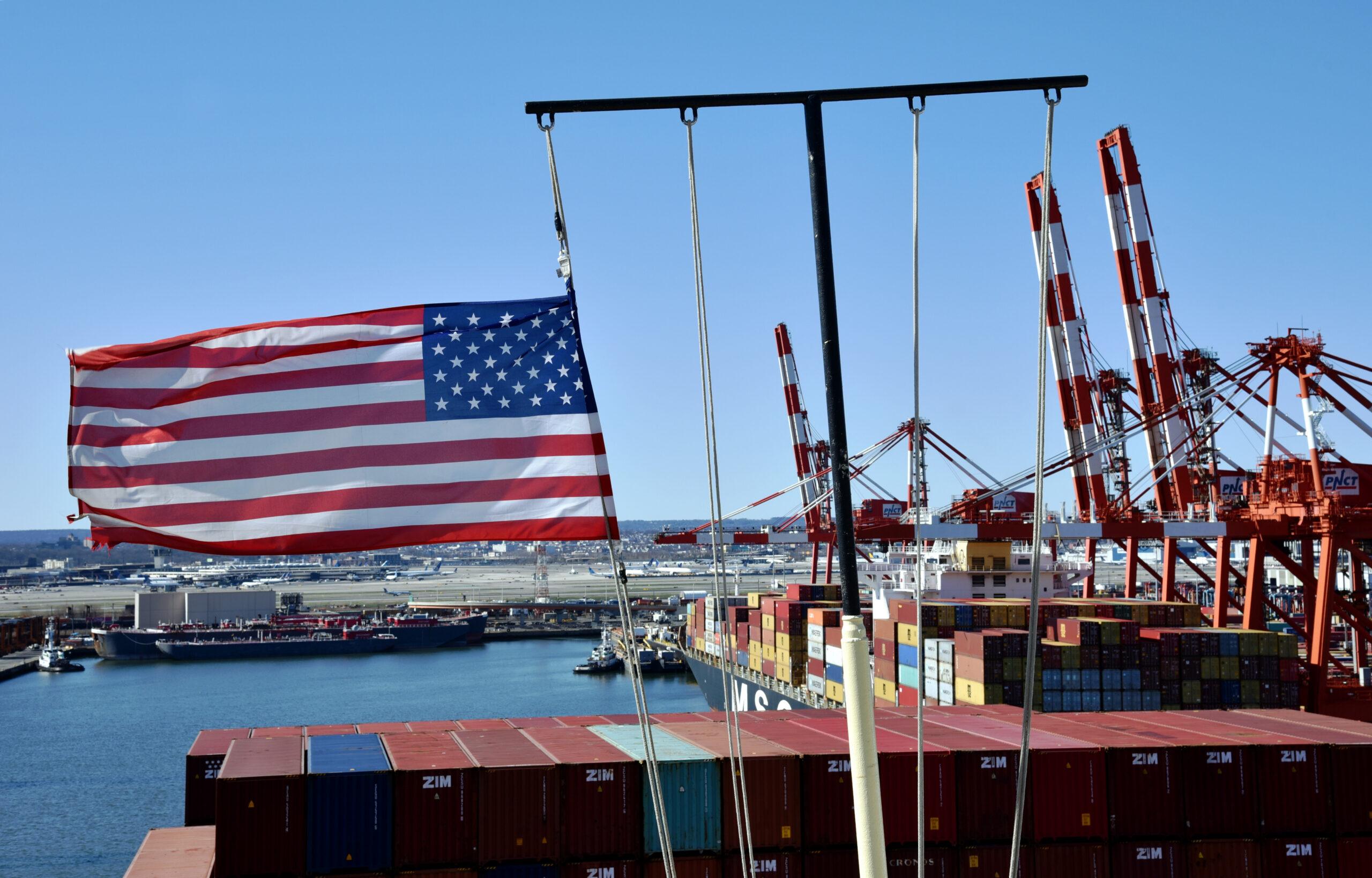
On Wednesday, March 18, the U.S. government announced it would temporarily suspend the Jones Act—a law requiring that goods shipped between U.S. ports travel on American-built, owned, and crewed vessels—for 60 days in response to rising fuel prices and supply disruptions tied to conflict involving Iran. The waiver allows foreign ships to transport fuel, fertilizer, and other commodities domestically, aiming to ease logistical bottlenecks and reduce energy costs, particularly along routes such as the Gulf Coast to the East Coast.
Stay connected with the latest from OCEANAIR. Sign up for our newsletter to receive The OCEANAIR Current, The Monthly Horizon, and OCEANAIR Tariff Talk — delivered straight to your inbox.