

MARCH 12, 2026

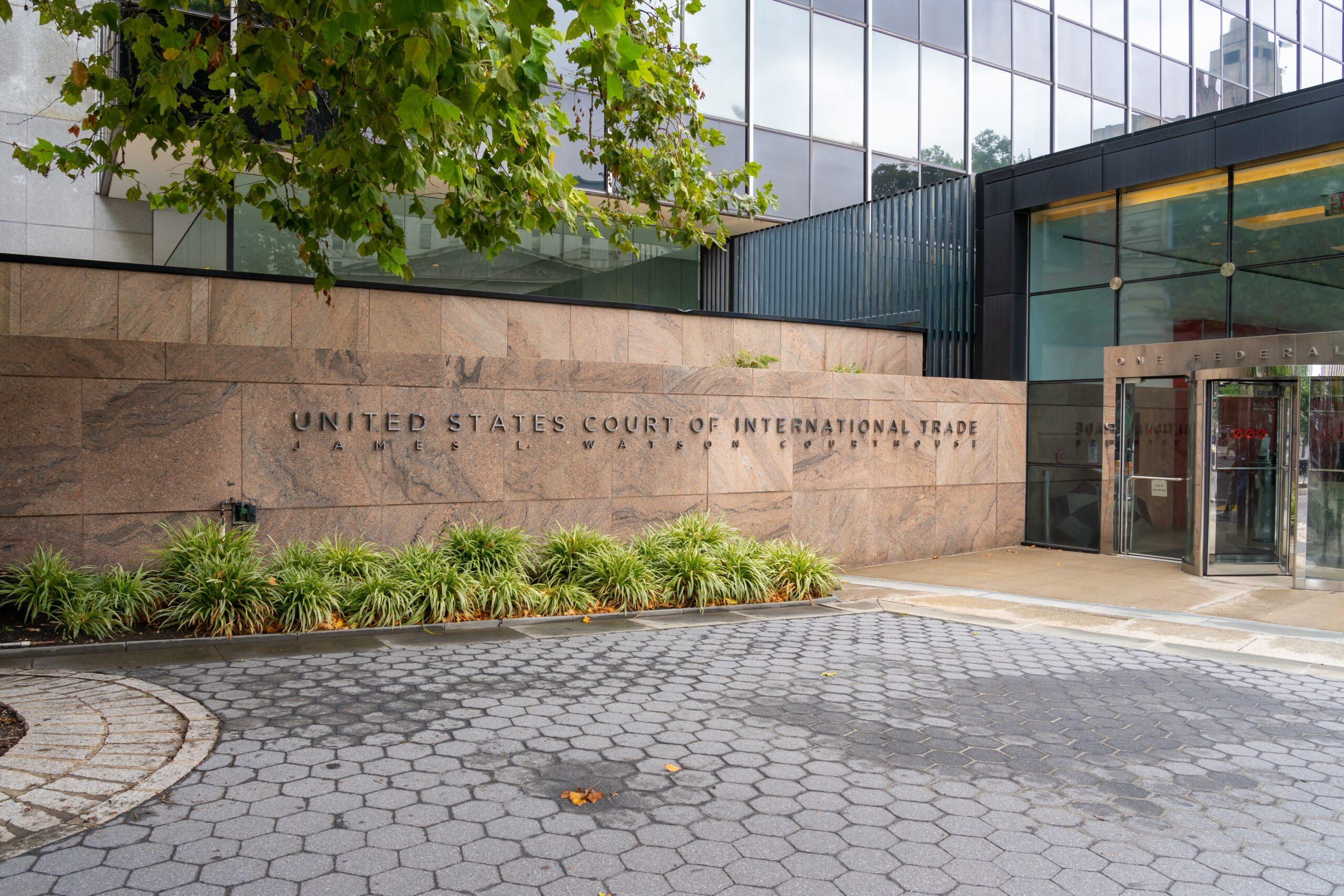
With some of the dust settled from the Supreme Court ruling on IEEPA tariffs and the U.S. Court of International Trade (CIT) ruling that refunds should be issued, we are still waiting for official notice from either the administration or Customs and Border Protection (CBP) that they intend to appeal the CIT’s orders. CBP has informed the CIT that they need at least 45 days to program the CBP Automated Commercial Environment (ACE), and no refunds will be issued until this process is completed. In the interim, we recommend all importers protest any entries that have already liquidated with IEEPA tariffs, as well as entries that liquidate during this waiting time. OCEANAIR is providing full IEEPA reports to all customers who have imported with us over the last 13 months. If you have not received one yet, please contact your sales representative for a copy. OCEANAIR can also assist with filing protests on an importer’s behalf, and these details are being provided with the IEEPA reporting.
With IEEPA tariffs in the rearview mirror and Section 122 on task until July, the USTR is seeking new measures to implement country by country tariffs. The USTR investigation announced this week looks to use Section 301 tariffs to address “structural excess capacity and production” and how that impacts the U.S. Similar actions were taken against China, and still exist today, during the first Trump administration. The economies subject to the Section 301 investigations include China, the European Union, Singapore, Switzerland, Norway, Indonesia, Malaysia, Cambodia, Thailand, South Korea, Vietnam, Taiwan, Bangladesh, Mexico, Japan, and India.
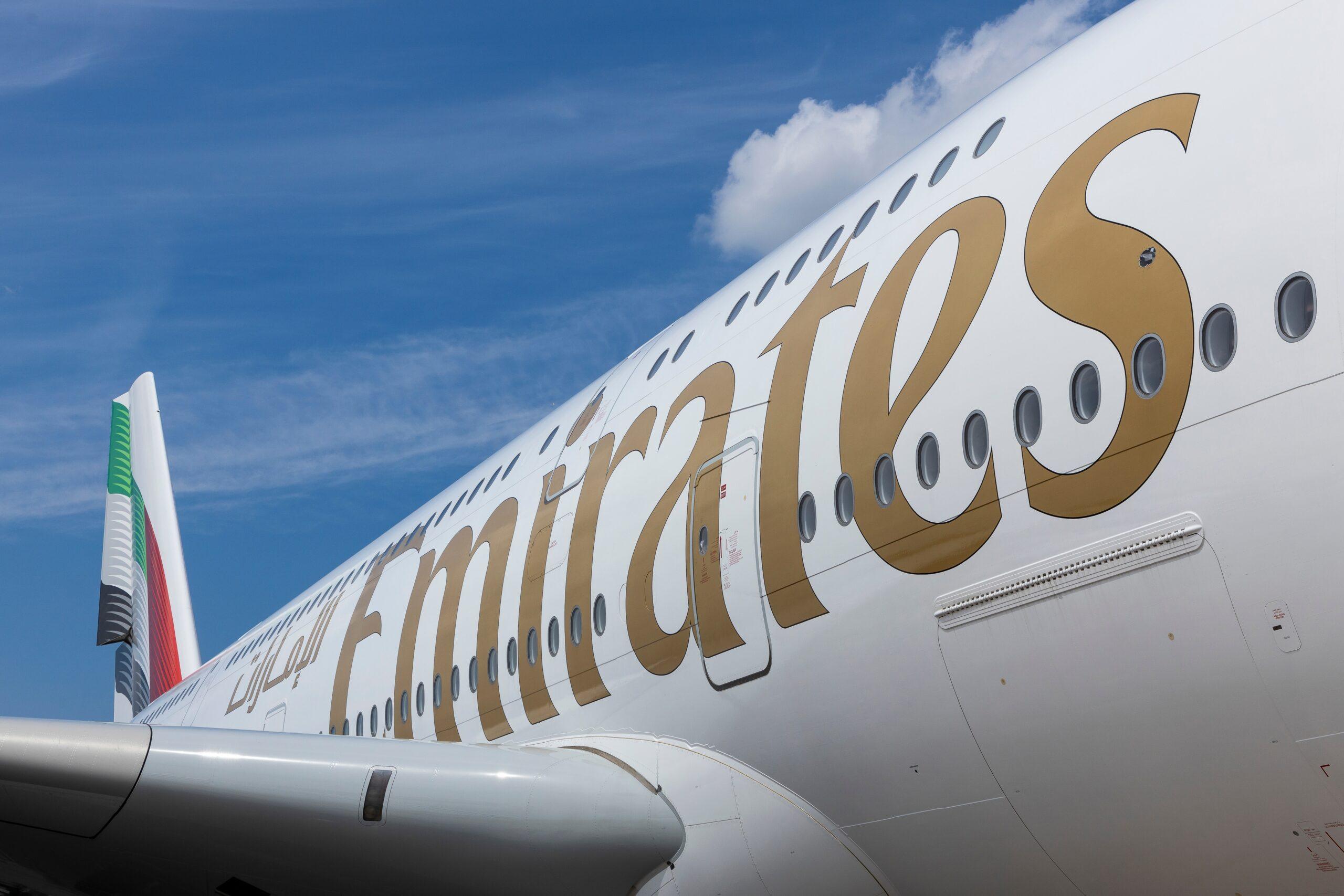
While the conflict in the Middle East continues, Emirates Airways has resumed limited operations to and from Dubai Airport, including freighter flights serving Chicago. This move helps ease the global cargo capacity constraints experienced in recent days. However, rates continue to climb due to increasing fuel costs.
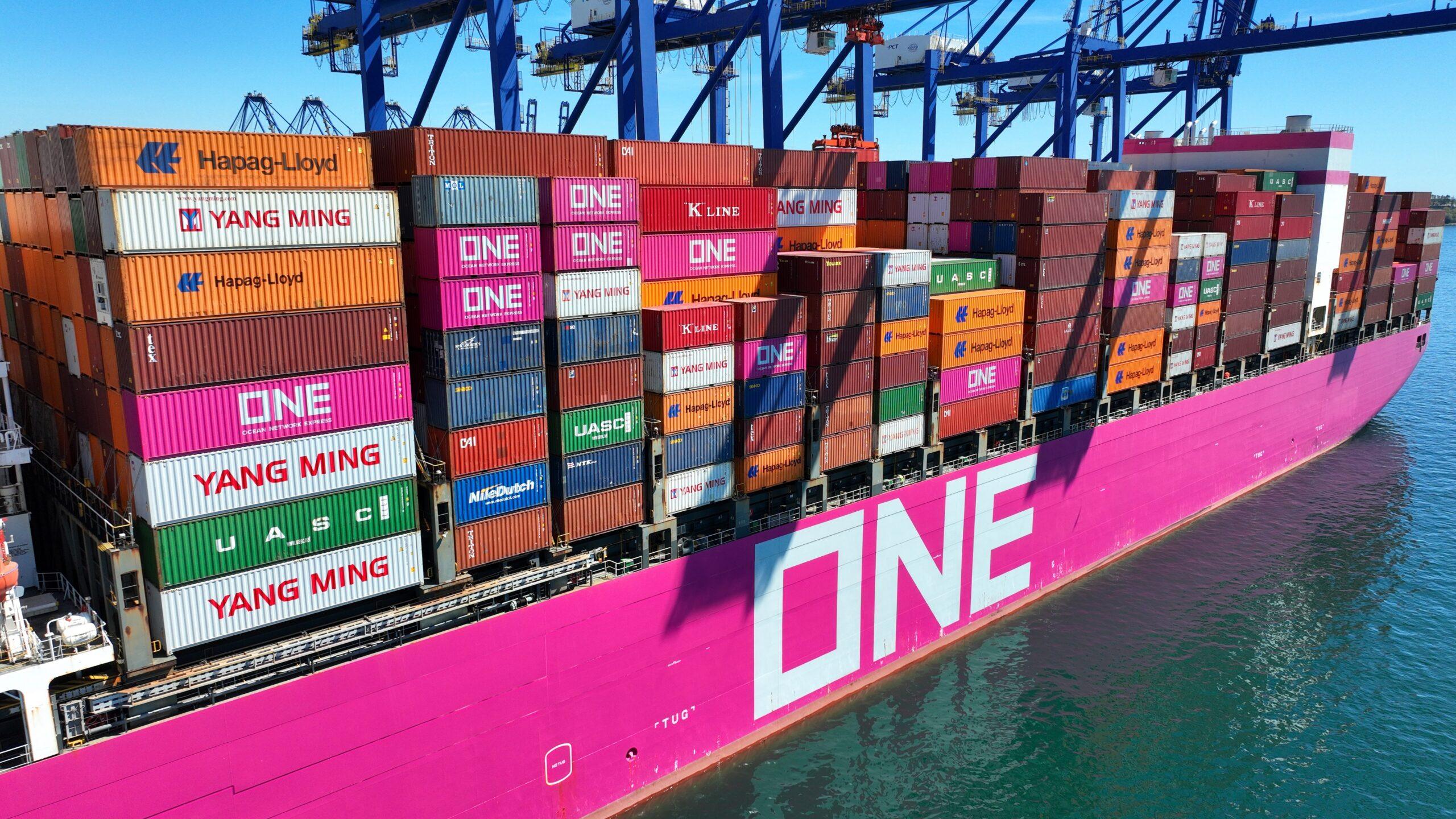
Recent attacks on merchant vessels in the Strait of Hormuz have intensified maritime security concerns as the broader regional conflict continues. Several cargo ships transiting the strategic waterway were struck by projectiles or explosive devices, highlighting the growing risks to global shipping and energy supply routes. Among the affected vessels was the container ship ONE Majesty, operating between West India and the U.S. East Coast, which sustained minor above-waterline damage after being hit by an unidentified projectile while transiting near the strait. Fortunately, no crew injuries were reported, and the vessel remained operational. The incidents, which also involved other cargo ships and tankers in the area, have disrupted shipping traffic through the passage that carries roughly 20% of the world’s oil trade, raising fears of further escalation and supply chain impacts.
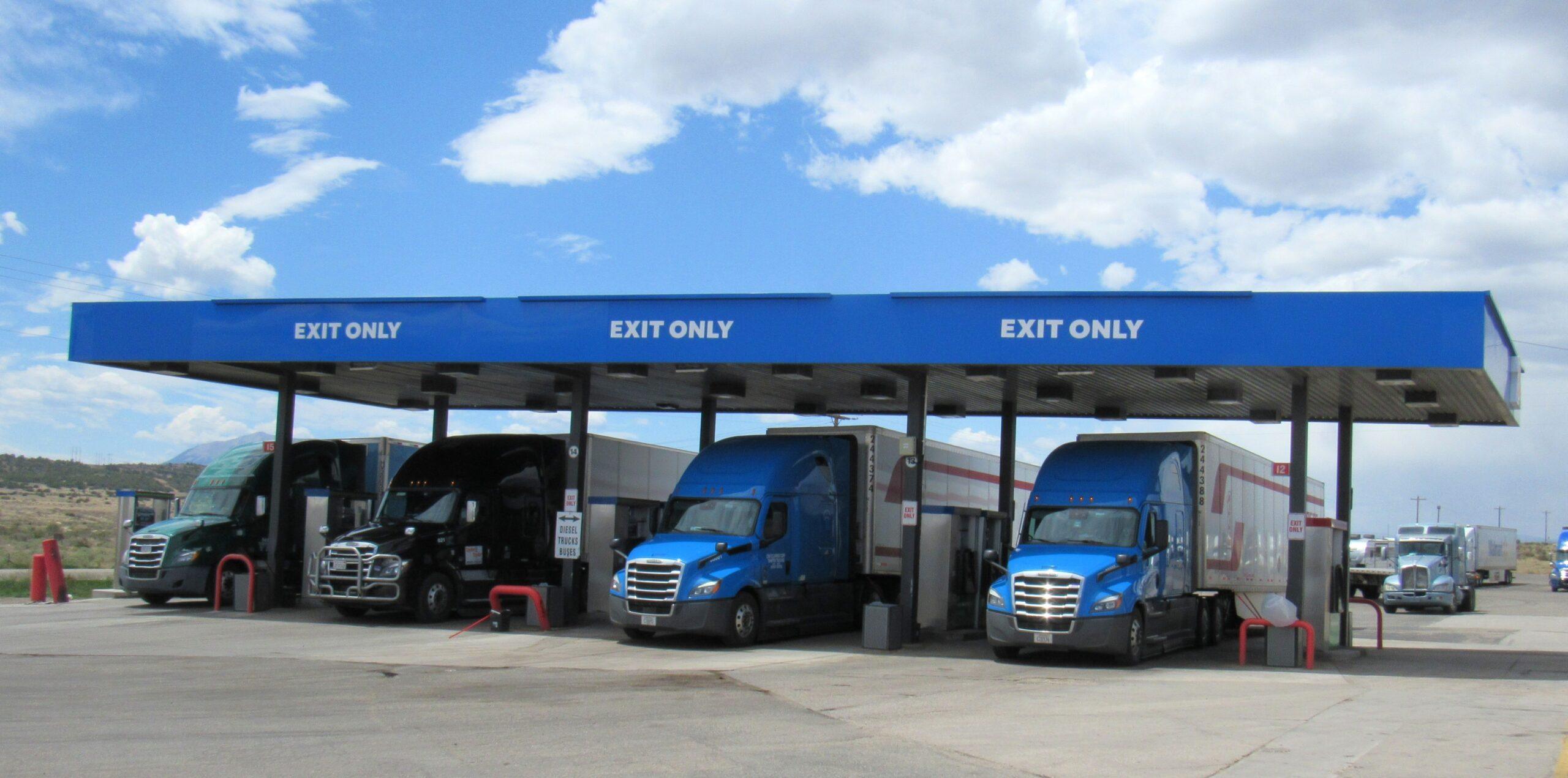
The U.S. trucking industry may be showing signs of coming out of a nearly four year long freight recession, as spot rates remain elevated, especially through the East Coast and in the Midwest, after disruptions caused by storms at the beginning of this year.
Now lending support to rates is the uncertainty tied to the war in the Middle East and the resulting surge in fuel prices.
The average price for a gallon of diesel fuel rose 96 cents for the week ending March 9, according to the U.S. Energy Information Administration. That is the biggest seven day spike since 1994, topping the previous record of a 75 cent increase in March 2022.
Stay connected with the latest from OCEANAIR. Sign up for our newsletter to receive The OCEANAIR Current, The Monthly Horizon, and OCEANAIR Tariff Talk — delivered straight to your inbox.