

FEBRUARY 19, 2026


Applied Materials reached a settlement to pay $252 million for illegally exporting semiconductor equipment to SMIC, a Chinese chipmaker. This penalty represents the maximum allowed and is the second largest export violation fine in the history of the Bureau of Industry and Security. Across more than 56 transactions between 2020 and 2023, Applied Materials failed to obtain the required export licenses. The company allegedly sought to evade U.S. export law by shipping ion implanters, an essential tool in semiconductor production, to Korea first, concealing their ultimate destination. SMIC has been on the Entity List since 2020 due to its ties to the Chinese military.

Severe snowstorms across Europe, combined with strike action by pilots and cabin crew at Lufthansa, have caused widespread disruption to the continent’s air transport network. Heavy snowfall, freezing temperatures, and persistent ice accumulation have forced airports to scale back operations, while industrial action has further reduced available flight capacity. Major European hubs, including Amsterdam Airport Schiphol, Paris Charles de Gaulle Airport, London Heathrow Airport, Frankfurt Airport, and Munich Airport, have been heavily impacted.
Airlines are now working to clear backlogs. The disruption has strained air cargo operations, with capacity sharply reduced and available space tightening across key European trade lanes. As a result, air freight rates are rising, and shippers should anticipate delays. The adverse weather conditions have not been limited to air transport. Ocean freight operations have also been affected, with vessel arrivals and departures delayed due to terminal closures and hazardous sailing conditions. Inland transportation networks are experiencing similar challenges, as snow covered roads and icy conditions disrupt normal operations.
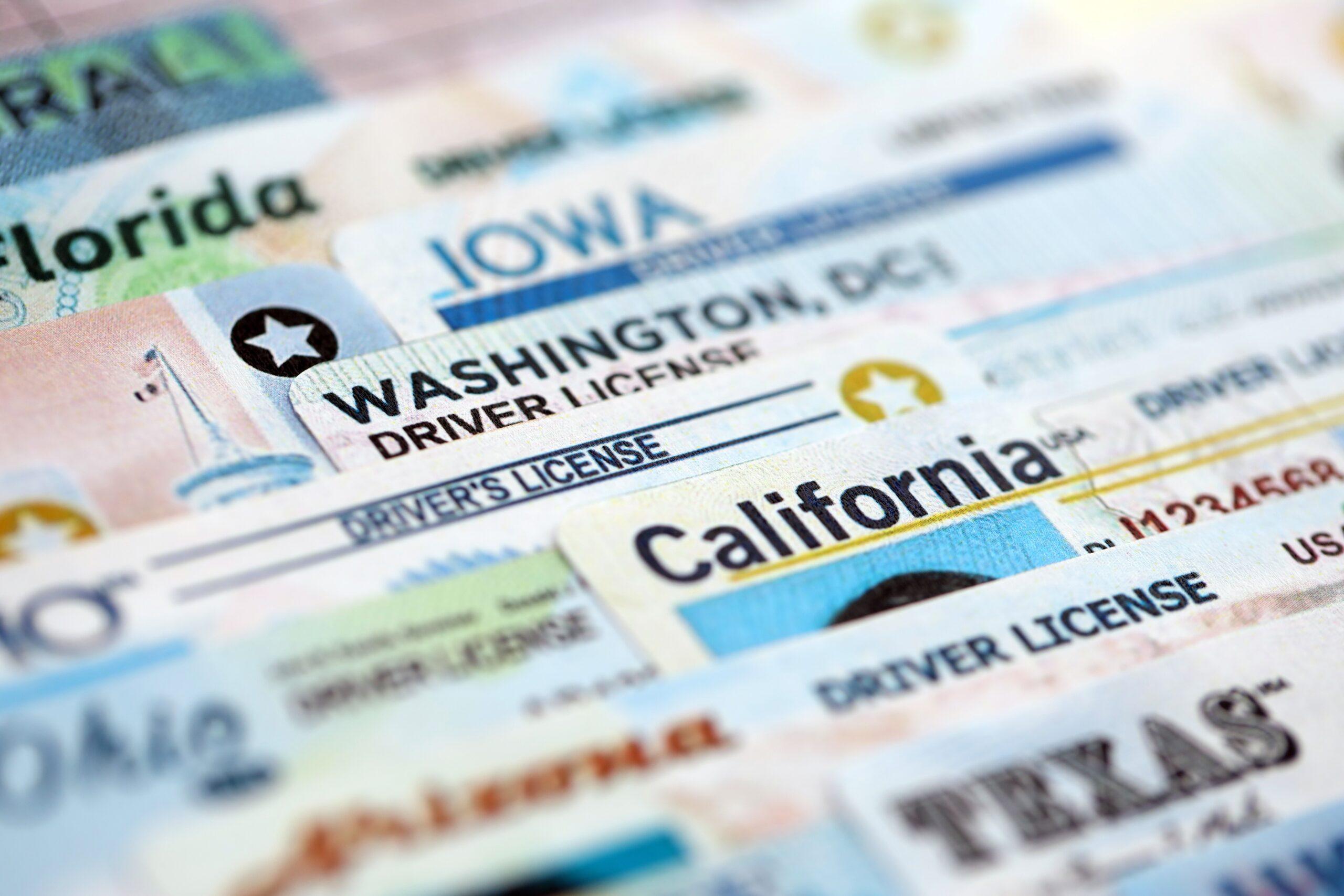
The Federal Motor Carrier Safety Administration has released its final rule on non domiciled commercial driver’s licenses, a move that has split the trucking industry over its potential impact on capacity and pricing.
The rule, released on 2/11/26, would limit future CDL eligibility to foreign nationals who hold H 2A, H 2B, or E 2 nonimmigrant status. It would exclude other immigrants in the U.S. on H 1B visas, as well as asylum seekers, those here under temporary protected status, and individuals covered by the Deferred Action for Childhood Arrivals from Canada or Mexico program.
The Interim Final Rule would also require state agencies to check all applicants against federal databases to verify immigration status and to conduct in person renewals every year. It also eliminates an employment authorization document as valid proof of lawful presence in the U.S.
The rule is forward looking and does not apply retroactively to existing licenses on day one.
Stay connected with the latest from OCEANAIR. Sign up for our newsletter to receive The OCEANAIR Current, The Monthly Horizon, and OCEANAIR Tariff Talk — delivered straight to your inbox.