

SEPTEMBER 18, 2025

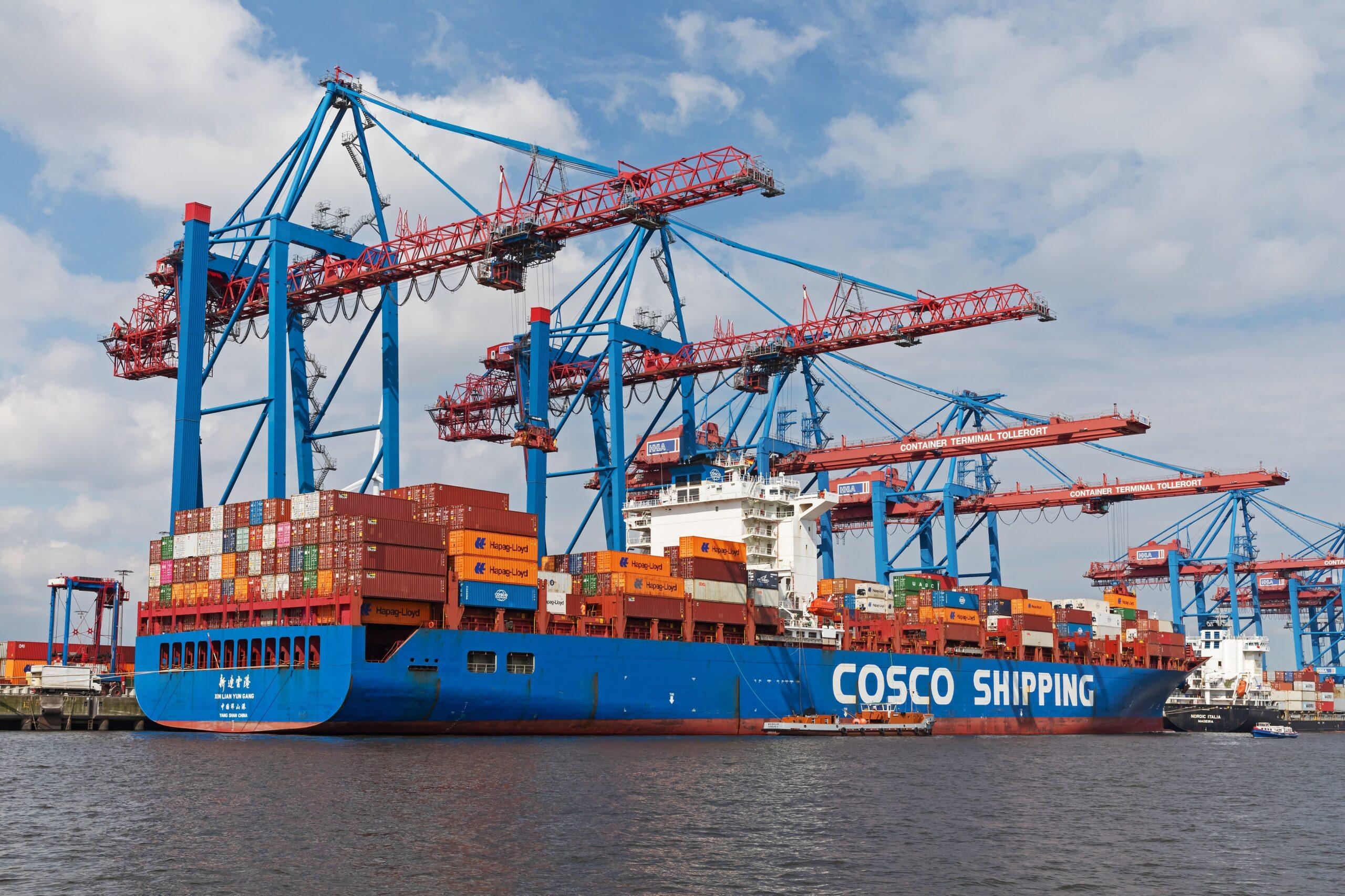
In response to the U.S. Trade Representative’s (USTR) new fees on Chinese-built and operated vessels effective October 14th, ocean freight carriers are implementing a variety of strategies to mitigate the financial impact. Non-Chinese carriers like Maersk and Hapag-Lloyd are reconfiguring their networks to swap out Chinese-built vessels on transpacific routes with non-Chinese ones. Similarly, members of the Ocean Alliance, such as CMA CGM and Evergreen, may deploy more of their non-Chinese-built ships on U.S.-bound routes to minimize fees. While most non-Chinese ocean freight carriers are reconfiguring their fleets to avoid fees, Chinese state-owned COSCO Shipping and its subsidiary OOCL cannot avoid the fees because they apply to all Chinese-operated vessels, regardless of where they were built. However, COSCO has announced it will maintain its current U.S. operations. The fees, which begin at $50 per net ton and will rise to $140 by 2028, are expected to cost COSCO and OOCL a combined $2.1 billion by 2026. Rather than reducing services or increasing rates, COSCO plans to absorb the substantial costs to retain its market share in the transpacific trade, potentially with support from the Chinese government. The company may also leverage its Ocean Alliance partners, CMA CGM and Evergreen, to use their non-Chinese-built ships for U.S. routes, allowing COSCO to deploy its fleet on other trade lanes.
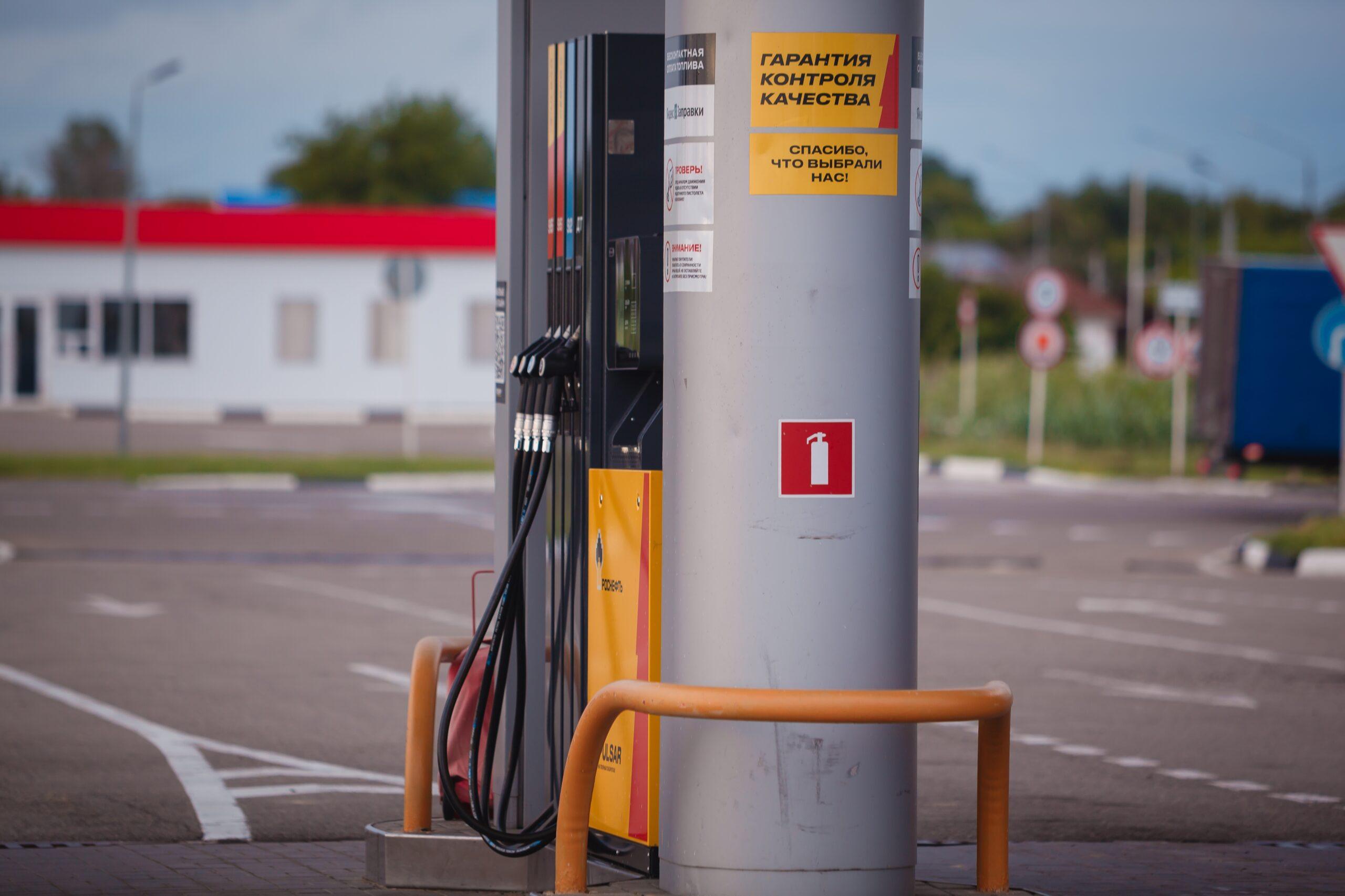
With the Russian oil tariff now in effect for imports from India, the Trump Administration is increasing its call to boycott Russian oil, urging European Union countries to join. The belief is that such a boycott will serve as an economic sanction against Russia. The White House has been pressing NATO allies for Russian sanctions and remains committed to additional measures as well.
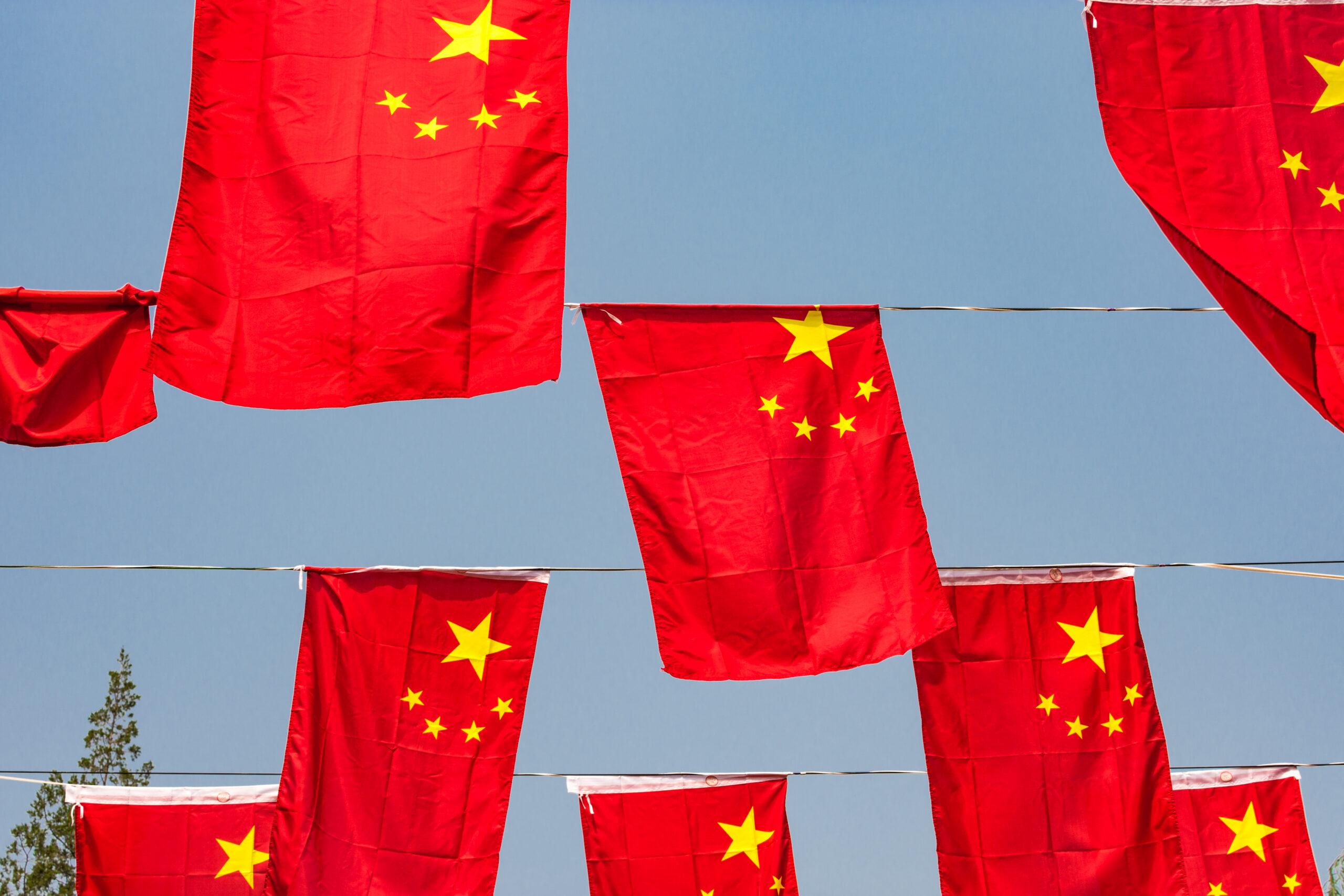
Carriers have announced blank sailings ahead of China’s October National Holiday, leading to tighter space as the month progresses, though rate increases for the second half of the month have not been implemented. While demand is expected to rise slightly later in the month rushing to book before the holiday, by the end of September, space may be limited. Premier Alliance members O.N.E., Yang Ming Line, and HMM have suspended the PS-5 service from North and Central China to Long Beach and Oakland.

U.S. truck pricing rose in August despite carriers describing the market as still fragile, signaling that suppliers are recalibrating both current capacity and future demand.
The total cost of full truckload (FTL) and less-than-truckload (LTL) services climbed from July, according to producer price indexes (PPIs) released Wednesday by the U.S. Bureau of Labor Statistics (BLS).
Truckload rates, measured by the long-distance PPI, rose nearly 2% in August—the sharpest monthly increase since December 2024—though still below August 2024 levels.
Stay connected with the latest from OCEANAIR. Sign up for our newsletter to receive The OCEANAIR Current, The Monthly Horizon, and OCEANAIR Tariff Talk — delivered straight to your inbox.