

AUGUST 22, 2026

Adaptability is one of OCEANAIR’s core values, and this has truly been the year of adaptability—more so than during the COVID years, and more than at any point in past decades. Companies engaged in international trade, especially those importing into the U.S., have experienced more change this year than ever before. Rules, regulations, and tariffs are shifting rapidly with little notice and no time for planning, making adaptability essential to moving forward. As these changes unfold, OCEANAIR will continue to keep our customers informed and explain how they may be affected.
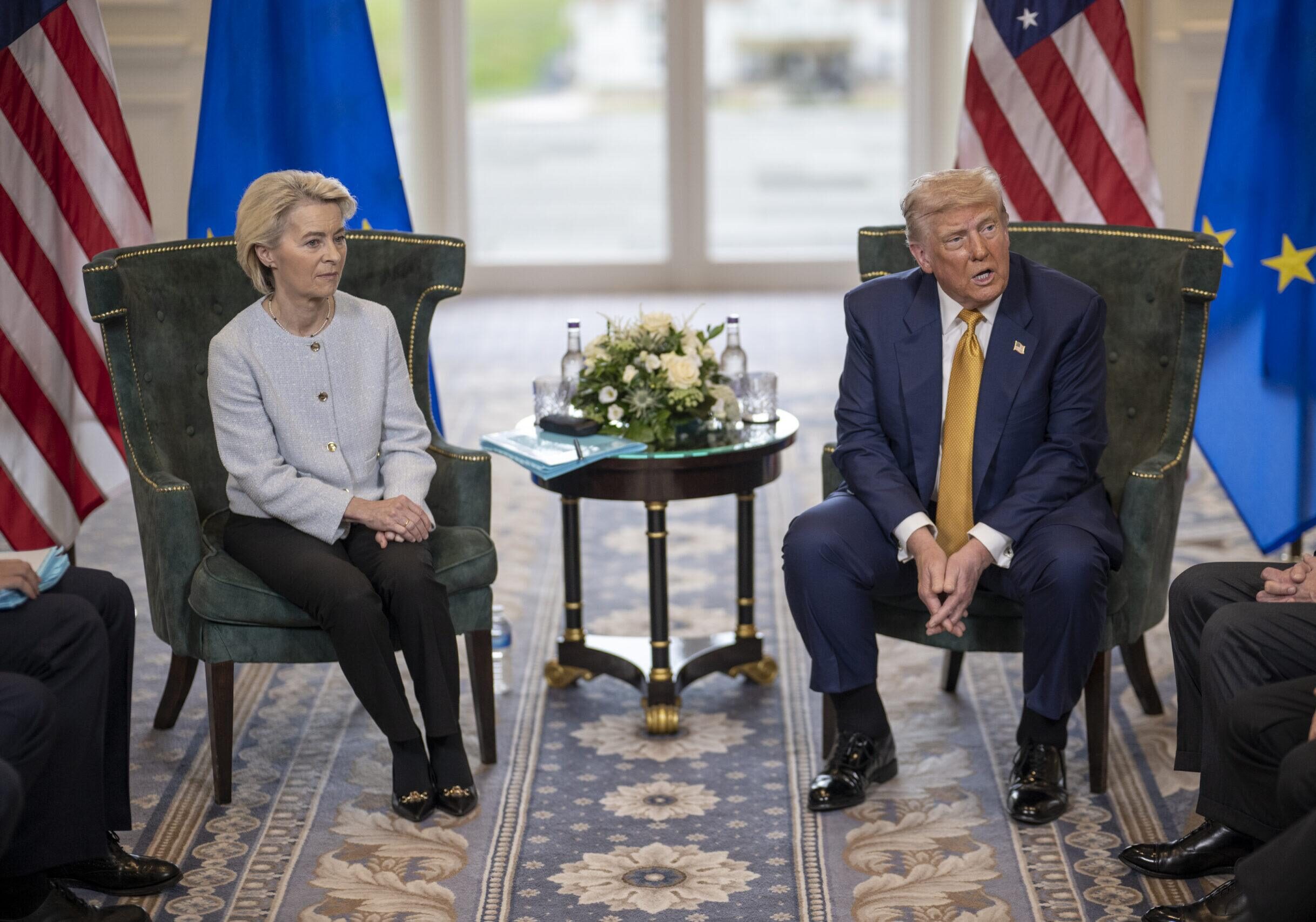
This week, the U.S. and the EU announced that they have agreed on a Framework for an Agreement on Reciprocal, Fair, and Balanced Trade. Many of the framework’s details are outlined in the White House press release. However, official start dates for many of these updates have not yet been announced. Once they are finalized, we will share updates.
The early-month changes to reciprocal tariffs have taken a back seat to the expansion of Section 232 tariffs, with 400+ HTS codes added to the current steel and aluminum lists, along with 75+ new copper items. What stood out for trade was how many additions to steel and aluminum focused on packaging—whether it’s the steel can holding imported paint or the aluminum foil closure on a health supplement.
The additions to steel target finished items rather than raw or semi-finished products (chapter 73 or 74 items). This week alone, paints, hair dyes, and a wide range of chemicals and supplements have become subject to these tariffs. This came as a shock to the haircare industry, as companies and chemical suppliers scramble to gather data on content from manufacturers—many of whom are on summer holiday. While these changes did go through public comment, the speed of implementation caught many in trade off guard. Industrial goods were also pulled into the steel tariffs, including heavy equipment (bulldozers, harvesters, rolling stock, and road rollers) and power equipment such as transformers.
With the June change adding reciprocal tariffs to non-metal content, importers must quickly respond with accurate data on even minor content to avoid significant tariffs on the full value of their goods. Because all recent changes involve derivative tariffs, the level of detail required from suppliers, importers, and customs brokers continues to rise. Each tariff now demands multiple entry lines and the addition of numerous tariff numbers (99xx) to filings.
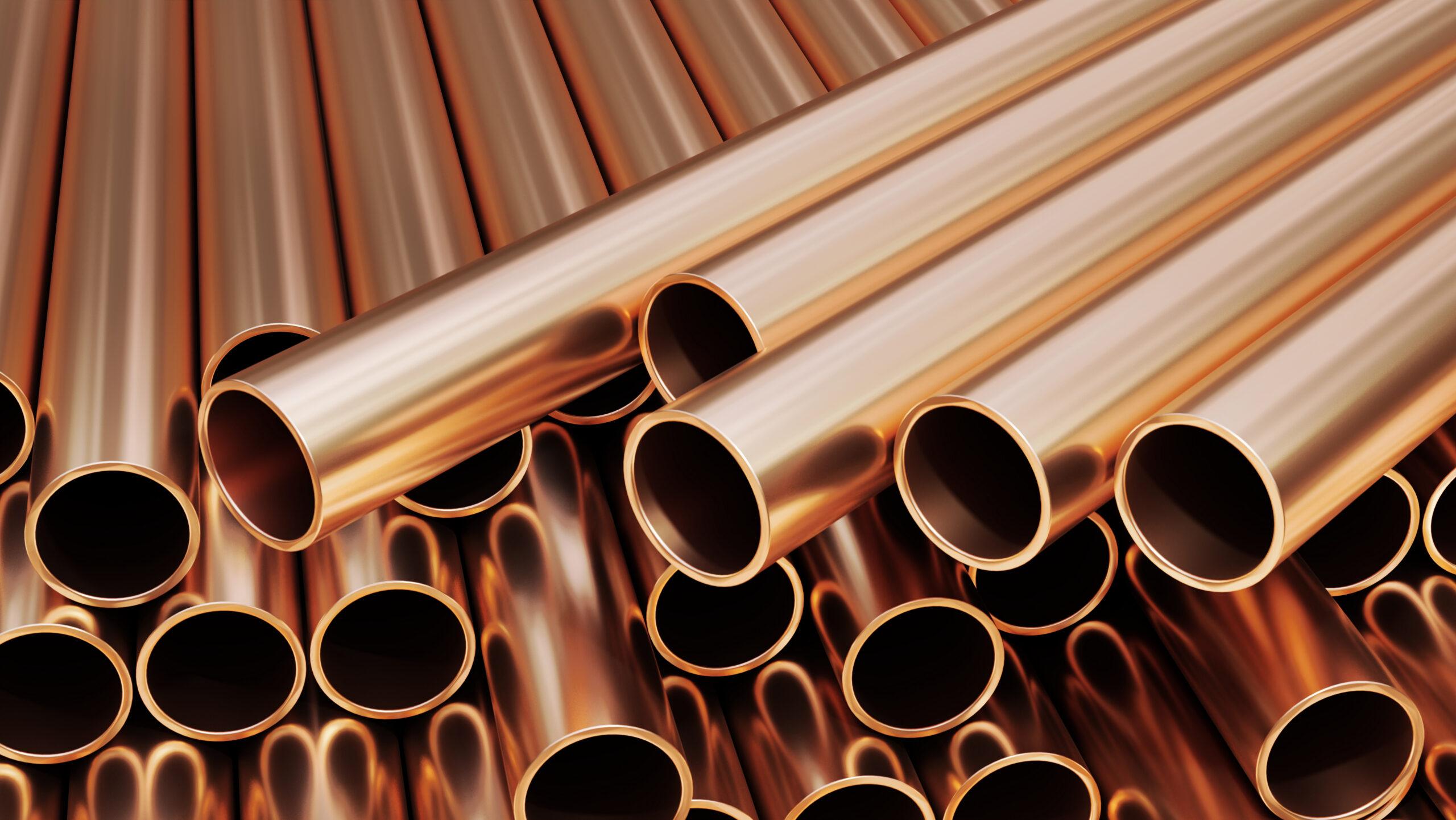
The new 50% copper tariff applies not only to raw materials such as powder, flake, sheets, and profiles, but also to more advanced products like wire, pipes, fittings, kitchenware, and household items, as well as the copper components of cables. Many of those same cables are also flagged under aluminum tariffs, meaning a 50% (25% for UK) duty applies to all copper and aluminum components as 232 tariffs stack (with the exception of aircraft).
For those processing copper entries, another change is the use of two HTS codes. Unlike steel and aluminum, which are reported under one HTS code, copper now requires one HTS for copper itself and another for other content and costs. With these additions, the trade community will gain deeper insight into their product materials and costs as they prepare for the possibility of another round of Section 232 tariffs in the final quarter of the year.
Stay connected with the latest from OCEANAIR. Sign up for our newsletter to receive The OCEANAIR Current, The Monthly Horizon, and OCEANAIR Tariff Talk — delivered straight to your inbox.